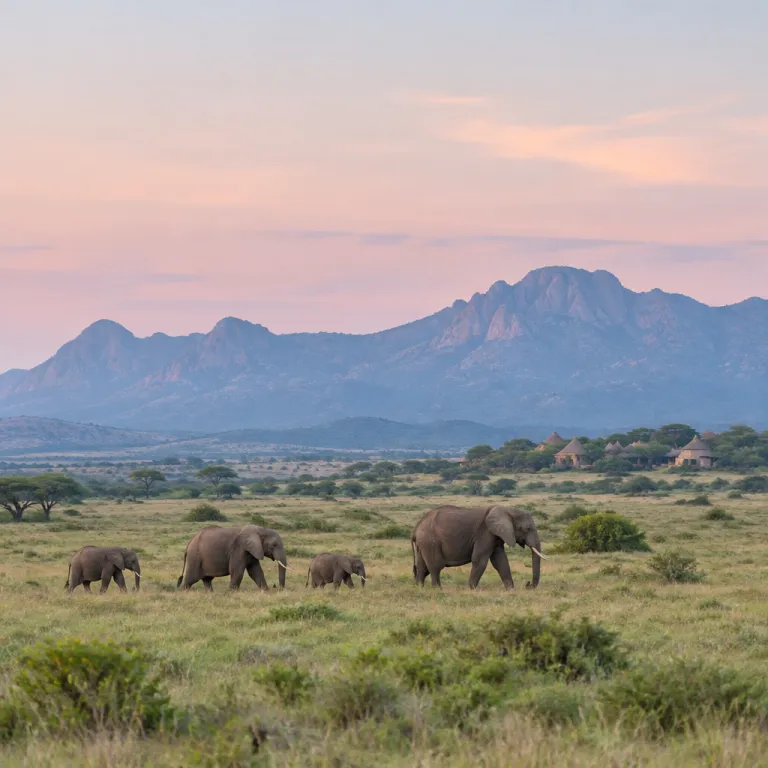
In the far north east of Uganda, Kidepo Valley National Park offers one of Africa’s most remote luxury nature retreats. This park in Kaabong District within the Karamoja region combines dramatic valley landscapes with refined safari hospitality, ideal for discerning travellers. The protected area covers about 1,442 km² of rugged savannah and montane terrain, where every stay can balance comfort, conservation and authentic cultural encounters, according to Uganda Wildlife Authority (UWA) figures.
The heart of the experience lies in the twin systems of the Narus Valley and the wider Kidepo Valley, each shaped by seasonal rivers and sweeping plains. During the long dry season, remnant pools in the Narus Valley attract dense concentrations of wildlife, making this valley setting perfect for premium game safaris. Luxury lodges and upmarket tented camps position guests close to prime wildlife viewing areas, while still respecting park management rules and Uganda Wildlife Authority guidelines on vehicle density and off-road driving.
For travellers comparing national parks in Uganda, Kidepo stands apart through its sense of isolation and exclusivity. Visitor numbers remain relatively low compared with Murchison Falls or other flagship reserves, which enhances the feeling of a private wildlife sanctuary. This remoteness allows planners and the Uganda Wildlife Authority to prioritise rigorous conservation standards and careful park management over mass tourism, while still enabling a small number of high-end properties such as Apoka Safari Lodge and Adere Safari Lodge to operate sustainably.
The park’s semi-arid character defines both the wildlife experience and the style of luxury accommodation. In this remote region of Uganda, the dry season from roughly September to March offers the clearest game viewing, especially in the Narus Valley. High-end lodges design their services around this dry-season rhythm, timing guided game drives and walking safaris to coincide with the best light and the most active wildlife, and adjusting activities when short rains briefly green the plains.
Within the protected area, dozens of large mammal species and hundreds of bird species have been recorded, giving Kidepo a remarkable diversity for such a semi-arid landscape. Guests on safari can encounter classic African game such as lions, elephants and buffalo, alongside rarer species adapted to the Karamoja region, including cheetah and ostrich, as noted in UWA species lists. Current Uganda Wildlife Authority information does not confirm white rhinos in Kidepo, so travellers should check the latest updates rather than assuming a full Big Five experience or relying on outdated brochures.
Luxury travellers often focus on the Narus Valley for its reliable water sources and open plains. Here, guided game safaris by experienced ranger teams from the Uganda Wildlife Authority offer structured, safe encounters with wildlife, while still feeling intimate and unhurried. Many premium properties provide private vehicles and dedicated ranger guides, ensuring each safari or game drive is tailored to personal interests, from big cats and large herds to specific bird species such as kori bustards and secretary birds.
Beyond the Narus Valley, the broader Kidepo Valley stretches towards the borders with South Sudan and Kenya, creating a vast sense of space. This landscape is more remote and less visited, which appeals to travellers seeking solitude and a deeper connection with Africa’s wild north east. Carefully managed excursions into this part of the wilderness highlight the balance between adventure, safety and conservation, with guides monitoring weather, river levels and wildlife movements before entering more isolated sections.
The cultural context of the Karamoja region adds another layer of richness to any luxury stay. The Karamojong people, traditional pastoralists living around the park, maintain a strong connection to cattle and seasonal movement across the valley landscapes. Responsible travel operators work with these communities to design visits that respect local customs, support livelihoods and align with Uganda Wildlife Authority community tourism policies, often including craft cooperatives, livestock stories and music performances.
On the slopes of Mount Morungole, within the wider landscape, the Ik people represent another important community linked to the park. Carefully curated cultural experiences can be arranged through approved travel partners, ensuring that visits benefit these communities and reinforce wildlife conservation goals. Luxury and premium lodges increasingly integrate such community visits into multi-day safaris, giving guests a more complete understanding of life in this remote region of Uganda and the pressures facing both people and wildlife.
For travellers planning a high-end trip, access logistics are a key consideration when choosing Kidepo experiences. The park lies in a remote corner of Kaabong District, and overland travel can take a full day or more from central Uganda. Many luxury guests therefore opt for charter flights directly to Kidepo airstrip inside the park, a gravel runway used by domestic charter companies and scheduled light aircraft, which reduces travel time and allows more hours for game drives and relaxation.
Once in the park, the climate and altitude range, from roughly 900 m on the valley floor to over 2,700 m on surrounding peaks such as Mount Morungole, shape both comfort and activity planning. Even in the dry season, nights in the valleys can be surprisingly cool, so premium lodges provide warm bedding, hot water bottles and thoughtful in-room amenities. During the day, temperatures can rise quickly across the open plains, so guides schedule game safaris for early morning and late afternoon, when wildlife is most active and light conditions are favourable.
Luxury accommodation options in Kidepo Valley National Park typically blend natural materials with contemporary comfort. Many properties are set on ridges overlooking the Narus Valley or the wider Kidepo basin, offering sweeping views of the wildlife below. Design choices often reflect both East Africa’s safari heritage and the cultural motifs of the Karamoja region, creating a sense of place that feels authentic rather than generic, with stone, canvas and local textiles used throughout.
Service standards in these lodges aim to match or exceed those in more established national parks closer to Kampala. Guests can expect refined dining, curated wine lists and personalised activity planning, all coordinated with park regulations and Uganda Wildlife Authority guidelines. Some properties also offer spa treatments, yoga decks or private plunge pools, allowing guests to unwind between game drives while still feeling connected to the valley landscape and its changing light.
From a conservation perspective, choosing a luxury stay in this remote Ugandan park can directly support national and global biodiversity objectives. Park management and the Uganda Wildlife Authority rely on tourism revenue to fund ranger patrols, anti-poaching operations and habitat restoration across the protected area. By staying in lodges that partner closely with the wildlife authority and local communities, travellers help secure the future of both wildlife and human communities in the Karamoja region, reinforcing the park’s role in Uganda’s wider protected area network.
Many high-end operators now emphasise low-impact design and operations in this sensitive wildlife reserve. Solar power, careful water use and waste reduction are increasingly standard, reflecting a broader shift towards sustainable travel in Africa’s national parks. Guests can ask detailed questions about each property’s environmental practices, ensuring that their chosen retreat aligns with personal values around conservation and wildlife protection, and favouring operators that publish basic sustainability metrics.
Safety and guiding standards are another crucial element when evaluating luxury options in Kidepo. Uganda Wildlife Authority ranger teams receive specialised training in both animal behaviour and visitor safety, and they work closely with lodge guides to coordinate game activities. This collaboration between rangers, lodge staff and park management ensures that guests can enjoy close wildlife encounters without compromising safety or conservation priorities, and that emergency protocols are clearly understood.
For photographers, the combination of open plains, dramatic hills and changing light across the valleys is particularly appealing. Early morning mists in the Narus basin, followed by golden evening light over the Kidepo Valley, create ideal conditions for capturing Africa’s wildlife in its natural habitat. Many lodges cater to photographers with flexible meal times, private vehicles and guides experienced in positioning for the best shots without disturbing animals or blocking other vehicles.
It is also possible to integrate Kidepo stays into wider itineraries that include other Ugandan highlights. Travellers often combine time in this remote park with visits to Murchison Falls National Park, where the Nile plunges through a narrow gorge, creating a very different safari experience. This contrast between the semi-arid Karamoja region and the lush riverine landscapes around the falls showcases the diversity of Uganda’s wildlife and protected areas within a single journey, especially for first-time visitors.
When planning such multi-park safaris, it is important to consider travel time, especially if moving between Kidepo Valley National Park and Murchison Falls by road. Charter flights can significantly reduce transit time, allowing more days for game viewing and relaxation in each reserve. Luxury travel planners and specialist operators can advise on the most efficient routing, always in coordination with Uganda Wildlife Authority regulations and park management schedules for airstrips and gate opening hours.
Another dimension of the luxury experience here lies in the sense of narrative that unfolds over several days. Guests may start with classic game drives in the Narus Valley, then progress to more exploratory excursions into the Kidepo Valley and surrounding hills. Along the way, conversations with rangers, community guides and lodge staff deepen understanding of how conservation, culture and travel intersect in this unique wildlife reserve, turning a holiday into a more reflective journey.
For those particularly interested in conservation, some lodges and operators can arrange behind-the-scenes experiences with Uganda Wildlife Authority teams. These may include discussions about anti-poaching strategies, wildlife monitoring or broader international partnerships that support the park. Such encounters reinforce the idea that a stay in this remote corner of Uganda is not only a holiday, but also a contribution to long-term protection of species and habitats, in line with IUCN protected area categories.
Families considering a premium stay in Kidepo Valley National Park will find that many lodges welcome children, with age-appropriate activities and flexible meal times. Shorter game drives, guided nature walks near the lodge and storytelling sessions about Africa’s wildlife can keep younger travellers engaged. Parents should discuss specific needs with their travel planner, ensuring that both lodge facilities and park guidelines align with family expectations, especially regarding minimum ages for certain activities.
Couples seeking privacy and romance can choose properties that offer secluded suites or tents overlooking the valleys. Private dinners under the stars, exclusive use of vehicles for game drives and personalised itineraries create a sense of intimacy within the vastness of the protected area. The combination of dramatic landscapes, abundant wildlife and attentive service makes this Ugandan safari destination particularly appealing for special occasions such as honeymoons and anniversaries.
Solo travellers and small groups interested in deeper learning may prefer lodges that emphasise guiding expertise and educational content. Detailed briefings on Uganda’s ecology, the history of the Karamoja region and the evolution of national parks in East Africa can enrich each safari. These properties often attract guests who value conversation, shared experiences and a strong connection to conservation work in the wildlife reserve, including informal talks with researchers when available.
When evaluating different luxury and premium options online, travellers should look beyond images and focus on substance. Key indicators include formal partnerships with the Uganda Wildlife Authority, clear commitments to conservation and evidence of meaningful engagement with local communities. Reviews that highlight guiding quality, respect for wildlife and adherence to park rules are particularly relevant in this sensitive protected area, as are mentions of fair employment practices and community projects.
Pricing for high-end stays in Kidepo Valley National Park typically reflects the logistical complexity of operating in such a remote setting. Rates often include full board, scheduled game drives, ranger fees and sometimes charter flights, which simplifies planning for guests. While costs can be higher than in more accessible national parks, many travellers find that the exclusivity, wildlife density and cultural depth justify the investment, especially when compared with similarly remote parks elsewhere in East Africa.
To maximise value, it is advisable to spend at least three nights in the park, especially during the dry season when wildlife viewing is at its best. This allows time to explore both the Narus Valley and parts of the Kidepo Valley, as well as to engage with nearby communities in the Karamoja region. Longer stays also reduce the environmental impact per day of travel, aligning personal choices with broader conservation goals and giving wildlife more time to reveal itself naturally.
In practical terms, packing for this journey requires attention to both comfort and respect for the environment. Neutral-coloured clothing, layers for cool mornings and evenings, and sun protection are essential for game drives. Guests should also bring reusable water bottles and avoid single-use plastics, supporting lodge efforts to minimise waste within the protected area and reducing the volume of rubbish that must be transported out of this remote park.
Finally, travellers should approach Kidepo experiences with a mindset of flexibility and respect. Wildlife sightings can never be guaranteed, and park management may adjust access to certain areas to protect sensitive species or habitats. By trusting ranger guidance, valuing the expertise of Uganda Wildlife Authority staff and engaging thoughtfully with local communities, guests help ensure that this remarkable wildlife reserve remains a sanctuary for both nature and people, and that luxury tourism continues to reinforce rather than undermine conservation.
Useful references for further planning
- Uganda Wildlife Authority – official information on Kidepo Valley National Park and other national parks in Uganda, including park size, species lists and current regulations
- Uganda Tourism Board – practical travel guidance for the Karamoja region and wider safari circuits, with updates on access routes and domestic flights
- International Union for Conservation of Nature (IUCN) – background on protected area management and global conservation standards relevant to national parks in Uganda