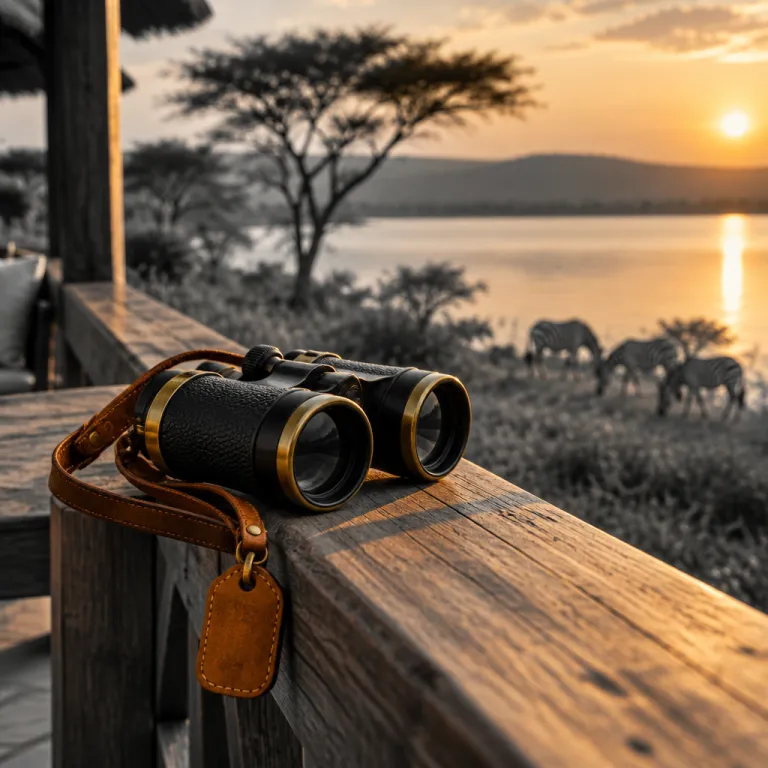
Lake Mburo national park Uganda as a refined nature retreat
Lake Mburo National Park in Uganda sits in the rolling hills of the Kiruhura District, between Kampala and the western national parks. This compact protected area covers about 260 square kilometres of acacia woodland, open savannah and five interlinked lakes that create an intimate setting for high-end nature retreats.[1] For travellers who value privacy, the park offers a rare blend of soft adventure, refined comfort and close wildlife encounters in a calm African landscape that still reflects traditional land use.
The park is the closest savannah national park to Kampala, which makes a visit easy to combine with a wider Uganda national safari itinerary. Driving from the capital usually takes four to five hours, and the route crosses classic Ankole cattle land where long-horned herds graze beside zebras on the same open areas. Many people choose to visit Lake Mburo at the start or end of their safaris, using the quiet park lake shores as a gentle transition between city life and the African bush and as a first introduction to Uganda wildlife.
Unlike some larger national parks in Uganda, this area has no elephants, so the Uganda Wildlife Authority allows guided walking safaris and mountain biking in selected zones.[1] That policy transforms the safari experience, because you can step out of the vehicle and feel the land under your feet while still respecting the rules of a protected area. For luxury travellers, this creates space for slower, more sensory safaris that pair well with spa treatments, gourmet dining and unhurried evenings beside the lakes, listening to birds and other night sounds.
Luxury lodges and wellness focused stays around the lakes
High-end lodges around Lake Mburo National Park Uganda are typically set on ridges or along the lake shore, with wide views over the park. Many suites are designed as stand-alone cottages, giving people private terraces that look across the lakes and the Mburo savannah. From these elevated positions, guests often watch wildlife move between the water and the surrounding land throughout the day, turning the park into a living panorama of Uganda wildlife and cattle country.
Most luxury properties in this part of Uganda now integrate wellness into their core offering, which suits travellers arriving from long-haul flights into Kampala. You will find infinity pools facing the lake, open-air massage salas and yoga decks where birds provide the soundtrack for sunrise sessions. For travellers planning a broader wellness journey that includes gorilla regions such as Bwindi Impenetrable, it is worth considering how time at Lake Mburo can balance more demanding trekking days with restorative lakeside safaris and slower game drives.
Dining in these lodges often highlights fresh produce from nearby farms in the Kiruhura District, with menus that respect both local flavours and international expectations. Chefs design multi-course dinners that pair well with South African wines, while still featuring ingredients such as local beef from Ankole cattle and tilapia from the lakes. After dinner, many guests sit around a fire pit overlooking the park lake, listening to night sounds and planning the next day of game drives, guided walks and boat safaris that explore different areas of the national park.
Designing a premium safari experience in a compact national park
Because Lake Mburo National Park Uganda is relatively small compared with other national parks, it lends itself to highly curated safaris. Private game drives can cover the main wildlife areas in half a day, leaving time for horseback safaris, boat trips on the lake and unhurried afternoons at the lodge. This rhythm suits luxury travellers who prefer depth over speed and who want to feel the character of a single protected area rather than rush between distant parks across western Uganda.
Game drives in this national park focus on plains wildlife rather than the full Big Five, with regular sightings of zebra, impala, eland and other species that thrive in the dry seasons. The park offers a good chance to see Rothschild’s giraffe, which were translocated here by the Uganda Wildlife Authority to strengthen the Uganda wildlife population and diversify species in the area.[1] Bird species are another highlight, with more than 300 recorded bird species including African finfoot, papyrus gonolek and a variety of raptors that patrol the open areas and lakeshores, making the park one of Uganda’s rewarding birding areas.[1]
Many travellers combine a visit to Lake Mburo with time in Queen Elizabeth and Bwindi Impenetrable National Parks, creating a varied Uganda national safari experience. Those interested in tree-climbing lions and more expansive savannah landscapes often study sector guides to Queen Elizabeth’s southern plains before finalising their route. When planned carefully, this combination allows people to enjoy gentle walking safaris at Lake Mburo, classic game drives in larger parks and then finish with gorilla tracking in Bwindi Impenetrable, all while staying in premium lodges that match in style and service across the different areas.
Seasonality, climate and the best time to visit Lake Mburo
Seasonal patterns matter when planning a luxury stay in Lake Mburo National Park Uganda, because they shape both wildlife viewing and lodge ambience. The dry seasons, which typically include the June–August period and a shorter dry window later in the year, concentrate wildlife around the lakes and waterholes.[1] During these months, game drives often feel more productive, and the park offers clearer views across the open land and open savannah, with animals gathering near the park lake and other permanent water sources.
In the wetter months outside the June–August stretch, the area turns a vivid green and the lakes fill, creating a softer atmosphere that some people find more relaxing. Bird species diversity is particularly striking after rains, when migratory birds join the resident birds and the Uganda wildlife soundscape becomes richer. Luxury lodges remain open year-round, but some may adjust activities in certain areas of the park if tracks become muddy or if specific sections of the protected area are temporarily closed for conservation work by the Uganda Wildlife Authority.
Temperature ranges are generally mild compared with hotter lowland parks, which makes this national park comfortable for walking safaris and horseback rides. Early mornings can be cool on the park lake, so lodges often provide blankets and hot drinks during boat safaris. When planning a visit Lake Mburo stay, it is wise to discuss your preferred safari experience with your booking consultant, who can match your expectations with the most suitable season and lodge location within the wider park Uganda landscape and surrounding community areas.
From Kampala to Kiruhura District: logistics for premium travellers
Reaching Lake Mburo National Park Uganda from Kampala is straightforward, which adds to its appeal for high-end short breaks. The main road west passes through Masaka and continues toward Mbarara, with a clearly signposted turnoff into the park near the Kiruhura District boundary. Private transfers in air-conditioned 4x4 vehicles are standard for luxury bookings, and some operators arrange helicopter charters that land near selected lodges inside the protected area.
Many people choose to stop at the equator line monument on the way from Kampala, turning the transfer into a gentle introduction to the Uganda national landscape. As you approach the park, the land opens into classic cattle country, with Ankole cattle grazing alongside zebras and impala in shared areas outside the formal park boundary. This coexistence between cattle and wildlife reflects long-standing land use patterns in this area of Uganda, where communities, parks and tourism operators work together to protect key wildlife areas and maintain corridors between the lakes.
For travellers planning a longer circuit through western Uganda, Lake Mburo often serves as a first or final stop on a route that includes Queen Elizabeth, Bwindi Impenetrable and sometimes Kibale Forest National Parks. Those interested in refined stays near other parks can explore detailed guides to accommodation between the Rwenzori Mountains and Queen Elizabeth National Park to understand how different areas complement each other. Working with a specialist in Uganda wildlife safaris ensures that transfers, lodge standards and activity options align smoothly across all parks on your itinerary.
Conservation, culture and the character of the land
Lake Mburo National Park Uganda has a distinctive cultural and conservation story that shapes the experience for luxury guests. The park was gazetted as a protected area after periods of tension over land use, and its current boundaries reflect a balance between pastoral communities and wildlife conservation.[1] Today, the Uganda Wildlife Authority manages the national park in partnership with local people, who benefit from tourism revenue and employment in lodges and safari operations in the surrounding areas.
The surrounding land is home to Bahima pastoralists, whose Ankole cattle herds are an integral part of the cultural landscape. Many high-end lodges arrange visits to nearby homesteads, where guests can learn about traditional cattle management, milk processing and the deep relationship between people, cattle and land in this area. These visits are usually designed with sensitivity, ensuring that tourism supports rather than disrupts daily life, and that guests understand how national parks and community areas interconnect.
Conservation projects in and around the park focus on habitat restoration, anti-poaching patrols and monitoring of key wildlife species, including the translocated giraffes and important bird species. Some lodges contribute directly to these efforts through conservation fees, while others support education programmes in the Kiruhura District that explain the value of the park lake ecosystem to younger generations. When you choose a luxury property that is transparent about its conservation partnerships, your stay in Lake Mburo becomes part of a wider Uganda wildlife story that extends beyond the boundaries of a single park and links to other protected areas.
How to choose the right luxury lodge for your safari
Selecting the right lodge in Lake Mburo National Park Uganda depends on how you prefer to balance privacy, activities and views. Properties on higher ridges often provide sweeping panoramas over the lakes and savannah, while those closer to the park lake shore offer immediate access to boat safaris and waterside bird species. Some lodges specialise in active safaris with walking, cycling and horseback rides, whereas others focus on spa treatments, gourmet dining and tranquil spaces for rest between game drives.
When comparing options, consider how each park offers a different safari experience within the same Uganda national journey. Larger national parks may deliver denser wildlife sightings, but Lake Mburo excels at intimacy, flexibility and the chance to feel the land at a slower pace. If gorilla trekking in Bwindi Impenetrable is part of your plan, you might choose a lodge here that mirrors the comfort level of your forest property, so that the overall safari feels cohesive in both style and service.
It is also worth asking how each lodge engages with the Uganda Wildlife Authority and local communities in the Kiruhura District. Properties that support research on bird species, invest in training for local people and respect the rhythms of cattle herding in surrounding areas tend to create a more authentic connection to the park Uganda environment. By aligning your preferences with these practical and ethical considerations, you can ensure that your visit Lake Mburo stay delivers both a memorable safari and a positive impact on this remarkable African landscape.
Key figures for luxury travel around Lake Mburo
- Lake Mburo National Park covers about 260 square kilometres, making it one of the smallest savannah national parks in Uganda but also one of the most accessible from Kampala for short luxury safaris.[1]
- The park contains five main lakes, with Lake Mburo as the largest, and these lakes together support more than 300 recorded bird species according to Uganda Wildlife Authority monitoring data.[1]
- Driving time from Kampala to the main park gate typically ranges between four and five hours, which allows many premium travellers to arrive in time for an afternoon game drive on the same day.
- Dry seasons, including the June–August period, usually offer the highest wildlife densities near water sources, with some studies indicating up to double the visible plains game numbers around the lakes compared with wetter months.[1]
- Tourism revenue from Lake Mburo and other national parks contributes a significant share of Uganda’s travel and tourism GDP, which the World Travel & Tourism Council has estimated at more than 7% of national GDP in recent assessments.[2]
FAQ about luxury stays in Lake Mburo national park Uganda
Is Lake Mburo suitable for a first time safari experience ?
Lake Mburo National Park Uganda is very suitable for first-time safari travellers, especially those who prefer gentle activities and shorter drives. The compact protected area, absence of elephants and proximity to Kampala make logistics simple and allow for walking safaris under professional guidance. Many guests start their Uganda wildlife journey here before continuing to larger national parks for more intensive game drives.
What wildlife can I expect to see in Lake Mburo ?
Travellers can expect to see plains wildlife such as zebra, impala, eland, topi, buffalo and Rothschild’s giraffe, along with hippos and crocodiles in the lakes. Predators are present but less frequently seen than in some other parks, which reinforces the park’s reputation as a calm, low-pressure safari experience. Bird species diversity is a major highlight, with more than 300 recorded species including several sought-after African water and woodland birds.
How many nights should I spend in Lake Mburo on a luxury trip ?
For a premium itinerary, two to three nights in Lake Mburo National Park Uganda usually provides a good balance between activities and relaxation. This allows time for at least two game drives, a boat safari on the lake, one walking safari and unhurried hours at the lodge. Travellers combining the park with Bwindi Impenetrable or Queen Elizabeth often use Lake Mburo as either a soft landing at the start or a restorative final stop.
When is the best time to visit Lake Mburo for luxury safaris ?
The dry seasons, including the June–August period and a shorter dry window later in the year, are generally considered the best times for wildlife viewing and smooth game drives. During these months, animals concentrate around the lakes and tracks remain more accessible, which suits travellers who want predictable daily plans. That said, the greener months offer lush scenery, excellent birding and often more attractive rates at some high-end lodges.
Can Lake Mburo be combined with gorilla trekking and other parks ?
Lake Mburo National Park Uganda combines very well with gorilla trekking in Bwindi Impenetrable and classic safaris in Queen Elizabeth or other western national parks. Many itineraries start with Lake Mburo for a gentle introduction, continue to Queen Elizabeth for broader game drives and then finish with gorillas in Bwindi. Working with a specialist tour operator or a dedicated luxury booking platform helps ensure that transfers, lodge standards and activity pacing align smoothly across all areas.
Sources : [1]Uganda Wildlife Authority ; Uganda Ministry of Tourism, Wildlife and Antiquities. [2]World Travel & Tourism Council.