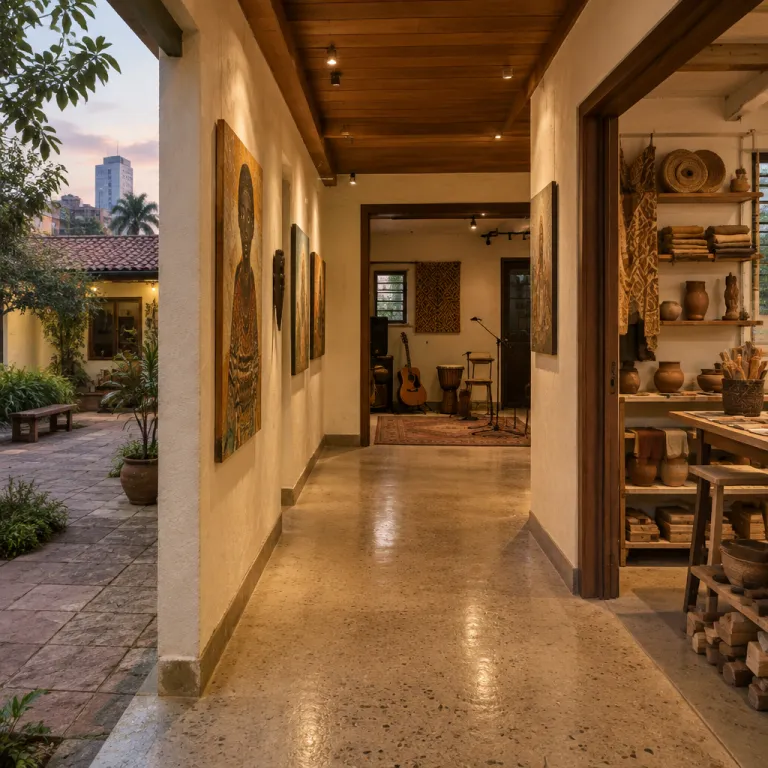
Why kampala art culture deserves one deliberate night
Kampala city is usually a blur between the airport and the savannah, yet kampala art culture rewards couples who pause for one carefully planned night. In a single day you can move from a quiet gallery in Nakasero to a raw makers’ warehouse in Bugolobi, then end with live music that folds Kampala Uganda stories into African contemporary soundscapes. That short layover becomes a textured experience of Uganda culture rather than a logistical stop.
For travelers using a luxury hotel booking website, the question is simple; will this city stay feel as curated as the safari lodges that follow? The answer in Kampala is yes, because the art culture here is not staged for tourists but shaped by Kampala public life, from traffic fumes in Industrial Area to the hills where children walk home from school. You are stepping into a living East Africa capital where contemporary art and heritage quietly share the same streets.
Most premium properties located in central Kampala now understand that couples want more than a pool and a skyline bar. Concierges can arrange private gallery visits within a few hours, pair you with a guide who knows every cultural centre, and time transfers so you still reach Entebbe airport without stress. When you start your Uganda national park journey with kampala art rather than a generic city tour, the rest of Africa feels more legible.
From kabaka mwanga to contemporary art: context for a cultural night
To feel kampala art culture properly, it helps to know why this hilltop city carries such layered stories. The precolonial kingdom of Buganda, ruled in the late nineteenth century by Kabaka Mwanga II, still shapes how Kampala Uganda understands power, faith and public memory. Under his reign, a group of Christian converts were executed between 1885 and 1887 for refusing to abandon their new religion and royal service choices, and these Uganda Martyrs are now commemorated at shrines, churches and in school lessons across the country.
That history sits just beneath the surface when you walk from a cultural centre in Mengo towards Bumu Art Gallery on Lubiri Ring Road. Curators there often weave culture art and ancestral craft into African contemporary abstraction, a reminder that Kampala city is not only chasing global trends but also reworking its own archive. Couples interested in deeper heritage can read more about how the Kingdom of Buganda still shapes daily life in this detailed piece on a Buganda heritage stay argument for solo travelers who came for more than the gorillas at Buganda’s living legacy in hospitality.
When you later stand in front of a contemporary art canvas that references martyrs who refused to renounce Christianity, or others portrayed as torn between older belief systems and new faiths, the symbolism lands differently. Kampala art becomes a conversation between past and present, not a decorative backdrop for hotel lobbies. A good guide or hotel cultural concierge will help your group connect these threads in a way that feels respectful and precise.
Galleries, arts hubs and the spine of kampala art culture
The most efficient way to map kampala art culture is to treat the city as a loose triangle of galleries, creative hubs and cultural centres. Start your late afternoon in Industrial Area at Afriart Gallery, a leading space for African contemporary work that anchors much of the kampala art scene. Here, Kampala public audiences mingle with collectors from across East Africa, and the white cube rooms feel worlds away from the traffic outside.
Afriart Gallery’s founder, Daudi Karungi, has been central to putting Kampala Uganda on the global art map, not least through the Kampala Art Biennale that periodically pulls international artists into the city. One local expert summed up the scene clearly; “Which galleries blend traditional craft and modern art? Bumu Art Gallery and Umoja Art Gallery.” That single sentence captures how culture art in Kampala moves between ancestral motifs and sharp contemporary art installations.
From Industrial Area, a short drive east brings you to Bugolobi where MoTIV occupies a converted warehouse as a creative hub and makerspace. This site hosts design studios, markets and cross disciplinary events that stretch late into the day, giving couples a raw, behind the scenes experience of how African contemporary design is actually produced. Further south in Kabalagala, 32° East Ugandan Arts Trust operates as an arts trust and cultural centre with studios, a library and residencies, and its new ecological campus shows how Uganda national arts infrastructure is rethinking sustainability.
Live music, spoken word and Kampala by night
Once the galleries close around early evening hours, kampala art culture shifts from white walls to warm stages. Kardamom & Koffee in Kololo is a refined way to start the night, with specialty coffee, light bites and Acoustic Fridays that draw a thoughtful Kampala public crowd. Couples who travel with children can still enjoy the early sets, then hand over to a babysitter back at the hotel while the city’s volume rises.
For a more improvised experience, the National Theatre area often hosts open mic nights where young poets and musicians test new work in front of friends, mentors and the occasional visiting curator. One trusted local tip from our dataset is simple; “Where to see live music cheaply in Kampala? Kardamom & Koffee on Acoustic Fridays; National Theatre open mic nights.” These evenings reveal a side of Kampala Uganda that no game drive in East Africa can replicate, full of humour, politics and everyday stories.
Creative hubs like MoTIV sometimes extend their markets into night events, blending design stalls, DJ sets and live painting into one continuous flow of art culture. You might watch a muralist sketch a stylised bird species while a fashion designer pins fabric nearby, both part of the same African contemporary ecosystem. For couples used to polished resort entertainment, this raw, process focused experience will feel refreshingly unscripted and deeply urban Africa.
Design studios, hotel choices and how to plan your one night
Design studios in Kampala cluster around Bugolobi, Industrial Area and pockets of Kololo, and they give kampala art culture its tactile edge. At MoTIV and Vodo Arts Society & Lab, you can walk through workshops where furniture, textiles and set designs are being built for Kampala city venues and beyond. These spaces show how African contemporary aesthetics move from sketchbook to stage, and why supporting them matters for the wider arts trust ecosystem.
For couples booking through a premium website like myugandastay.com, the goal is to choose a hotel located close enough to this creative spine that transfers stay short and simple. Central properties in Nakasero or Kololo work well, especially those that commission local art for their rooms and lobby spaces, turning each corridor into a quiet cultural centre. Language also shapes service, and this guide to how the language spoken in Uganda shapes luxury and premium hotel stays at Ugandan language and luxury hospitality explains why a few Luganda phrases can transform your experience.
Plan your day so that you land at Entebbe airport by late morning, check in after lunch, then spend 4 to 6 hours moving between galleries and hubs before live music. The next morning you can start early for the bush, perhaps heading towards the elevated eco luxury of Virunga Lodge with its iconic views of volcanoes, described in depth here under an elevated eco luxury with iconic views of Rwanda’s volcanoes guide at Virunga Lodge eco luxury review. That way, Kampala art becomes the prologue to your wider Africa journey, not a footnote.
How kampala art culture reframes the rest of your safari
Spending even one night inside kampala art culture changes how you read the landscapes that follow. After seeing contemporary art at Afriart Gallery or Nommo Gallery, the patterns on a lodge textile in Queen Elizabeth National Park suddenly feel connected to Kampala city studios rather than anonymous décor. You start to notice how African contemporary design travels from urban cultural centre to remote safari site.
Stories of Kabaka Mwanga II and those who refused to renounce Christianity or were punished for resisting new religious demands also echo when you visit Uganda national heritage sites upcountry. Guides in places like the martyrs’ shrines or royal tombs often reference the same episodes you saw abstracted in Kampala art, creating a loop between history, culture art and present day hospitality. Even the bird species you spot on a game drive feel part of a wider East Africa narrative once you have seen them painted, printed or carved in Kampala Uganda studios.
For couples, this means your luxury trip through Africa stops being a sequence of isolated experiences and becomes a coherent story that starts in Kampala. A well curated booking website can help by suggesting properties and routes that foreground culture alongside wildlife, rather than treating the city as a mere airport transfer point. In that sense, kampala art culture is not an optional extra but the lens through which the rest of your journey will quietly come into focus.
FAQ
Is one night in Kampala enough to experience the art scene?
One night is enough to sample key elements of kampala art culture if you plan carefully. You can visit one or two galleries in the afternoon, then move to a creative hub and end with live music. A second night allows a slower pace and deeper conversations with artists, but it is not essential.
Which areas should I stay in for easy access to galleries and nightlife?
Nakasero and Kololo work best for couples who want quick access to galleries, cafes and live music. From these neighbourhoods you can reach Afriart Gallery, Nommo Gallery, MoTIV and Kardamom & Koffee within short taxi rides. They also offer a good range of luxury and premium hotels listed on specialist booking websites.
Can I visit creative hubs like MoTIV without a guide?
Yes, hubs such as MoTIV are open to the public during events and markets, and you can usually walk in without a guide. Checking their online event calendars in advance helps you align your visit with exhibitions or performances. A hotel concierge can confirm opening hours and arrange reliable transport.
Is Kampala safe for couples exploring at night?
Central Kampala is generally safe for couples who use common sense, stick to known venues and rely on trusted taxis arranged by their hotel. Most galleries and hubs close by late evening, while music venues run later but remain relaxed. As in any African capital city, keep valuables discreet and follow local advice.
How far is Kampala from Entebbe airport when planning my layover?
The drive between Entebbe airport and central Kampala usually takes 1 to 2 hours depending on traffic. Allow extra time during late afternoon and early evening when roads are busiest. Many premium hotels can arrange airport transfers so your cultural programme in Kampala city runs smoothly.