Uganda safaris and luxury stays: how to plan the perfect first night
Uganda safaris begin long before your first game drives in a national park. For many high end travellers, the journey into Uganda and the wider region of Africa starts with a carefully chosen luxury hotel in Kampala, setting the tone for every safari experience that follows. When you select a refined property in the capital, you create a calm base that eases you into the rhythm of an African trip.
The city of Kampala, gateway to every major safari Uganda itinerary, offers elevated hotels on green hills where you can rest after long haul travel and prepare for gorilla trekking or wildlife tours in the west. Before you fly onward to a safari lodge near a national park such as Queen Elizabeth or Murchison Falls, consider a property with panoramic lake or city views, a spa, and late checkout, because this extra time helps you adjust to the equatorial climate and altitude. Luxury travellers who treat Kampala as more than a transit stop usually report a smoother transition from urban comfort to forest national landscapes and remote park Uganda wilderness.
For guests planning Uganda safaris that combine gorillas, golden monkeys and classic savannah wildlife, the first hotel night is also the moment to finalise logistics with your tour operator. Many premium hotels can host pre safari briefings where you review gorilla permits, national park entry fees, and timings for domestic flights or road transfers, which is essential when your trip includes both Bwindi Impenetrable and Kibale Forest. Ask concierge teams experienced with Uganda safari itineraries to reconfirm wake up calls, packed breakfasts for early departures, and luggage storage for items not needed in the impenetrable forest or on light aircraft flights.
Where to stay in Kampala before or after your safari
Choosing the right Kampala hotel shapes how rested you feel when Uganda safaris move into the wild. On the city’s green ridges, luxury properties offer quiet rooms, polished service and secure locations, giving you a refined pause between international flights and the drama of a national park. These elevated stays are ideal for travellers who want to enjoy a final fine dining evening before heading toward mountain gorillas or the shores of Lake Mburo.
For an overview of Kampala’s premium options, including properties with sweeping views and resort style pools, explore this guide to Kampala’s elevated luxury hotels on Uganda’s green hills. Many of these hotels understand the specific needs of safari Uganda guests, from early breakfast service to secure storage for camera gear and luggage not required in a forest national environment. When your trip continues to Queen Elizabeth National Park or Murchison Falls, this level of preparation ensures you arrive at your safari lodge relaxed and ready for wildlife.
High end travellers often book club level floors or suites for the extra privacy and quiet needed after long travel across Africa. If your itinerary includes onward flights to Rwanda or a combined Uganda Rwanda circuit, consider hotels with efficient airport transfer services and flexible check in times, because regional connections can depart very early or arrive late at night. Kampala’s best properties also arrange private guides for short city tours, allowing you to experience a taste of Ugandan culture before you head west toward Bwindi or Kibale Forest.
Luxury gateways to Bwindi and the mountain gorillas
For many guests, Uganda safaris reach their emotional peak in Bwindi Impenetrable, where mountain gorillas live in a dense rainforest that feels almost primeval. The surrounding Bwindi Impenetrable National Park region offers a growing collection of luxury safari lodge options, each designed to balance comfort with proximity to gorilla trekking trailheads. Staying close to the park entrance reduces transfer time at dawn, which is crucial when permits specify exact briefing times for gorilla groups.
Properties near the impenetrable national forest often feature spacious suites with fireplaces, deep bathtubs and private decks facing the forest, creating a serene retreat after demanding gorilla trekking days. Because the terrain is steep and the altitude high, many travellers appreciate spa facilities and attentive staff who can arrange massages, boot cleaning and laundry between treks, especially when they plan multiple gorilla or golden monkeys encounters. When planning your Uganda safari, look for lodges that work closely with the Uganda Wildlife Authority and local communities, as this supports conservation and ensures responsible access to gorillas.
Travellers who want to pair gorilla experiences with a tranquil lakeside pause often add a stay at Lake Bunyonyi, reached by road from Bwindi’s southern sectors such as Nkuringo or Rushaga. For inspiration on how to weave this into a wider trip, consider this detailed feature on a refined stay in Uganda’s capital as part of a wider itinerary, then extend your route south to the still waters. Combining a forest based safari lodge in Bwindi with a calm lake retreat creates a balanced experience, especially for guests who value both intense wildlife encounters and quiet time to reflect on their African journey.
Queen Elizabeth, Murchison Falls and Lake Mburo: where luxury meets classic wildlife
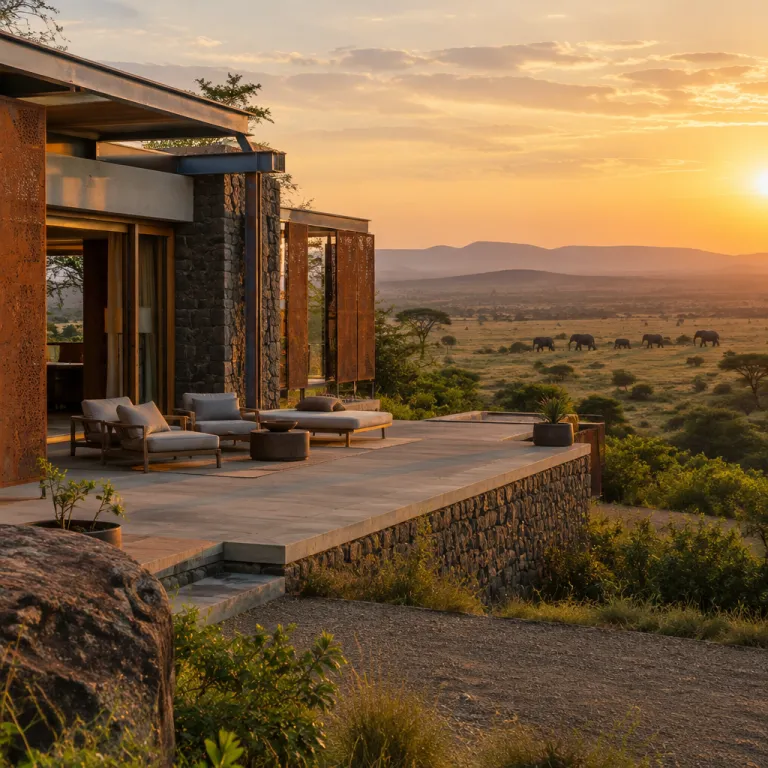
While gorillas dominate many conversations about Uganda safaris, the country’s savannah parks deliver equally compelling wildlife scenes with far easier access. Queen Elizabeth National Park, covering about 1 978 km² according to the Uganda Wildlife Authority, is renowned for tree climbing lions, varied game drives and boat safaris along the Kazinga Channel, making it a favourite for travellers who want classic African wildlife with comfortable lodges. Luxury properties here often overlook crater lakes or sweeping plains, allowing guests to watch elephants and other wildlife without leaving the deck.
Murchison Falls National Park, where the Nile forces itself through a narrow gorge, offers some of the best river based wildlife viewing in Africa, with boat tours that pass hippos, crocodiles and abundant birdlife. High end safari lodge options on the riverbanks combine spacious tents or villas with fine dining, private vehicles for game drives and, in some cases, helicopter transfers that cut travel time from Kampala. Lake Mburo National Park, smaller but rich in zebras and antelopes, provides a gentle finale to a Uganda safari, especially for guests driving back toward the capital.
When comparing these destinations, Queen Elizabeth excels for varied landscapes and easy combinations with Bwindi, while Murchison Falls is better for dramatic scenery and powerful river experiences. Lake Mburo works well as a first or last stop, breaking up road journeys and offering relaxed walking safaris in a compact park Uganda setting. Wherever you stay, ask your operator to secure rooms with direct views over a lake, river or open plain, because this transforms quiet downtime between activities into an extension of your wildlife experience.
Forest national treasures: Kibale Forest, golden monkeys and multi country circuits
Beyond gorillas, Uganda safaris shine in their forest national experiences, especially in Kibale Forest National Park, which is famed for chimpanzees and an extraordinary density of primates. Luxury lodges on the forest edge offer guided walks, birding tours and night excursions, allowing guests to experience the forest at different times of day. Many travellers pair Kibale Forest with Queen Elizabeth National Park, creating a route that moves from dense forest to open savannah in a single trip.
For guests interested in golden monkeys and broader primate diversity, a combined Uganda Rwanda itinerary can be particularly rewarding, linking Bwindi’s mountain gorillas with Rwanda’s Volcanoes National Park. High end operators arrange seamless transfers across the border, ensuring that your travel time is minimised and your permits for gorilla trekking and golden monkeys tracking are carefully coordinated. In such circuits, the choice of safari lodge in each national park becomes even more important, because you rely on these properties to manage complex logistics and early starts.
Forest based lodges often emphasise sustainability, using solar power, rainwater harvesting and community partnerships to reduce their impact on sensitive ecosystems. When you book, ask how each property supports conservation and local livelihoods, since Uganda’s safari tourism model aims to generate income for communities while protecting wildlife. This approach aligns with the wider goals of African conservation travel, where luxury and responsibility are no longer opposites but two sides of the same carefully planned experience.
Designing a luxury itinerary around time, comfort and conservation
Creating a premium Uganda safari is ultimately an exercise in balancing time, comfort and conservation priorities. Start by deciding how many nights you can allocate to each national park, then work backward to choose safari lodge options that minimise long transfers while maximising wildlife viewing. For example, a ten night trip might include Kampala, Bwindi Impenetrable, Queen Elizabeth and Lake Mburo, with optional extensions to Kibale Forest or Murchison Falls depending on your interests.
When planning, remember that dry seasons from June to September and December to February usually offer the best road conditions and easier access to remote forest and savannah areas. As one planning guide notes, “Dry seasons: June-September and December-February” are generally considered the best time for a Uganda safari, especially for gorilla trekking and long game drives. However, shoulder months can be appealing for guests who prefer quieter parks and more flexible lodge availability, particularly in popular areas like Bwindi and Queen Elizabeth.
Luxury travellers should also consider how each property contributes to conservation, since Uganda’s safari model is closely tied to protecting endangered species and habitats. Ask whether your chosen lodges support anti poaching patrols, community education or habitat restoration in and around the national park where they operate. By aligning your spending with responsible operators, you help ensure that Uganda safaris continue to offer exceptional wildlife experiences while safeguarding gorillas, golden monkeys and countless other species for future generations.
Still water retreats and post safari relaxation
After intense days of gorilla trekking, forest walks and game drives, many travellers crave a quieter setting to process their experiences. Uganda safaris lend themselves beautifully to this, thanks to serene lakeside destinations where luxury lodges focus on rest, wellness and gentle activities. One standout option is Lake Bunyonyi, often added after Bwindi, where calm waters and terraced hills create a soothing contrast to the dense impenetrable forest.
For a detailed look at how a lakeside stay can reset your Uganda safari, read this feature on a still water retreat after the gorillas. Properties around the lake offer canoeing, village walks and simple relaxation on decks that face the water, giving you time to reflect on encounters with mountain gorillas and other wildlife. These retreats are especially valuable for guests who have combined multiple national parks, such as Bwindi, Queen Elizabeth and Kibale Forest, and need a gentle finale before flying home.
Some travellers choose to end their trip back in Kampala, returning to a favourite luxury hotel for a final night of comfort, spa treatments and fine dining. Others prefer to remain in quieter regions, perhaps near Lake Mburo or another lake, where birdlife and soft light provide a calm farewell to Africa. Either way, building deliberate rest into your itinerary ensures that Uganda safaris feel not only thrilling but also restorative, leaving you with clear memories rather than simple exhaustion.
Key statistics for planning luxury Uganda safaris
- Uganda currently protects 10 national parks, giving travellers a rare chance to combine gorillas, classic savannah wildlife and rich birdlife within a single country, according to a Uganda safari destinations overview.
- Approximately 1 080 bird species have been recorded in Uganda, making it one of Africa’s most rewarding birding destinations and a strong complement to big game and gorilla experiences, based on data from a specialist safari review platform.
- Queen Elizabeth National Park covers about 1 978 km², which allows for varied habitats from crater lakes to open plains and supports more than 600 bird species, according to the national tourism authority.
- Kampala’s average daytime temperature sits around 26 °C, creating a warm but generally comfortable climate for pre and post safari stays, as reported by regional weather and climate summaries.
Frequently asked questions about luxury Uganda safaris
When is the best time to go on a Uganda safari ?
The most popular time for Uganda safaris is during the main dry seasons from June to September and December to February, when roads are more reliable and forest trails are less muddy. These months are especially favourable for gorilla trekking in Bwindi Impenetrable and for game drives in Queen Elizabeth or Murchison Falls. Shoulder months can still work well for luxury travellers who value quieter parks and more flexible lodge availability.
Can you trek gorillas in Uganda in comfort and style ?
Yes, Uganda offers excellent gorilla trekking in Bwindi Impenetrable National Park and Mgahinga Gorilla National Park, with a growing range of luxury lodges near key trailheads. High end properties provide comfortable bases with good food, attentive service and support services such as porters, spa treatments and gear cleaning after treks. Permits are limited and in high demand, so travellers should secure both gorilla permits and preferred lodges many months in advance.
Is Uganda good for birdwatching alongside luxury safaris ?
Uganda is outstanding for birdwatching, with around 1 080 recorded species including sought after birds such as the shoebill, making it ideal for combining birding with luxury stays. Many high end lodges in Queen Elizabeth, Murchison Falls, Kibale Forest and around lakes offer guided birding tours with experienced local guides. This means you can enjoy comfortable accommodation while pursuing specialist interests like forest birding or wetland species.
How far in advance should I book luxury lodges for Uganda safaris ?
For peak dry seasons, it is wise to book luxury safari lodges and gorilla permits at least six to twelve months ahead, especially in Bwindi and popular sectors of Queen Elizabeth. Smaller high end properties often have limited room numbers, so early planning ensures you secure preferred room categories and private vehicles for game drives. Travellers with fixed dates or complex Uganda Rwanda itineraries should aim for the longer end of that window.
Are Uganda’s luxury safari lodges suitable for families ?
Many luxury lodges in Uganda welcome families, offering spacious suites, interconnecting rooms and flexible dining, though age limits may apply for activities such as gorilla trekking. Properties in Queen Elizabeth, Murchison Falls and Lake Mburo are often particularly family friendly, with boat safaris and shorter game drives that suit mixed age groups. Always check minimum age requirements and available activities when planning a family focused Uganda safari.