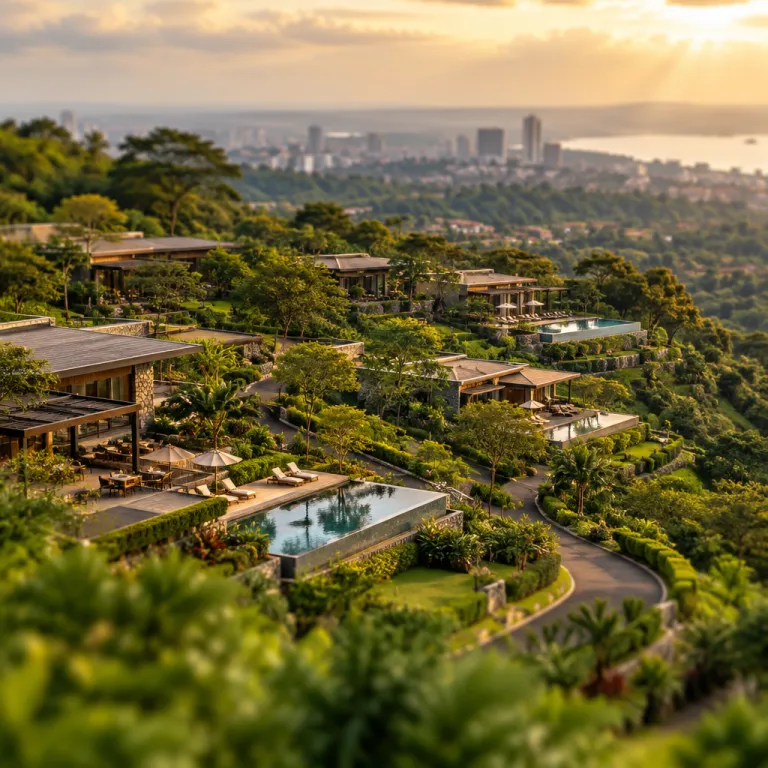
Luxury in Kampala city: where the capital meets the hills
Kampala is a layered city where luxury hotels rise gently above the bustle. In this capital of Uganda, premium properties cluster on each hill that once defined the early population and its neighbourhoods. The result is a skyline where every hotel stay feels both urban and quietly elevated.
The Ugandan capital grew from a small British colonial administrative post into one of the most dynamic African cities. Today the metropolitan area stretches over several hills, and each one offers a different mood for travellers choosing between luxury and premium hotels in Kampala. When you book in the city, you are really choosing your own hill and its particular view of daily life.
Many of the finest Kampala Uganda hotels sit on or near Nakasero Hill, Kololo Hill and Naguru Hill. Each hill is located close to the main business and diplomatic districts, yet the elevation softens the urban noise and humid equatorial air. For travellers comparing African cities, the capital stands out because its luxury hotels remain closely tied to the green slopes that first attracted the Buganda Kingdom chiefs.
Staying above the city: Nakasero Hill and the Buganda heritage
Nakasero Hill is the historic heart of Kampala and still the most prestigious address for luxury hotels. This central ridge hosts embassies, high end residences and several five star properties that overlook the wider population and the central business district. When you stay on Nakasero, you feel both the pulse of Uganda’s capital and the calm of a garden suburb.
The area around Nakasero Hill reflects layers of Buganda Kingdom history and British colonial planning. Early administrators chose this hill because it was located above the swamps and close to the royal routes that linked the Buganda capital at Mengo to the lake shore. Today, guests in the city can still trace these routes from their hotel terraces down toward the markets and ministries of the inner core.
From a luxury booking perspective, Nakasero Hill offers some of the most reliable services in all African cities. Roads are well maintained by the Kampala city authority, security is visible, and access to national institutions is quick at any time of day. Travellers coming for major sports events can use this area as a refined base, especially when following developments in how new stadium projects are turning Uganda into a sports tourism destination via dedicated fan zones and upgraded venues.
Spiritual skylines: cathedrals, Kasubi Tombs and hilltop views
Luxury and premium hotels in Kampala do more than offer polished rooms; they frame the spiritual skyline of Uganda’s capital. From certain terraces, you can see the twin hill silhouettes of Namirembe and Rubaga, each crowned by a cathedral that anchors the Buganda Kingdom’s Christian heritage. These views give the city a sense of depth that many African destinations cannot match.
Namirembe Cathedral stands on one historic hill, while Rubaga Cathedral rises on another, and both are easily reached from central Kampala hotels. Guests often plan a daily excursion from their hilltop property to these sites, combining them with a visit to the Kasubi Tombs, the UNESCO listed burial grounds of Buganda kings. When you return to your Kampala Uganda hotel after such visits, the city’s spiritual landmarks feel woven into your stay rather than distant attractions.
The Kasubi Tombs complex lies on yet another hill located just northwest of the urban core, and many premium hotels arrange guided visits that explain Buganda Kingdom traditions. Travellers who time their trip for June or August often enjoy clearer Kampala climate conditions for these hilltop views, although short rains can arrive unpredictably. Families planning around school calendars sometimes choose the quieter short rains in October and November, when calmer travel periods can still reward them with luminous sunsets over the city and its surrounding hills.
Lake Victoria, urban agriculture and Kampala’s changing climate
Kampala is located only a short drive from the northern shores of Lake Victoria, and this proximity shapes both the local climate and its hotel experiences. Many premium properties in Kampala Uganda now design excursions that combine a city stay with time on the lake, giving guests a sense of how the capital connects to the wider East African region. From a rooftop pool on a Kampala hill, you can often feel the lake breeze that moderates temperatures across the metropolitan population.
Lake Victoria also supports pockets of urban agriculture around the city, where small farms and gardens still operate inside the expanding capital. Guests who venture beyond their hotel compounds can see how residents adapt to climate change through new crops, water harvesting and soil conservation. These urban agriculture zones sit surprisingly close to luxury properties, reminding visitors that Kampala remains a living, working capital rather than a curated resort.
Climate change is already altering rainfall patterns in Uganda, with heavier downpours in some months and longer dry spells in others. Hotels on higher ground, especially on Nakasero Hill and neighbouring slopes, tend to manage drainage better during intense storms, which is worth considering when booking in the wettest periods. Travellers who want to balance city comfort with nature often pair a Kampala stay with a smaller reserve such as Lake Mburo, using specialist itineraries that highlight safe walking, night drives and family friendly wildlife experiences beyond the capital.
Reading the city: Daily Monitor, data and Kampala’s growth
Understanding the city as a traveller becomes easier when you follow local information sources. The Daily Monitor newspaper offers English language coverage of politics, business and culture that helps guests interpret what they see from their hotel balconies. Reading the Daily Monitor over breakfast in a Kampala hill hotel gives context to the traffic, construction and festivals unfolding across the capital.
Official data from the Uganda Bureau of Statistics confirms how quickly the Kampala population has expanded in recent decades. The metropolitan area now ranks among the fastest growing African cities, and this growth pressures infrastructure while also supporting a more diverse hospitality scene. Luxury and premium hotels in Kampala Uganda respond by upgrading facilities, adding conference spaces and refining services to match the expectations of regional and international guests.
Travellers who care about urban planning will notice how the Kampala city authority struggles and innovates at the same time. The city authority manages road works, drainage and zoning on each hill, which directly affects access to hotels and key sites. When you choose a Kampala capital property, it is worth checking recent Daily Monitor reports about road closures or new flyovers that might change airport transfer times between Entebbe and your chosen hill.
History in the hills: from British colonial plans to Milton Obote
The shape of modern Kampala still reflects its British colonial origins, when planners laid out administrative zones on higher ground and commercial areas in the valleys. Many of today’s luxury hotels in Kampala Uganda occupy plots that once hosted colonial residences or early government offices, especially on Nakasero Hill and adjacent ridges. Staying in these hill properties places you inside the layered story of Uganda’s statehood.
After independence, leaders such as Milton Obote governed from this same capital, reinforcing the city’s role as the national political centre. Decisions taken in Kampala during the Milton Obote years and later periods shaped everything from road networks to national tourism policy, which now supports high end hotel investment. Guests who look beyond the polished lobbies of central hotels can still see traces of these political eras in nearby monuments, parliament buildings and memorials.
The Buganda Kingdom, whose traditional capital lies within the wider urban area, also left a strong imprint on the hills and their uses. Royal routes, palace sites and clan lands once defined where people could settle, and some of these patterns still influence population distribution today. When you book a premium stay in Kampala capital, especially near Kasubi Tombs or Mengo, you are entering spaces where Buganda Kingdom history and British colonial planning intersect in visible ways.
Planning your stay: seasons, climate and choosing the right hill
Choosing when to visit Kampala city can be as important as choosing your hotel. The Kampala climate is generally warm and humid, with temperatures moderated by altitude and breezes from Lake Victoria, but rainfall varies by month. Many travellers favour June and August for their Kampala Uganda trips, when skies are often clearer and evening views from each hill feel particularly crisp.
Luxury hotels in Kampala capital adjust their offers to these seasonal shifts, sometimes adding spa packages or city tours during quieter months. Families who travel against the standard calendar often find that shoulder seasons around the short rains offer better value and more attentive service in city properties. Reading local forecasts and recent climate change reports for Uganda helps you match your preferred weather to the right travel window.
When selecting a hotel, consider whether you want a central Kampala hill like Nakasero Hill for quick access to national institutions, or a slightly more residential slope for quieter nights. Properties located closer to Lake Victoria may feel cooler but can involve longer transfers into the densest urban districts of Kampala Uganda. Whatever you choose, remember that the capital is a living African city where the original hills, the expanding population and the evolving work of the city authority all shape your daily experience.
Key figures on Kampala and its hospitality landscape
- The Uganda Bureau of Statistics estimates that the greater Kampala population exceeds 3.5 million residents as of the early 2020s, making the city one of the largest urban centres in East Africa and a major hub for regional hotel demand.
- Lake Victoria, located just south of Kampala Uganda, covers about 68 800 square kilometres, and its moderating influence on the Kampala climate helps keep average daytime temperatures near 27 °C throughout much of the year.
- Tourism contributed around 7.7 percent of Uganda’s national GDP in 2019 according to pre pandemic Uganda Bureau of Statistics and Bank of Uganda reports, and a significant share of high value visitors pass through Kampala capital hotels before or after safaris.
- Kampala city sits at an elevation of around 1 200 metres above sea level, and this altitude, combined with the surrounding hill system, creates cooler nights than many other African cities at similar latitudes.
- UNESCO’s inscription of the Kasubi Tombs as a World Heritage Site has increased cultural tourism to Kampala Uganda, encouraging premium hotels on nearby hills to develop tailored heritage packages and guided visits.
FAQ about luxury and premium stays in Kampala
Which areas of Kampala are best for luxury hotel stays ?
Nakasero Hill and Kololo are the primary districts for luxury hotels in Kampala city, offering secure environments and easy access to business and diplomatic zones. These hills in Kampala capital provide elevated views, cooler breezes and shorter transfer times to many national institutions. Travellers seeking quieter surroundings sometimes choose Naguru or Muyenga, which still connect efficiently to central Kampala Uganda.
How does the Kampala climate affect hotel choice ?
The Kampala climate is warm but tempered by altitude and proximity to Lake Victoria, so most luxury hotels rely on natural ventilation plus air conditioning. During heavier rains linked to climate change, properties on higher hills in Kampala tend to manage drainage and access roads more reliably. When booking, it is wise to check recent guest reviews about how each Kampala city hotel handles storms and power back up.
Is Kampala a safe capital city for high end travellers ?
Kampala capital is generally considered one of the safer African cities for visitors, especially in established hotel districts such as Nakasero Hill. The Kampala city authority works with national security agencies to protect key areas, and most premium hotels maintain robust internal security protocols. As in any large city, guests should use registered taxis, avoid isolated areas late at night and follow guidance from their Kampala Uganda hotel concierge.
What cultural sites should I prioritise near Kampala hotels ?
From most central Kampala city hotels, you can easily reach the Kasubi Tombs, Namirembe Cathedral, Rubaga Cathedral and the Buganda Kingdom palace at Mengo. These sites explain how Uganda’s capital evolved from a royal and religious centre into a modern city. Many luxury properties on Kampala hills offer curated tours that combine these landmarks with markets and craft centres.
How many days should I spend in Kampala before a safari ?
Spending two to three nights in Kampala Uganda allows time to adjust to the Kampala climate, explore key cultural sites and enjoy the amenities of your chosen hilltop hotel. This duration also gives flexibility in case of flight delays into Entebbe and time to arrange logistics for national park visits. Many travellers pair a short Kampala city stay with a nearby reserve, balancing urban comfort with wildlife experiences elsewhere in Uganda.
Sources : Uganda Bureau of Statistics (latest pre pandemic tourism and population reports) ; Bank of Uganda tourism data ; United Nations World Tourism Organization regional assessments.