Why Kidepo Valley National Park Uganda is the ultimate remote luxury escape
Kidepo Valley National Park in Uganda offers one of Africa’s most secluded luxury safari settings. In this far northeastern corner of the country, the wildlife viewing feels almost private, with game encounters that rival more famous reserves yet see a fraction of the visitor numbers. For discerning guests, that combination of exclusivity, raw valley landscapes, and attentive park management creates a rare sense of privilege.
The park lies in the Karamoja region near the Kaabong District town of Kaabong, where semi-arid plains rise towards mountains that frame the sweeping valley panorama. Within this 1,442 km² protected area, more than 86 mammal species and around 475 bird species have been recorded, according to Uganda Wildlife Authority (UWA) summaries and IUCN-supported surveys. Because UWA oversees both conservation and tourism, luxury lodges can operate with confidence that long-term conservation goals and local communities are being respected.
Guests arrive to a landscape where Kidepo Valley grasslands meet rugged hills, and where each time the light shifts the scenery changes dramatically. Charter flights shorten the journey, yet many still choose the long road trip from central Uganda to appreciate how the wider region transforms from lush to semi-arid. Either way, the first game drive across Narus Valley or the broader Kidepo plains often delivers elephants, buffalo, and other wildlife species within minutes, setting the tone for an immersive safari.
Hidden gem lodges in the Karamoja region and Kaabong District
Luxury properties around Kidepo Valley National Park Uganda are few, which is exactly their charm. In the Kaabong District, a small cluster of premium lodges sits on ridges overlooking Narus Valley, giving guests sweeping views of wildlife at first light. With so little development in this part of the Karamoja region, each lodge feels like a private wildlife sanctuary without losing connection to nearby communities.
High-end camps here work closely with Uganda Wildlife Authority and local Karamojong communities to align safari operations with conservation priorities. Many employ guides from the community, who interpret the landscape, explain traditional pastoral life, and help guests understand how a national park can support regional livelihoods. This collaboration strengthens trust between park management, the wider community, and international visitors who expect ethical luxury.
For travelers comparing remote destinations, a helpful overview of refined stays across this frontier can be found through curated guides to the Karamoja region’s luxury accommodation on the wild frontier. These resources highlight which properties offer the best access to Kidepo Valley game drives, which prioritize low-impact design, and which invest most heavily in community projects. Choosing such lodges means your time in this remote corner of Uganda contributes directly to both wildlife conservation and cultural resilience.
Design, comfort, and service standards in a remote national park
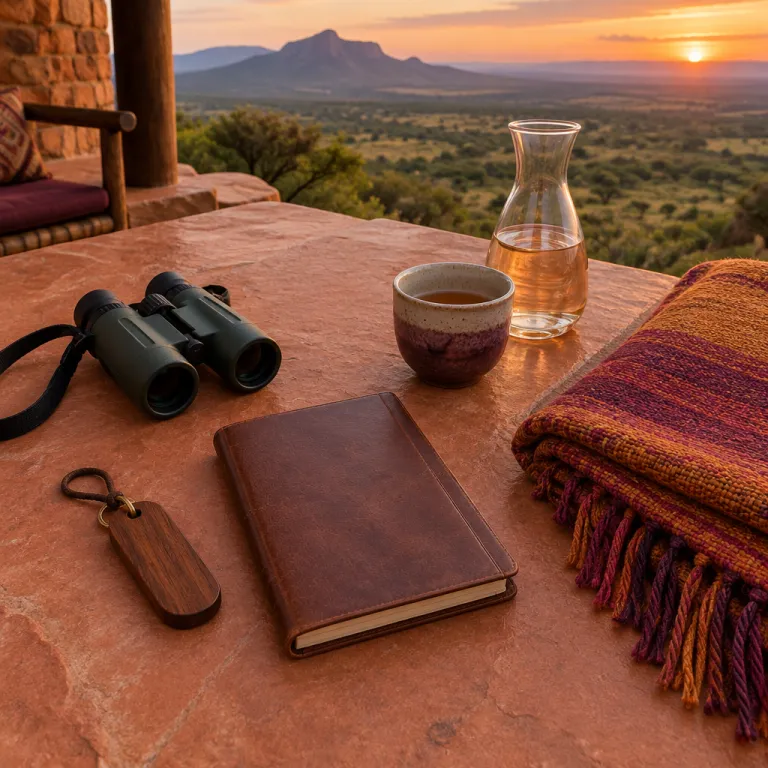
Staying in Kidepo Valley National Park Uganda no longer means compromising on comfort. Top lodges blend stone, canvas, and timber to echo the valley while still delivering hot showers, fine linens, and thoughtful amenities. Many suites face key wildlife corridors, so you can watch animals move across Narus Valley from your private veranda.
Service levels are surprisingly polished for such a remote region of Uganda, with staff trained to international standards yet grounded in local hospitality traditions. Chefs design menus around seasonal produce, while still accommodating dietary preferences and timing meals around safari drives in the national park. Some properties even offer in-room spa treatments, allowing guests to unwind after long game drives under the intense African sun.
Because this is a semi-arid wildlife reserve, design choices must support conservation and efficient resource use. Solar power, careful water management, and low-impact building techniques help protect fragile habitats and the many wildlife species that depend on them. Travelers interested in how different parks balance luxury and sustainability can compare Kidepo with smaller reserves such as those featured in curated analyses of Lake Mburo and other compact Uganda itineraries, where walking safaris and night drives shape a different style of stay.
Wildlife, seasons, and the best time to book your safari
Planning a luxury stay around Kidepo Valley National Park Uganda starts with understanding the seasons. The dry season, typically from December to February and June to September, concentrates wildlife around remaining water sources in Narus Valley and the broader Kidepo plains. During this time, game viewing is at its most dramatic, and animals are easier to spot from both vehicles and lodge decks.
Uganda Wildlife Authority data shows that this remote savannah shelters unusual wildlife species for Uganda, including cheetah, caracal, bat-eared fox, greater and lesser kudu, dik-dik, and Bright’s gazelle. These species are more commonly associated with drier parts of East Africa, which makes this valley landscape particularly compelling for seasoned safari travelers. Birders also prize the experience here, with hundreds of species recorded across the reserve, from raptors riding thermals to ground dwellers in the grasslands.
Visitors often ask: “When is the best time to visit?” and the official guidance is clear: dry seasons from December to February or June to September. Booking high-end lodges well ahead for these months is essential, as room numbers are limited and charter flights into the region can fill quickly. Those who prefer greener scenery and fewer vehicles sometimes choose the shoulder periods, accepting slightly more challenging wildlife viewing in exchange for solitude.
Community, culture, and conservation around Kidepo Valley
Luxury travel to Kidepo Valley National Park Uganda is inseparable from the human stories of the surrounding communities. The Karamojong people, who live across much of the Karamoja region, maintain pastoral traditions that have shaped this valley for generations. Higher in the hills, the Ik community occupies remote villages, offering a very different cultural perspective on life beside a national park.
Many premium lodges now build community visits into their safari programs, not as staged performances but as carefully managed encounters that respect both guests and hosts. Uganda Wildlife Authority and partner NGOs encourage this approach, seeing it as a way to link tourism revenue with tangible benefits for each community. When travelers understand how conservation supports schools, clinics, and grazing agreements, they tend to value the wildlife and its protection more deeply.
Revenue from park gate fees, guided walks, and game drives helps fund rangers, anti-poaching patrols, and broader conservation initiatives. In recent years, efforts against poaching have strengthened, elephant numbers have rebounded, and there are ongoing national projects to restore missing wildlife species, including long-term plans for rhino reintroduction to Uganda, as referenced in UWA and Uganda Wildlife Education Centre statements. These successes show how a well-managed wildlife reserve can serve both biodiversity and the long-term interests of nearby communities.
Crafting a multi park luxury itinerary across northern Uganda
For many high-end travelers, Kidepo Valley National Park Uganda is the highlight of a longer circuit through northern and western Uganda. A popular route links this remote valley with Murchison Falls National Park, where the Nile squeezes through a narrow gorge before plunging into a churning pool. Combining the two parks allows guests to experience both classic river-based game viewing and the wide-open savannahs of Kidepo’s landscapes.
In Murchison Falls, boat trips bring you close to hippos, crocodiles, and abundant birdlife, while drives across the northern bank plains reveal different wildlife species from those in Narus Valley. The contrast between the lush riverine environment around the falls area and the semi-arid Kidepo region underscores Uganda’s ecological diversity. Travelers often comment that this mix of river, valley, and highland scenery makes Uganda wildlife journeys feel richer than single-park itineraries elsewhere in Africa.
To streamline planning, many guests rely on specialist platforms that curate luxury stays and charter connections between national parks. One such resource offers detailed guidance on how to pair remote lodges, private vehicles, and expert guides across the country’s key wildlife areas, including a feature on Uganda safaris where luxury stays meet wild horizons. Using these services, you can design a seamless journey that links park management excellence, conservation-focused properties, and meaningful community experiences from Kidepo to Murchison Falls and beyond.
Key statistics for luxury travel to Kidepo Valley National Park Uganda
- The protected area of Kidepo Valley National Park covers about 1,442 km², making it one of Uganda’s larger national parks and allowing extensive space for wildlife and low-density tourism (Uganda Wildlife Authority).
- Surveys have recorded roughly 86 mammal species in the park, including cheetah and other dry-country wildlife that are rare elsewhere in Uganda (UWA and partner research reports).
- Bird counts list around 475 bird species, positioning Kidepo among the most rewarding birding destinations in Africa for both casual observers and dedicated ornithologists (BirdLife International assessments and UWA checklists).
- Altitude in the park ranges from about 914 m on the valley floor to 2,750 m in the surrounding highlands, which explains the marked temperature shifts between warm days and cool nights (UWA topographic data).
- Road travel from Kampala to Kidepo typically takes 10 to 12 hours by 4×4 vehicle, while charter flights reduce the journey time dramatically and are often preferred by luxury travelers.
FAQ about luxury stays at Kidepo Valley National Park Uganda
What large mammals are unique to Kidepo ?
Key large mammals that set Kidepo Valley National Park Uganda apart include cheetah, caracal, bat-eared fox, greater and lesser kudu, dik-dik, and Bright’s gazelle, all of which are associated with drier savannahs than most of Uganda. These wildlife species are a major reason experienced safari guests prioritize this valley landscape. Spotting them often requires time in both Narus Valley and the broader Kidepo plains with skilled guides.
When is the best time to visit for wildlife viewing ?
The best time for game drives in Kidepo is during the dry season months, when vegetation thins and animals congregate around water sources. This pattern makes it easier to see a wide range of wildlife, from elephants and buffalo to predators and rare antelope. Luxury lodges often book out early for these periods, so advance planning is essential.
How can I reach Kidepo Valley National Park Uganda ?
Travelers can reach the park either by long road journeys or by air. Road travel from Kampala usually takes 10 to 12 hours in a reliable 4×4, passing through the Karamoja region and Kaabong District. Many luxury guests choose charter flights instead, which land on airstrips close to the main wildlife area and drastically reduce travel time.
Are there meaningful community encounters during a luxury stay ?
Yes, many high-end lodges around Kidepo Valley National Park Uganda organize visits to nearby Karamojong and Ik communities. These experiences are designed in consultation with each community to ensure respect, fair compensation, and cultural sensitivity. Guests gain insight into how local livelihoods intersect with conservation, while their presence supports community projects linked to the national park.
How does Uganda Wildlife Authority manage conservation in such a remote park ?
Uganda Wildlife Authority leads park management in Kidepo, deploying rangers, monitoring wildlife species, and coordinating with conservation NGOs and local communities. Gate fees from visitors, along with revenue from guided safaris and other activities, help fund anti-poaching operations and habitat protection. This integrated approach has contributed to rising elephant numbers and broader conservation gains within the reserve, as reflected in recent UWA status reports.