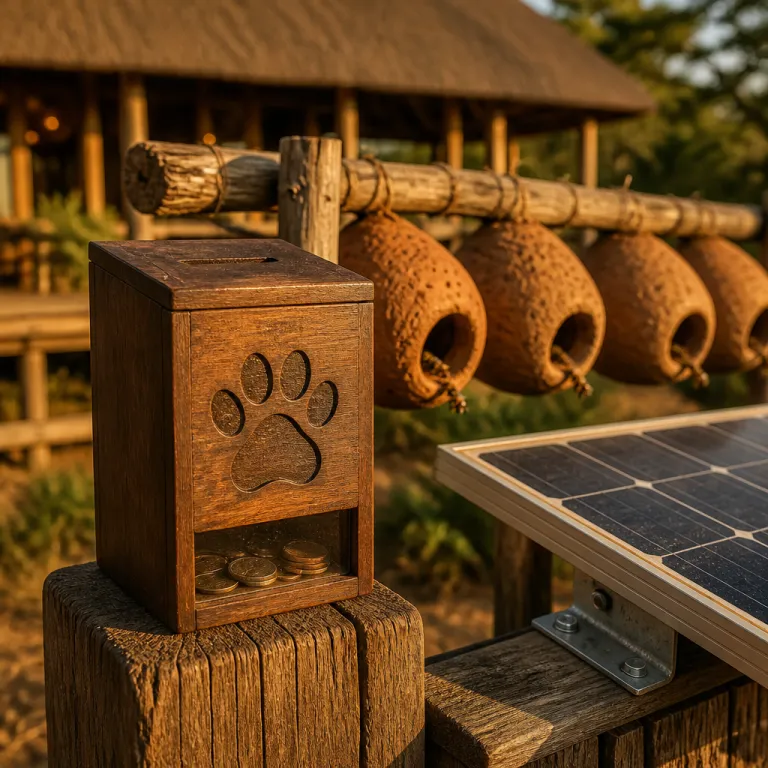
Reading the new language of Uganda sustainable luxury travel
Uganda sustainable luxury travel is no longer about thread counts alone. Across uganda, a new generation of high travel lodges is quietly rewriting what luxury in east africa means, folding conservation costs into every chilled towel and perfectly mixed G&T. For couples used to classic africa safari glamour, this shift can feel subtle yet it changes how your stay touches the forest, the park and the people who live beside them.
On myugandastay.com we treat uganda sustainable luxury travel as an operating system, not a slogan, because tourism here now pays for real tools like beehive fences, solar fields and community scouts. Uganda’s Uganda Wildlife Authority (UWA) has credited wildlife recovery partly to “increasingly tight law enforcement, focused species recovery programs” and community engagement, and the best luxury lodges have aligned their own conservation levies with that national direction. For travelers seeking romance and meaning, the question becomes simple yet demanding ; which properties in africa uganda are genuinely underwriting conservation, and which are only styling themselves as eco.
Across africa, safari operators talk about sustainable tourism, but uganda is where the model feels unusually intimate and measurable. Couples arrive for gorilla trekking in bwindi impenetrable or a river safari in murchison falls national park, and find that every night’s stay carries a line item for conservation that is as real as the bar bill. This is uganda sustainable luxury travel at its most honest ; luxury travel that admits its footprint, then pays to shrink it in the forest and the surrounding local communities.
From levy to landscape: how conservation fees actually work
The cleanest expression of uganda sustainable luxury travel right now is the dedicated conservation levy per night. At Kulu Ora, for example, a 25 USD charge is added to every stay, ring fenced for murchison falls national park protection and nearby community projects that buffer the park edge. For couples comparing luxury options in uganda rwanda or even south africa, this level of transparency is a useful benchmark ; you should be able to see exactly how your tourism spend moves from invoice to wildlife.
Across uganda, operators such as WildPlaces Africa have normalised this model, treating the conservation levy as non negotiable rather than a charitable extra. A conservation levy is defined very clearly in the sector as “A fee added to lodging costs to fund conservation efforts.” When you read lodge fact sheets or a detailed sustainability report from the Uganda Tourism Board or from partners like the African Travel and Tourism Association, you start to see how these levies complement national park fees, supporting long term conservation in ways that government budgets alone cannot.
For travelers seeking serious sustainability credentials, the partnership work now matters as much as the plunge pool. Uganda’s tourism authorities have joined global platforms focused on sustainable tourism, and that gives couples a framework to interrogate claims when planning uganda sustainable luxury travel. A useful primer is the analysis of how the Uganda Tourism Board engages with international councils on responsible tourism, which you can explore through this overview of what the partnership means for travelers chasing serious sustainability credentials.
Beehive fences, forest corridors and women rangers: where your money goes
Once you start looking closely at uganda sustainable luxury travel, the romance of the landscape and the mechanics of conservation become inseparable. In farming communities around several national park boundaries, lodges and NGOs now fund beehive fences that keep elephants out of crops without harming them. As one conservation explainer puts it with welcome clarity ; “They deter elephants from entering farms, reducing conflicts.”
These beehive barriers are part of a wider toolkit that luxury properties use to protect wildlife and support local communities while maintaining a premium guest experience. Around murchison falls and queen elizabeth national parks, community scouts patrol buffer zones, reporting wildlife movements so that both elephants and farmers stay safe, and this work is often underwritten by conservation levies from eco luxury lodges. In bwindi and the surrounding bwindi impenetrable landscape, reforestation projects are stitching together fragments of forest so that gorilla and other wildlife can move more freely between the park and community land.
One standout example for travelers seeking depth is Asilia Africa’s work at Erebero Hills near bwindi, where a reforestation buffer zone is being planted between the lodge and the gorilla habitat. That corridor is not a marketing flourish ; it is a living bridge that allows wildlife to move while keeping human activity concentrated in a smaller footprint. At Kibale, Volcanoes Safaris has partnered with the Jane Goodall Institute so that women from nearby villages train as conservation leaders at the lodge, turning luxury tourism into a platform for local authority in kibale forest and beyond.
Solar panels, silent nights: energy as the new safari amenity
Energy is where uganda sustainable luxury travel becomes most visible in daily lodge life. Many of the most refined properties in africa uganda now run entirely on solar power, with banks of panels tucked into the landscape rather than diesel generators thudding through the night. One leading property reports “Solar energy usage in lodges” at 100 % of its power needs, a figure that would have sounded utopian when uganda’s tourism industry first opened to high travel markets.
For couples, the benefit is both sensual and ethical ; you fall asleep to forest sounds rather than engine noise, while knowing your stay is not burning fuel unnecessarily. Solar fields power the hot water for your post safari shower, the charging station for your camera after gorilla trekking, and the subtle lighting that keeps pathways safe without flooding the forest with glare. This is eco luxury in practice, where the line between comfort and conservation blurs into a single, carefully engineered experience.
Uganda sustainable luxury travel also means thinking about how these systems age over the long term, and whether lodges have budgets for maintenance, battery replacement and staff training. When you read a sustainability section on a property website, look for concrete statements about renewable energy percentages, not just a passing mention of a solar panel or two. The best lodges in uganda, rwanda and across east africa now publish their targets for energy use, water treatment and waste, inviting travelers to hold them accountable every time a new booking is made.
Choosing where to stay: a couple’s checklist for real impact
For couples planning uganda sustainable luxury travel, the hardest part is often separating genuine conservation work from soft green language. Start by reading the small print on rates ; does the property charge a clearly named conservation levy per night, and does it explain which national park, forest or community project benefits. If a lodge near murchison falls or queen elizabeth national park cannot show where its levy goes, you have your first red flag.
Next, interrogate the conservation narrative with the same care you bring to choosing a suite category or a private guide. Look for named projects such as reforestation corridors around bwindi impenetrable, women ranger programmes in kibale forest, or beehive fences protecting farms near a park boundary, and ask how long term the lodge’s commitment is. Uganda sustainable luxury travel works best when tourism revenue supports stable jobs, education and conservation tools that will still be in place long after your own safari has faded into memory.
Finally, consider the broader context of africa safari tourism repositioning luxury as both economic driver and conservation financing tool. In uganda rwanda and even south africa, the most forward thinking properties now publish measurable targets for sustainable tourism, from reduced vehicle kilometres to increased employment of local communities in management roles. When you are weighing two luxury gorilla lodges near bwindi or kibale, or comparing a forest retreat with a riverside camp near murchison falls, use this lens ; which one treats conservation as infrastructure, not as a decorative line on the website.
For a deeper dive into how this plays out around one of the country’s flagship reserves, you can explore our guide to planning a refined stay near Murchison Falls National Park in Uganda. It unpacks how different properties handle conservation levies, community partnerships and energy systems, giving travelers seeking romance and responsibility a clear map through the uganda sustainable luxury travel landscape.
FAQ
What is a conservation levy and why is it added to my bill ?
A conservation levy is a dedicated fee that lodges add to your nightly rate to fund wildlife protection and community projects around the property. In uganda sustainable luxury travel, this levy often supports national park operations, anti poaching patrols and local education initiatives. When you see it itemised, you are looking at a direct link between your stay and on the ground conservation.
How do beehive fences protect both wildlife and farmers ?
Beehive fences use rows of hives strung along farm boundaries to create a living barrier that elephants prefer to avoid. The sound and potential sting of bees encourage wildlife to turn back toward the park or forest, which reduces crop damage and human wildlife conflict. At the same time, local communities can harvest honey, turning a simple eco tool into a small income stream.
Why are solar panels so important for luxury lodges in Uganda ?
Solar panels allow remote lodges to generate clean electricity without relying on diesel generators that are noisy and carbon intensive. In the context of uganda sustainable luxury travel, full or high percentage solar use means quieter nights, lower emissions and reduced fuel transport through sensitive habitats. For couples, it translates into a more serene experience that aligns with the values of sustainable tourism.
How can I tell if a lodge’s sustainability claims are credible ?
Look for specific, measurable information rather than broad promises, such as the exact amount of a conservation levy, the percentage of power supplied by solar energy or the number of community scouts funded. Credible lodges in uganda, rwanda and wider east africa will name their partner organisations, describe projects like reforestation corridors or women ranger programmes, and report progress over time. If details are vague or missing, consider choosing another property for your uganda sustainable luxury travel plans.
Does paying more for a luxury lodge always mean better conservation outcomes ?
Higher room rates do not automatically guarantee stronger conservation work, because some properties prioritise design and amenities over environmental investment. The most effective way to judge impact is to examine how much of your spend is channelled into conservation levies, community employment and tools such as beehive fences or solar infrastructure. In uganda sustainable luxury travel, the lodges that talk clearly about these mechanisms, and show results on the ground, are usually the ones paying their true debt to the landscape.