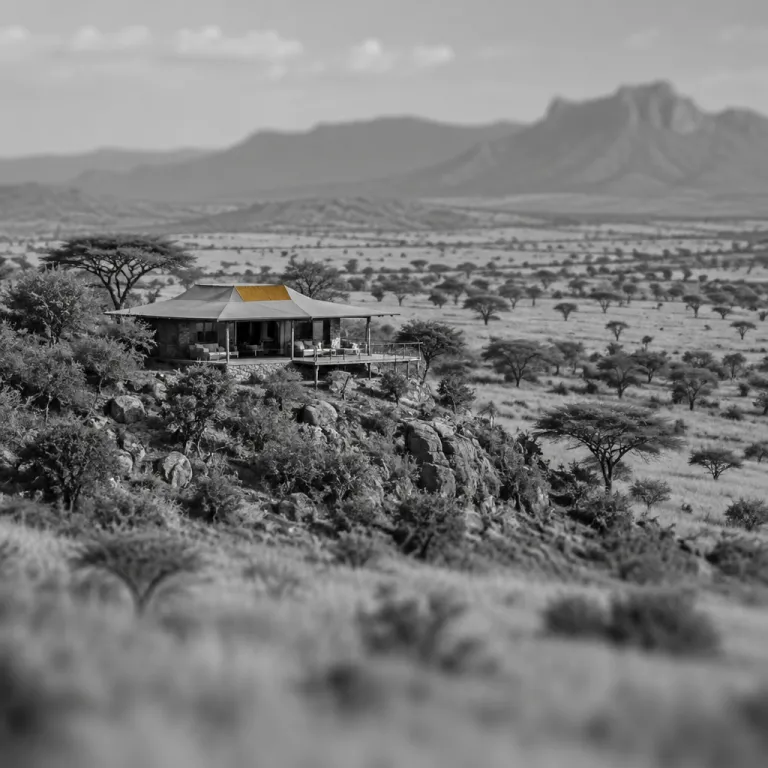
Why Kidepo Uganda is the ultimate remote luxury wilderness escape
Kidepo Uganda offers one of East Africa’s most dramatic wilderness settings. In the far northeast of the country, the Kidepo Valley opens into a vast semi-arid basin framed by rugged hills and endless sky. Luxury travellers who value privacy, rare wildlife and authentic community encounters will find this region uniquely rewarding and far removed from busier safari circuits.
The heart of Kidepo Uganda is Kidepo Valley National Park, a 1 442 km² protected area managed by the Uganda Wildlife Authority (UWA) as a flagship park within Uganda’s conservation landscape. This national park lies in Kaabong District in the Karamoja region, bordering Kenya and South Sudan, which gives the park’s wildlife a cross-border character and a strong sense of frontier adventure. Because the park is so remote, game drives here feel exclusive, with very few vehicles at wildlife sightings and a clear focus on low-impact national park tourism.
Reaching Kidepo Uganda requires more planning than a quick weekend break, yet the journey is part of the experience for many high-end guests. The park sits roughly 700 to 800 km from Kampala, so travellers either commit to a long overland travel day through the Karamoja region or book a scheduled or charter flight to Kidepo airstrip inside the national park. Once you arrive, the silence of the valley, the clarity of the night sky and the sense of being in a truly wild protected area make the time investment feel entirely justified; one recent guest described it as “the first place I’ve been where the stars felt louder than the road.”
Luxury lodges in Kidepo Valley: where wilderness meets refined comfort
High-end lodges in the Kidepo Valley landscape are designed to immerse guests in wildlife while maintaining refined comfort. Many suites are positioned on low ridges overlooking the Narus Valley, the main game-viewing area of Kidepo National Park where animals congregate around permanent water. From your private deck, it is common to watch herds of buffalo, zebra and antelope move across the valley plains as the light shifts through the day and the hills turn gold at sunset.
Most luxury properties in Kidepo Uganda operate with a strong conservation ethos, working closely with the Uganda Wildlife Authority and neighbouring communities. Park management policies limit bed numbers in this wildlife reserve, which keeps the experience intimate and supports national and global conservation goals for threatened species. When you book through a specialist platform that curates elevated nature retreats and luxury lodges in northern Uganda, you can compare properties by their sustainability practices, guiding quality and community partnerships, and request direct contacts for lodge managers or conservation officers if you want more detail.
Suites in this Kidepo Uganda setting typically feature large picture windows, outdoor showers and natural materials that echo the surrounding valley landscape. Fine dining menus highlight regional produce, while wine lists are curated to pair with long evenings around the fire after a day of safari drives. Because the region is semi-arid, the dry season from roughly September to March offers the best time for game safaris, with wildlife concentrating around water and clear views across the reserve; lodge hosts and UWA rangers can advise on current conditions and any seasonal access restrictions.
Designing a premium nature retreat around Kidepo National Park
Planning a luxury itinerary around Kidepo National Park starts with understanding the rhythm of this remote valley. The dry season is ideal for intensive game drives in both the Narus Valley and the broader Kidepo Valley, when grasses are shorter and wildlife is easier to spot. During these months, sunrise and late-afternoon safaris deliver the most comfortable temperatures and the best light for photography across the protected area, especially on the open plains and low ridges.
Many high-end travellers combine Kidepo Uganda with other national parks to create a contrasting circuit of landscapes and wildlife. A popular pairing is Murchison Falls National Park, where the Nile squeezes through a narrow gorge to create the dramatic Murchison Falls and a very different wildlife experience along the river. This combination allows you to compare the semi-arid Kidepo Valley scenery with the greener savannahs and riverine habitats of central Uganda, while supporting conservation across multiple wildlife reserve systems and spreading park fees between regions.
For guests seeking deep rest, some itineraries weave in wellness-focused stays that emphasise silence and digital detox after intense safari days. Curated content such as the guide to Uganda’s case for sleep, silence and switching off can help you choose suites that prioritise acoustic privacy and restorative sleep. Combining such retreats with the raw drama of Kidepo Uganda creates a balanced journey, where time spent in the wild is matched by carefully designed spaces for reflection and recovery in quieter corners of the country.
Wildlife, rangers and conservation ethics in Kidepo Uganda
Staying in luxury lodges in Kidepo Uganda places you at the centre of one of East Africa’s important conservation stories. Kidepo Valley National Park protects about 77 mammal species and around 475 bird species, including notable species such as the Karamoja apalis, lesser kudu and wild ostrich that are recorded here and are not typically seen elsewhere in Uganda according to Uganda Wildlife Authority briefings. When you join guided game drives or walks, you are entering a living laboratory of national park management, where UWA rangers work daily to balance tourism, community needs and biodiversity.
Uganda Wildlife Authority, as the official wildlife authority and park management agency, leads law enforcement, habitat monitoring and species recovery programmes in this remote reserve. Their rangers patrol the Kidepo and Narus valleys to deter poaching, monitor wildlife and respond to human–wildlife conflict in surrounding communities. One of the most ambitious long-term discussions linked to Kidepo conservation is the potential reintroduction of rhinos after decades of absence; while plans and timelines continue to evolve, UWA and partner organisations regularly share updates through official statements and stakeholder meetings.
Guests often have the opportunity to meet a ranger during their stay, gaining insight into the realities of protecting wildlife in such a vast region. Interpretive talks may explain how community wildlife areas are expanding around the national park to create buffer zones that benefit both animals and local livelihoods. As one UWA explanation notes, “Species like Karamoja apalis, lesser kudu, and wild ostrich occur here and not elsewhere in Uganda”, which underlines why every responsible safari in Kidepo Uganda contributes to safeguarding irreplaceable biodiversity and supports the work of named ranger teams on the ground.
Community, culture and responsible luxury in the Karamoja region
Luxury travel in Kidepo Uganda is inseparable from the culture of the Karamoja region and the communities that surround the park. The national park lies within Kaabong District, where pastoral traditions, distinctive dress and age-old ceremonies shape daily life in each community. Many high-end lodges now integrate respectful cultural encounters into their safari programmes, allowing guests to visit villages with trained local guides, translators and clear benefit-sharing agreements that are reviewed with community leaders.
These experiences move beyond staged performances, offering context on how communities adapt to semi-arid conditions and coexist with wildlife. You might learn how traditional herding routes intersect with the boundaries of the wildlife reserve, or how community wildlife scouts collaborate with Uganda Wildlife Authority rangers to report incidents and support conservation. When designed carefully, such visits create meaningful dialogue, generate income for local households and reinforce the value of the protected area as a shared asset that underpins both culture and conservation.
Responsible travellers often choose booking platforms that highlight lodges with transparent community partnerships and measurable conservation contributions. Some guests pair their Kidepo Uganda stay with time in the capital, using curated guides to elegant stays in Kampala to round out their itinerary with urban culture, galleries and fine dining. This combination of remote safari and city sophistication showcases the diversity of Uganda, while ensuring that tourism revenue flows from valley landscapes to a wider range of regions, service providers and community projects.
Practical booking advice for premium stays around Kidepo Uganda
Securing the right property in Kidepo Uganda requires attention to timing, logistics and your preferred style of safari. The dry season is peak time for game viewing in both the Narus Valley and the broader Kidepo Valley, so luxury lodges often fill months in advance. Early booking is especially important if you want specific suite categories with panoramic views across the plains, private plunge pools or exclusive-use vehicles for fully private game drives.
When comparing options, look closely at how each lodge structures its activities within Kidepo Valley National Park and the surrounding wildlife reserve. Some properties focus on classic vehicle-based safari drives, while others add guided walks, birding excursions and visits to nearby communities in Kaabong District. Clarify whether your rate includes park entry fees, Uganda Wildlife Authority ranger fees for walks and any conservation levies that support park management and global conservation projects; reputable operators will provide written breakdowns and contact details for follow-up questions.
Travel logistics also shape the overall experience in this remote region of Africa. Charter flights from Entebbe or Kampala typically take around two hours and allow you to arrive rested, while overland journeys through the Karamoja region offer a deeper sense of place but require more patience and flexibility. Whichever route you choose, partnering with a specialist in Kidepo Uganda itineraries ensures that transfers, park permits and lodge availability are aligned, so you can focus on the wildlife, landscapes and cultural encounters that brought you to this extraordinary protected area.
Key figures and natural highlights of Kidepo Uganda
- Kidepo Valley National Park covers about 1 442 km², making it one of Uganda’s larger national parks and giving park management significant space to maintain intact ecosystems and viable wildlife populations across valleys and hills.
- The altitude in this protected area ranges up to roughly 2 750 meters, creating a mix of valley floors and higher ridges that support diverse habitats and a wide range of wildlife species adapted to semi-arid conditions.
- Birdlife is exceptional, with around 475 bird species recorded in the park, which positions Kidepo Uganda as a premier destination for specialist birding safaris in Africa and a key site in UWA bird-monitoring reports.
- Approximately 77 mammal species occur within the park’s wildlife landscape, including iconic game such as lions, elephants and buffalo, alongside rarer species that are not found in other Uganda wildlife areas according to current park checklists.
- Travel distance from Kampala to Kidepo Valley National Park is roughly 700 to 800 km by road, so many luxury guests opt for scheduled or charter flights to maximise time on safari in the Narus Valley and Kidepo Valley rather than on the highway.
- Entry fees for foreign non-residents are published by Uganda Wildlife Authority in an official tariff (recent schedules list around 40 US dollars per person per day), and these fees contribute directly to UWA operations, ranger salaries and ongoing conservation initiatives in this remote wildlife reserve.
Frequently asked questions about luxury stays in Kidepo Uganda
What makes Kidepo Uganda different from other safari regions ?
Kidepo Uganda stands out for its extreme remoteness, semi-arid scenery and low visitor numbers compared with more accessible national parks. The combination of the Narus Valley, the wider Kidepo Valley and surrounding hills creates dramatic vistas that feel untouched and cinematic. This isolation means game drives often encounter wildlife without other vehicles in sight, which appeals strongly to luxury travellers seeking exclusivity and a sense of discovery.
When is the best time to visit Kidepo Valley National Park for a luxury stay ?
The dry season, roughly from September to March, is generally the best time for high-end safaris in Kidepo Valley National Park. During this period, vegetation is thinner and wildlife concentrates around water sources in the Narus Valley and other parts of the protected area. Luxury lodges can plan more predictable game drives, and road conditions within the park network are usually better for comfortable travel in open vehicles.
How do I reach Kidepo Uganda for a premium safari ?
Most luxury guests either fly directly to the Kidepo airstrip inside the national park or combine a shorter road transfer with a regional flight. The full road journey from Kampala to Kaabong District is about 700 to 800 km and can take a full day, which some travellers enjoy as part of their overland experience in Africa. Charter flights reduce travel time significantly and allow you to arrive at your lodge in the Kidepo Valley rested and ready for an afternoon game drive or a guided walk.
Is Kidepo Uganda suitable for first time safari travellers ?
Kidepo Uganda is ideal for travellers who value remoteness, strong conservation ethics and intimate encounters with wildlife, even on a first safari. However, its distance from major cities and limited infrastructure mean it suits guests comfortable with longer travel times and a sense of adventure. Many first-timers pair Kidepo experiences with more accessible parks such as Murchison Falls National Park to balance logistics, variety and the comfort of shorter transfers.
How does my stay support conservation and local communities ?
Park fees, conservation levies and lodge contributions help fund Uganda Wildlife Authority operations, ranger patrols and species recovery projects in this wildlife reserve. Many properties in Kidepo Uganda also partner with nearby communities in the Karamoja region through employment, cultural tourism and support for education or health initiatives. By choosing lodges with transparent park management and community programmes, and by asking for named contacts or reports where available, your safari directly reinforces both global conservation goals and local livelihoods.