Reading between the lines of “green lodges uganda” marketing
Search for green lodges Uganda and you will be offered a polished fantasy of guilt free luxury in the wild. In reality, each lodge in Uganda sits somewhere on a spectrum between genuine conservation partner and clever safari marketer, and the solo traveller has to work to tell them apart. Your experience can either reinforce extractive habits in a national park or quietly fund the forest rangers, the community guides and the mountain gorilla monitoring teams that keep this wildlife intact.
Across Bwindi and Kibale, the language is similar ; every camp claims to be eco friendly, every safari lodge references community projects and every website mentions conservation fees without explaining where they go. When you read about eco lodges in Uganda, look for hard numbers rather than soft adjectives, because a lodge that publishes its staff wage structure and energy mix is usually more serious than one that only posts photos of a smiling local choir. The most credible nature lodges also show their trade offs, admitting where they still rely on diesel or imported food while outlining a plan to reduce those impacts.
Uganda’s tourism strategy now talks about value based travel instead of volume, and that shift matters for anyone booking a gorilla lodge or wilderness camp. A single solo traveller staying three nights near Bwindi Impenetrable National Park can generate more conservation funding than a minibus of day trippers, if the property is transparent about its levies. The same logic applies whether you are tracking mountain gorillas in the impenetrable forest, birding around a crater lake or watching elephants in Queen Elizabeth National Park.
Plastic free in practice: from water bottles to laundry bags
Many green lodges Uganda wide now headline their plastic free credentials before they mention room size or spa menus. On the ground, the difference between a token gesture and a meaningful shift is obvious within minutes of entering your lodge room. Look at the bathroom first ; refillable glass dispensers, bamboo earbuds and solid soap bars signal a more serious eco lodge approach than miniature plastic amenities wrapped in branded packaging.
In Bwindi and Kibale Forest, some lodges have eliminated single use plastic water bottles entirely, installing filtered water stations and issuing stainless steel flasks for gorilla trekking or forest walks. Others still hand out shrink wrapped bottles on every game drive, even while calling themselves eco lodges in glossy brochures, so ask in advance how water is handled during your safari. A genuinely eco friendly safari lodge will also rethink back of house plastics, replacing cling film in the kitchen, switching to bulk dry goods and training the local team to separate waste for collection.
Properties around Lake Bunyonyi and the wider lake region are quietly leading on low impact design, often using stone, timber and thatch that can be dismantled without scarring the hillside. If you are considering refined nature escapes on the water, guides such as these Lake Bunyonyi retreats in Uganda for refined nature escapes help you compare how different lodges handle plastics, grey water and shoreline conservation. The most thoughtful nature lodges publish simple diagrams of their waste streams, showing how much is recycled, composted or sent to landfill, and that level of detail is worth rewarding with your booking.
Reforestation, impenetrable forests and the reality of tree planting
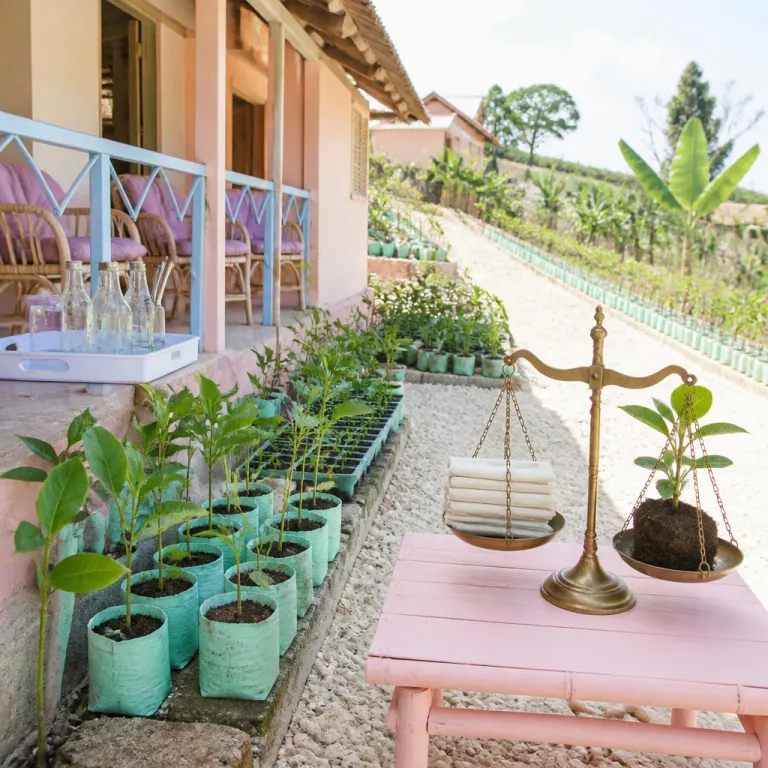
Tree planting has become the default sustainability promise for many green lodges Uganda wide, especially those bordering Bwindi Impenetrable and Kibale Forest. A reforestation pledge sounds impressive on a website, but the real test lies in species choice, survival rates and whether the new forest connects to existing wildlife corridors. Around Bwindi, where the impenetrable forest meets farmland, the wrong trees can actually fragment habitat for mountain gorillas instead of extending it.
Projects like Erebero Hills, which has planted thousands of indigenous trees while supporting beekeeping and female enterprise, show what careful reforestation can look like in practice. When a lodge in Uganda talks about planting 25 000 trees, ask whether they are native species, whether they sit inside a national park buffer zone and how often survival is monitored after the rainy seasons. The best eco lodges publish maps of their plots, list the Latin names of the trees and explain how the new forest will benefit birds, primates and local community livelihoods over time.
In Queen Elizabeth National Park and the southern Ishasha sector, some lodges now link reforestation to wildlife viewing, inviting guests to plant seedlings along degraded riverbanks before heading out to look for tree climbing lions. If you are researching where to stay among the lodges that place you at sunrise in Queen Elizabeth’s southern plains, pay attention to how each property describes its tree work. A credible safari lodge will talk about soil erosion, water tables and corridor connectivity, not just carbon offsets and photo opportunities with saplings.
Community wages, conservation levies and where your money goes
For a solo traveller choosing between green lodges Uganda offers, the most powerful decision is often not about thread count but about payroll. Community benefit has become a default phrase in lodge marketing, yet it can mask low wages, seasonal contracts and limited promotion opportunities for local staff. A genuine commitment to the surrounding community starts with fair employment, transparent pay scales and training that moves housekeepers into management, not just with occasional donations of school supplies.
Some properties now publish a simple wage audit, showing how many staff are hired from nearby villages, how salaries compare to national averages and what percentage of revenue goes into conservation levies. Kulu Ora, for example, has built its model around solar power, dismantlable construction and a clear conservation levy per bed night that is ring fenced for park and wildlife projects. When a lodge near Murchison Falls or in the Kyambura Gorge area explains exactly how much of your nightly rate supports anti poaching patrols or chimpanzee monitoring, you can treat that as a positive signal of serious conservation intent.
In places like Bwindi and Kibale Forest, where gorilla trekking and chimp tracking permits already fund national park operations, the role of the lodge is to complement those fees with stable jobs and respectful community partnerships. Before you book a gorilla lodge or wilderness camp, ask whether the guides are employed year round, whether tips are pooled fairly and how many women hold senior roles. If a property cannot answer those questions clearly, its conservation stories about mountain gorillas and forest protection deserve a more critical reading.
Certifications, greenwashing and the solo traveller’s audit toolkit
Labels have multiplied across green lodges Uganda wide, from generic eco badges to regional sustainability marks that few guests can decode. Some East African certifications involve rigorous audits of energy, water, waste and community impact, while others are little more than paid memberships with minimal verification. As a solo traveller, you do not need to become an environmental scientist, but you do need a simple framework for separating substance from greenwashing.
Start by treating any eco lodge or safari lodge claim as a hypothesis that needs evidence, not as a guarantee. Ask whether the property has third party certification, when it was last audited and whether the report is available to guests, because transparency is a powerful filter. During your stay, walk beyond the main deck ; the laundry area, staff housing and vehicle yard will tell you more about a lodge’s eco friendly reality than any framed certificate in reception.
When planning a route that might include Bwindi, Kibale, Queen Elizabeth and Murchison Falls National Parks, think of your bookings as a portfolio of impact. You might choose one high end clouds mountain style property that funds intensive conservation work, then balance it with a simpler camp that excels in community training and low energy use. For river based stays and white water adventures, guides such as the overview of white water lodges where the adventure starts at the river’s source can help you weigh sustainability alongside access and safety.
From Bwindi to Mihingo Lodge: choosing your own green line
Every itinerary through Uganda is a series of value judgements, and green lodges Uganda wide invite you to decide what matters most. Around Bwindi Impenetrable National Park, a gorilla lodge that limits guest numbers, invests in local guiding and supports mountain gorilla research may feel more aligned with your ethics than a flashier property with a larger footprint. In Kibale Forest and the surrounding tea landscapes, a camp that keeps lighting low, uses rainwater harvesting and trains local bird guides can offer a richer experience than a louder, more commercial operation.
On the savannahs near Lake Mburo, Mihingo Lodge has become a reference point for low impact design, wildlife friendly fencing and close collaboration with neighbouring cattle keepers. Its approach shows how a luxury lodge can coexist with wildlife and community grazing without turning the landscape into a manicured park that excludes local livelihoods. Similar questions apply in Murchison Falls and Queen Elizabeth National Parks, where the best nature lodges work with, not against, the rhythms of pastoralists, fishermen and forest edge farmers.
As you move between mountain, lake and forest, keep asking the same quiet questions about energy, wages, waste and wildlife. A wilderness camp that admits its imperfections but shows a clear plan to improve is often a better ally than a polished property that claims to be perfectly sustainable. In the end, your solo traveller audit is less about catching lodges out and more about rewarding those in Uganda that treat conservation, community and luxury as a single, honest conversation.
FAQ
How can I tell if a lodge in Uganda is genuinely eco friendly ?
Look for specific data rather than vague promises, such as published energy sources, water use, staff wages and conservation levies. Ask whether the lodge has third party certification, when it was last audited and if you can see the report. During your stay, check back of house areas like staff housing and waste stations, because they reveal more than marketing language.
Do green lodges in Uganda really help mountain gorilla conservation ?
Lodges near Bwindi Impenetrable National Park can support mountain gorillas by funding ranger patrols, research and community projects that reduce pressure on the forest. The most effective properties contribute a clear amount per bed night to conservation partners and employ local people in stable, fairly paid roles. Before booking, ask how much money goes directly to gorilla conservation and which organisations receive it.
Are plastic free policies realistic on safari and in remote parks ?
Completely eliminating plastic is difficult in remote areas, but many lodges have removed single use water bottles and bathroom amenities. Effective properties install filtered water stations, provide reusable flasks and buy supplies in bulk to cut packaging. When enquiring, ask how water is handled on game drives and whether toiletries are offered in refillable containers.
What questions should a solo traveller ask before booking a green lodge ?
Ask about energy sources, waste management, staff wages, local hiring and how conservation levies are used. Request examples of recent projects, such as reforestation plots, school partnerships or wildlife monitoring support, and how they are measured. If answers are vague or defensive, consider choosing a different property.
Is paying more for a luxury eco lodge in Uganda always better for sustainability ?
Higher prices do not automatically mean better environmental or social performance, because some expensive lodges still have weak community engagement or high footprints. Compare how different properties allocate revenue to staff, conservation and operations, and look for transparent reporting. Sometimes a mid range camp with strong local employment and low energy use can have a more positive impact than a top tier resort.