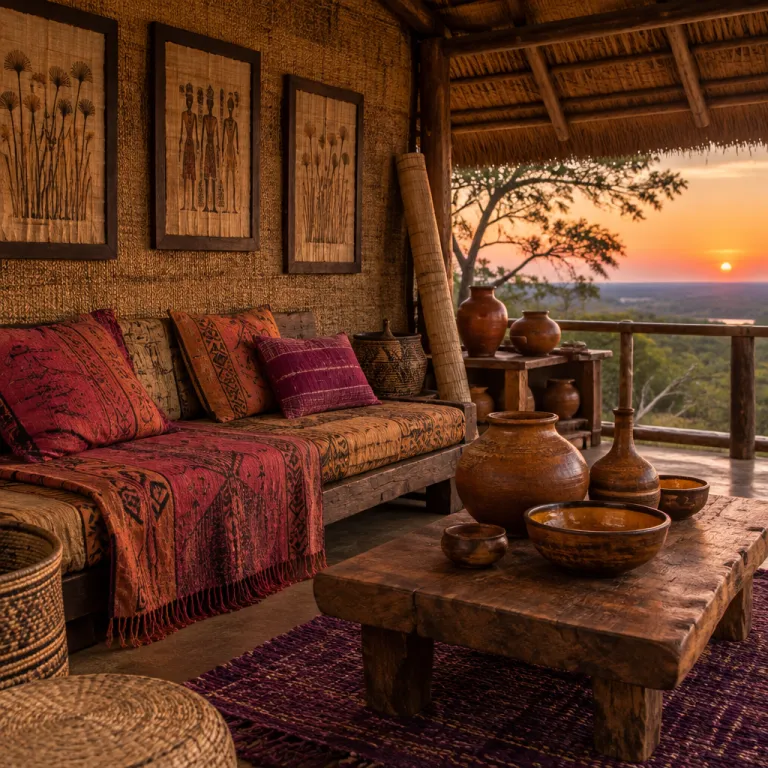
Uganda lodge design as a new language of place
Uganda lodge design is moving away from anonymous safari styling. The most interesting lodges in Uganda now treat the forest as the lead architect, letting the landscape dictate every line of the building and every interior decision. For guests who split time between boardrooms and gorilla trekking, this shift creates spaces that feel both efficient and quietly transporting.
Across Bwindi and the wider Bwindi Impenetrable Forest region, architecture is finally acknowledging that a gorilla forest is not a backdrop but a living neighbour. At Silverback Lodge and other Bwindi lodges overlooking the national park hills, decks are pulled back from the forest edge so mountain gorillas keep their sanctuary, while interiors echo the forest canopy through layered textures rather than themed décor. This is lodge design that respects the national park first, then layers in comfort for guests who arrive with high expectations shaped by global luxury frontiers.
Design-led lodge projects in Uganda now brief architects to start with materials that are locally sourced, not flown in. Timber is specified from certified forest concessions such as FSC-approved suppliers, stone is quarried within a short drive, and bark cloth panels are commissioned from artisans who have worked these trees for generations. At some Bwindi properties, managers report that more than 70% of interior finishes by value are now produced within Uganda, a figure echoed in internal audits shared with tour partners such as Abercrombie & Kent. For the business-leisure traveller, that means a Uganda lodge stay where the story behind each surface is as considered as the thread count on the bed.
Bark cloth, papyrus and clay as the new luxury frontiers
The most compelling Uganda lodge design stories begin with bark cloth. In Bwindi and around other national park gateways, interior designers are using this traditional material as wall panels, headboards and acoustic baffles, turning what was once a rural staple into a refined design language for the modern lodge in Uganda. The result is a quiet, matte warmth that no imported fabric can match.
Forest lodge teams along the edge of Bwindi Impenetrable National Park now pair bark cloth with papyrus and reed weaving, commissioning local cooperatives to create pendant lights, pool-side screens and textured ceilings. At Silverback Lodge, for example, the papyrus shades in the main lounge are supplied by the Buhoma Women’s Weaving Cooperative, while a Kibale-based group produces reed panels for a sister property. This approach is especially evident in properties influenced by a new design lodge playbook, where architectural language is defined by climate-smart, locally sourced materials rather than decorative excess. As one Kampala-based designer notes, “every material has to earn its place by performing in this climate.” Clay follows the same logic, with hand-thrown ceramics replacing generic glassware and tiles, so every cup of coffee before gorilla trekking carries the weight of a potter’s hand.
For design-literate guests, these details change how a safari or gorilla forest stay feels. Abercrombie & Kent clients arriving from a carefully curated itinerary now expect a lodge design that tells a Ugandan story, not a generic colonial one, and hand-thrown clay basins or papyrus-wrapped columns deliver that narrative instantly. When you run a hand across a bark cloth panel after a day in the impenetrable forest, the connection between nature, craft and architecture becomes tangible.
From colonial safari clichés to a Ugandan design lodge identity
Many early safari lodges in Uganda borrowed heavily from a colonial script. Dark timber, brass hurricane lamps and opera house style drapery were imported as shorthand for luxury, even when the surrounding forest and national park landscapes told a very different story. That era is fading fast as Uganda lodge owners and architects embrace a more grounded aesthetic.
In Bwindi and Queen Elizabeth National Park, new building briefs now prioritise cross ventilation, shaded verandas and low-slung roofs that sit quietly within the landscape. Instead of mimicking an opera house lobby, public spaces open directly to nature, with furniture layouts oriented toward the forest or savannah rather than a bar counter. Marasa Africa properties and independent operators alike are commissioning Ugandan designers who understand that architecture here must negotiate heavy rain, red dust and the needs of both guests and wildlife.
This shift is not just visual; it is ethical. When a forest lodge replaces imported chandeliers with woven papyrus lights, it keeps more of each room night within the local economy and reduces freight emissions across the national park network. As one lodge manager near Uganda Bwindi explains, “our sourcing agreements specify that at least half of our decorative budget goes to local cooperatives, and we review those contracts annually with community leaders.” For travellers booking through Abercrombie & Kent or other high-end safari specialists, asking how a lodge uses locally sourced craft has become as relevant as asking about the pool temperature or the gorilla trekking logistics.
How craft commissioning supports communities and sanctuaries
Behind every bark cloth panel or clay vessel in a Uganda lodge design project sits a network of artisans. In villages around Bwindi Impenetrable and Kibale Forest National Park, bark cloth makers, weavers and potters are finding new markets through long-term contracts with forest lodge operators. At some Bwindi lodges, managers estimate that a single commissioning cycle can involve more than 40 individual artisans across weaving, ceramics and carpentry, a figure recorded in supplier rosters shared with conservation partners. This commissioning turns heritage skills into reliable income, which in turn reduces pressure on the forest as a resource of last resort.
Some of the most thoughtful properties operate almost like a sanctuary for craft, mapping which community can supply which materials and then designing interiors around those capabilities. A lodge in Uganda that specifies hand-thrown tiles for its pool surround or clay lamps for its suites is not just making an aesthetic choice; it is underwriting livelihoods that make conservation more viable. At one Bwindi forest lodge, for instance, the pool deck tiles are produced by a Rubuguri ceramics group that also supplies basins to a Marasa Africa camp in Queen Elizabeth National Park. When guests understand that their room rate helps fund a weaving cooperative or a bark cloth workshop, the line between national park sanctuary and village becomes less stark.
This community focus also reframes the relationship between visitors and the gorilla forest. Rather than treating mountain gorillas as the only attraction, lodges highlight the human cultures that have lived beside the impenetrable forest for generations, often through curated objects and stories in the rooms. For a deeper perspective on how indigenous knowledge shapes hospitality beyond any lodge rating, many design-aware travellers now seek out background on the Batwa trail and Karamojong homesteads before they arrive, using that context to read the spaces they stay in.
Reading the room: how to assess genuine lodge craftsmanship
Design-literate travellers can quickly tell when a Uganda lodge design narrative is authentic. Start with the materials you touch first: the chair under you, the cup in your hand, the textile behind your head. If staff can name the village where a bark cloth panel or woven tray came from, and explain how it was made, you are likely in a lodge in Uganda that takes locally sourced craft seriously.
Look beyond the obvious safari references to see how architecture and interiors respond to climate and context. A forest lodge that orients rooms toward the national park canopy, uses deep overhangs instead of heavy air conditioning and specifies clay tiles that stay cool underfoot is thinking about nature as a design partner. In contrast, a building that could be anywhere, with sealed glass, bright white walls and imported chandeliers, is probably leaning on a generic safari script rather than a grounded design lodge approach.
Ask specific questions before you book, whether through Abercrombie & Kent, another specialist tour operator or directly with the property. Who made the ceramics in the restaurant, and are they hand-thrown or factory produced; does the pool deck use timber from a certified forest or composite alternatives; how are sourced materials audited to ensure they are truly locally sourced and not just assembled on site? The most confident operators will answer clearly, often proudly, because for them lodge design is not a marketing line but a long-term commitment to Uganda’s landscapes and communities.
Where gorilla trekking, architecture and interiors meet
In Bwindi and other gorilla forest regions, the line between outside and inside is thin by design. After hours of gorilla trekking through the impenetrable forest, guests return mud-splashed and exhilarated, and the best lodges anticipate this with generous boot rooms, drying spaces and tactile interiors that can handle real safari life. Clay tiles, hardwood benches and bark cloth accents age gracefully under this traffic, unlike delicate imported finishes.
Properties such as Silverback Lodge and other camps near Bwindi now choreograph the journey from trail to terrace with architectural precision. You move from a hose point to a shaded veranda, then into a lounge where papyrus lamps cast soft light over hand-thrown ceramics and woven textiles, all echoing the forest palette outside. This is where the work of global consultancies like Luxury Frontiers intersects with hyper-local craft, creating lodge design that feels both internationally polished and unmistakably Ugandan.
For travellers who arrive via safari circuits arranged by Abercrombie & Kent or similar operators, these details matter as much as the gorilla sightings themselves. Sanctuary-style properties in Uganda now compete not only on access to mountain gorillas and national park views but on how convincingly their interiors speak the language of place. When architecture, sourced materials and locally sourced craft align, the lodge becomes a quiet sanctuary where the memory of a silverback’s gaze lingers in every surface you touch.
FAQ
How is bark cloth used in modern Uganda lodge interiors?
Contemporary lodges in Uganda use bark cloth as wall panels, headboards, acoustic treatments and sometimes as framed artworks. Designers value its soft texture, natural colour variations and strong cultural roots in communities around Bwindi and other forest regions. When properly sealed and backed, it performs well in humid national park climates.
What should I look for to confirm that lodge materials are locally sourced?
Ask the lodge to name the specific communities or cooperatives that supplied key items such as ceramics, woven pieces or bark cloth. Genuine operators can usually describe their sourcing relationships, including how often they commission work and how artisans are paid. You can also look for small maker marks, slight variations and hand-finished details that indicate craft rather than mass production.
Does choosing a design-focused lodge help conservation in Uganda?
Staying at a lodge that invests in local craft and sourced materials can support conservation indirectly. When artisans around Bwindi Impenetrable and other national parks earn reliable income from lodge commissions, they are less dependent on extracting resources from the forest. Many properties also channel part of their revenue into community projects that reduce pressure on wildlife habitats.
How does lodge architecture affect the gorilla trekking experience?
Thoughtful architecture makes gorilla trekking days more comfortable and less intrusive for the environment. Features such as mud rooms, shaded walkways, natural ventilation and durable clay or stone finishes help guests transition from the forest without tracking impact into sensitive interiors. Low-profile buildings and careful lighting also reduce disturbance to wildlife near the lodge.
Are pools compatible with eco-conscious lodge design in Uganda?
Pools can fit within an eco-conscious lodge design if they are sized modestly, use efficient filtration and are integrated into the landscape. Some lodges use natural stone surrounds and plantings to blend the pool into the forest or savannah setting. Asking about water sourcing and treatment will help you gauge how responsibly a property manages this amenity.