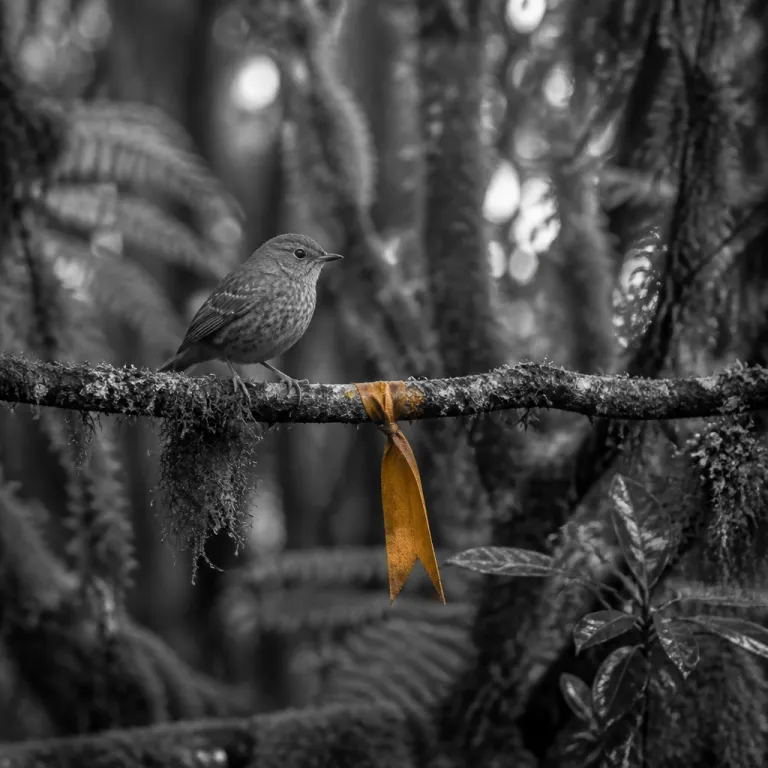
The first 30 seconds with a Uganda birding guide
Your Uganda birding day starts long before the first bird appears. A seasoned Uganda birding guide is already reading the forest edge, the light, and the wind while you are still adjusting your binoculars. In those first quiet moments, the gap between what a guest sees and what a guide registers is at its widest.
On a pre dawn start near Bwindi Impenetrable Forest, an expert guide hears three bird species before you have zipped your fleece. They pick out a distant African green broadbill, a bar tailed trogon, and the soft hoot of a wood owl, turning the dark forest into a map of birds and habitats. This is where uganda birding becomes less about a checklist and more about translation between forest language and human curiosity.
Specialist Uganda birding guides work like conductors in a very crowded orchestra. They know that more than 1,070 bird species are recorded in Uganda, over half of all those in Africa, and that every national park and forest holds its own cast. In the first 30 seconds on a trail, they scan canopy layers, listen for contact calls, and watch how mixed flocks move, while most visitors only notice the obvious birds near the path.
On a birding safari in an Ugandan national park, that early assessment shapes your entire day. A guide may decide to follow a fruiting fig tree rather than a popular viewpoint, because they know which bird species are feeding there that week. For you, it feels like a relaxed walk ; for them, it is a precise strategy to turn a general safari into one of the best birding safaris in East Africa.
Even outside the forest, the same instinct applies in savannah parks. On the approach road to Murchison Falls National Park, a guide is already calling out larks, weavers, and raptors from the vehicle window. By the time you reach the falls national viewpoint, they have quietly built a list of species recorded that many casual birders would miss entirely.
Albertine Rift endemics and the art of habitat reading
The Albertine Rift is where uganda birding becomes a global obsession. This steep, folded edge of the African continent runs from Lake Albert through Bwindi Impenetrable Forest towards the Virunga volcanoes, compressing altitudes and habitats into a narrow corridor. For serious birding tours, these slopes are the non negotiable heart of any itinerary.
Uganda holds 24 Albertine Rift endemic bird species, and Bwindi Impenetrable Forest alone shelters 23 of them in its tangled valleys. On a guided walk here, a specialist guide is constantly matching micro habitats to target birds, from mossy gullies for the handsome francolin to bamboo fringes for the stripe breasted tit. They know that in this impenetrable national landscape, moving 200 metres along a contour can mean an entirely different cast of birds.
During a structured birding tour in the Albertine Rift, the guide’s field craft is almost invisible. They use bird call recognition, field guides, and mobile apps, but the real skill lies in predicting where a shy bird will cross a trail or pause in a shaft of light. While you are watching a sunbird, they are already listening for the faint contact note of a grauer’s warbler deeper in the forest.
Local Uganda birding guides often start training as children, walking these forest paths long before they ever held a formal guide licence. Many are self taught, building expertise by shadowing older guides, working with national park authorities, and joining safaris Uganda operators on repeated birding safaris. That informal pipeline produces guides who can identify bird species by call alone, then later refine their knowledge through workshops and certification.
On the Mgahinga Gorilla National Park slopes near Kisoro, the same Albertine Rift logic applies. Here, a Uganda birding guide will time your ascent to catch birds at different elevations, from montane forest to afro alpine zones. Between sightings, they quietly manage pace, safety, and comfort, turning a demanding trail into a polished luxury experience that still feels like a wild African forest adventure.
For guests balancing bird watching with wellness, some high end lodges now pair serious morning birding with thoughtful downtime. A few properties even offer a spa that overlooks a waterhole, or a forest bath designed for teenagers, allowing non birders in the group to enjoy curated wellness while others pursue more intense birding Uganda experiences. This blend of habitat level specificity and hospitality detail is what separates a routine national park visit from a truly elevated birding safari.
Bwindi, Kibale, Murchison and Queen Elizabeth: four very different birding days
Uganda’s headline parks are often grouped together in safari brochures, yet for birding they could not be more distinct. Bwindi Impenetrable Forest is a steep, humid stronghold of Albertine Rift endemics, while Kibale National Park is a slightly gentler forest where primates and birds share the canopy. Murchison Falls and Queen Elizabeth National Parks, by contrast, are wide open savannah and waterway landscapes where birds and big game intersect.
In Bwindi, a Uganda birding guide will plan short, intense walks that work with the terrain rather than against it. The focus is on forest bird species that matter to global bird watching, from the African green broadbill to Shelley’s crimsonwing, and on the subtle differences between valley bottoms and ridge lines. Here, birding safaris are about patience, listening, and accepting that some of the best birds appear only after an hour of quiet waiting.
Kibale’s birding tours feel different from the first step into the forest. The canopy is slightly higher, the understorey more open, and the soundtrack dominated by chimpanzees and turacos, which changes how a guide manages your attention. A good guide will weave bird watching between primate encounters, using moments when chimpanzee troops settle to pick out forest birds that share the same fig trees.
On the Nile banks in Murchison Falls National Park, the rhythm shifts again. Here, a birding safari blends boat and vehicle, with shoebills in papyrus, bee eaters on sandy cliffs, and raptors riding thermals above the falls national gorge. A Uganda birding guide will often suggest an early river cruise, then a game drive, using the changing light to show you different birds and mammals in the same day.
Queen Elizabeth National Park, sometimes called Elizabeth National Park in older guidebooks, is where water defines the experience. The Kazinga Channel boat cruise is one of the best birding tours in East Africa for combining large mammals with dense concentrations of birds along a single waterway. For a deeper sense of Uganda’s aquatic landscapes, pair this with more intimate waterway experiences such as the curated Kazinga Channel and Lake Bunyonyi journeys highlighted in specialist lodge location guides about defining waterway experiences.
Across these four parks, a strong Uganda birding guide adjusts pace, expectations, and even vehicle routes. They know when to linger at a seasonal pool in Mburo National Park, when to push on towards a fig tree in Queen Elizabeth, and when to suggest a quiet afternoon on a lodge deck for casual bird watching. The result is a sequence of birding safaris Uganda wide that feel tailored rather than templated, even when you are following classic routes.
How Uganda’s birding guides learn their craft
Behind every polished birding safari in Uganda lies years of quiet training. The country’s most respected guides often start as village children walking to school along forest edges, learning bird calls before they ever see the birds themselves. That early immersion in African soundscapes becomes the foundation for later professional expertise.
Formal training now exists through guiding schools, national park authority programmes, and partnerships with local tour operators. Trainees study bird species identification, ecology, and guest handling, often using field guides, binoculars, and structured checklists on supervised tours. They also learn to use mobile apps for bird identification, integrating modern tools into traditional listening skills.
Informal learning remains just as important for Uganda birding guides. Many spend years as porters or assistant guides on birding tours, absorbing route choices, timing, and the subtle art of reading guests’ energy levels. They watch how senior guides balance the needs of serious listers with those of partners who are more interested in landscape photography or general wildlife watching.
One core objective of this training pipeline is conservation awareness. Guides are taught that eco tourism growth, increased birding tours, and conservation initiatives are interlinked, and that their work can support both local livelihoods and habitat protection. As one training manual puts it without embellishment : “What are Albertine Rift endemics? Bird species found only in the Albertine Rift region. How many endemic species are in Uganda? Uganda hosts 24 Albertine Rift endemic bird species. Best time for birding in Uganda? Dry seasons: December February and June August.”
Experienced guides also learn to collaborate with researchers and national park authorities. They contribute to species recorded lists, share notes on unusual bird species movements, and sometimes assist with scientific surveys in remote forest blocks. This constant feedback loop keeps their knowledge sharper than any printed guidebook.
For luxury travelers booking through high end operators, the key is to ask directly about your guide’s background. Request a named Uganda birding guide with specific Albertine Rift experience, ask how many years they have led birding safaris Uganda wide, and check whether they regularly work in Bwindi Impenetrable and other key national parks. A serious operator will answer with clarity, not vague assurances.
Booking the right guide and enjoying birding as a non birder
Choosing the right Uganda birding guide is as critical as choosing the right lodge. When you book a luxury stay near a national park or forest, the default arrangement is often a generalist guide who splits time between big game drives and occasional birding. That works for casual interest, but it rarely unlocks the full depth of Uganda birding potential.
For a focused birding safari, request a specialist by name through your tour operator or directly with the property. Ask whether the guide regularly leads birding safaris in Bwindi Impenetrable Forest, Kibale, Murchison Falls, and Queen Elizabeth National Parks, and whether they are comfortable targeting specific Albertine Rift endemics. Clarify if your days will be private, which allows the guide to adjust pace and focus to your level of bird watching experience.
Solo travelers often worry about over committing to intense birding tours. The reality is that a good guide will calibrate the day to your energy, mixing slow forest walks with relaxed time on a lodge veranda where birds come to you. In parks like Lake Mburo and Mburo National Park, for example, short walks near camp can produce excellent bird species lists without long drives.
If you are traveling with a partner or family who are not birders, design the itinerary with parallel pleasures. While you head out on a dawn birding Uganda walk, they might enjoy a late breakfast, a spa treatment, or a gentle nature trail. Later, you can reunite for a shared safari drive where the guide balances birds, mammals, and landscape watching so everyone feels included.
Water based stays can be particularly forgiving for mixed interest groups. Properties on Lake Victoria’s quieter shores, for instance, offer refined island stays where you can bird from a canoe at first light, then spend the afternoon by the water with no pressure to chase every call. Curated guides to these refined island stays on Lake Victoria’s quiet shores highlight how well designed lodge locations can turn casual bird watching into a seamless part of slow travel.
For the non birder, the key is to treat a day with a Uganda birding guide as a field lesson in noticing. You do not need to remember every bird species name ; instead, focus on how the guide reads the forest, the way they use sound, and the stories they tell about how birds, people, and landscapes fit together in this corner of Africa. By the time you leave the Albertine Rift, you may not call yourself a birder, but you will never walk through a forest or across a national park in quite the same way again.
FAQ
What makes Uganda such a strong birding destination in Africa ?
Uganda combines more than 1,070 recorded bird species with a compact geography, which means you can move between savannah, wetland, and montane forest in a single trip. The country holds over half of all bird species found in Africa, including 24 Albertine Rift endemics that are major targets for global birding tours. This density of habitats and species allows a well planned birding safari to feel both efficient and deeply varied.
Where are the best places in Uganda for Albertine Rift endemics ?
The core sites for Albertine Rift endemic bird species in Uganda are Bwindi Impenetrable Forest and Mgahinga Gorilla National Park, both in the south west. Bwindi holds 23 of the country’s 24 Albertine Rift endemics, while Mgahinga adds high altitude species linked to the Virunga volcanoes. Serious Uganda birding itineraries usually include several days in these forests to allow for weather, trail conditions, and the naturally elusive behaviour of many target birds.
How is a specialist Uganda birding guide different from a general safari guide ?
A specialist Uganda birding guide can identify most local birds by sight and call, often at long distance or in poor light. They plan routes and timing around specific bird species and habitats, rather than focusing primarily on large mammals or scenic viewpoints. General safari guides are excellent for broader wildlife watching, but they usually lack the depth needed for targeted birding safaris or for building long, accurate species recorded lists.
When is the best time of year for birding in Uganda ?
The most reliable periods for birding Uganda wide are the drier seasons, typically from December to February and from June to August. Trails in forests such as Bwindi and Kibale are more manageable then, and many birds are more active and vocal. Some migrants add seasonal interest, but the core resident bird species can be seen throughout the year with a skilled guide.
What should I pack for a birding safari in Uganda’s forests and parks ?
For a comfortable birding safari, bring quality binoculars, a light rain jacket, and sturdy footwear suitable for steep or muddy forest trails. Insect repellent, a wide brimmed hat, and neutral coloured clothing help in both national parks and forest reserves. Many Uganda birding guides also recommend a small notebook or digital checklist so you can track bird species seen across different habitats.