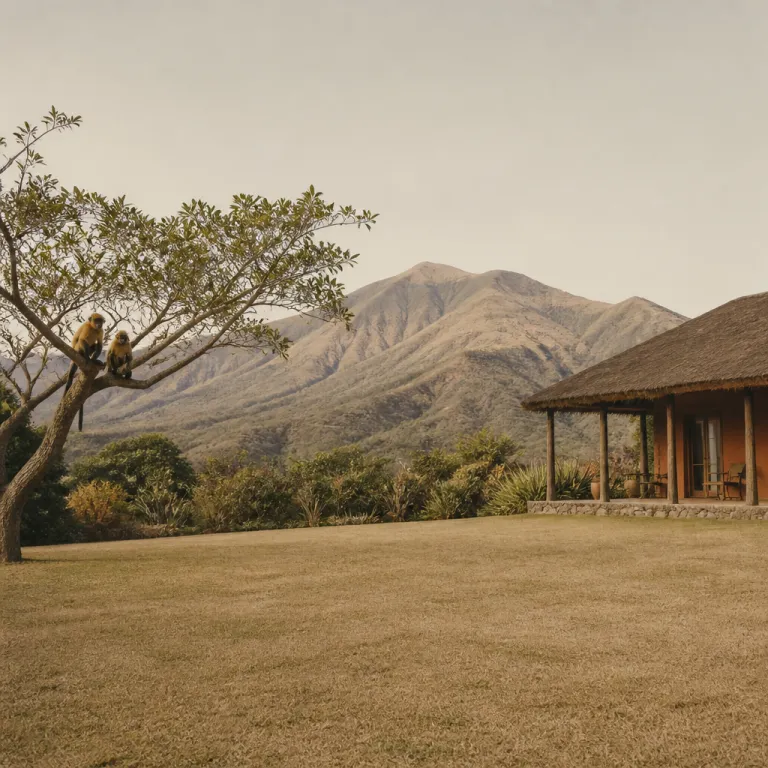
Why a mgahinga national park lodge belongs on a family safari map
Families planning a first safari in Uganda often default to Bwindi Impenetrable National Park and its famous mountain gorillas. Yet a carefully chosen mgahinga national park lodge places you inside a smaller, quieter park where golden monkeys share the same Virunga volcanoes as the gorilla national forests, and where children can ease into trekking without the pressure of a once in a lifetime gorilla permit. In this compact national park, the rhythm feels gentler, the trails shorter, and the sense of space far greater than its 33.7 km² would suggest.
Mgahinga Gorilla National Park sits at the southern tip of Uganda, pressed against the Virunga volcanoes that also define Rwanda and the Democratic Republic of Congo. From a well located lodge near mount Gahinga or facing the slopes of mount Sabinyo, you look directly into a chain of volcanoes that frame every safari drive, every guided walk, and every quiet hour on the terrace. For a premium family, this means less time in vehicles and more time walking from accommodation to trailhead, with the park boundary often just beyond the garden fence.
The lodges that serve this national park are fewer than around Bwindi, but that scarcity is part of the appeal. A thoughtfully run mgahinga national park lodge will usually offer private guiding, flexible meal times for children, and staff who know the gorilla tracking teams by name, which matters when you are planning a big day on the slopes. Compared with many lodges in Bwindi, the atmosphere here leans towards intimate campfire conversations and early nights, not late bar service and crowded decks.
Golden monkey tracking from your lodge garden: age limits, effort and reliability
Golden monkey tracking is the experience that quietly turns Mgahinga into a family favourite, and a mgahinga national park lodge within a short drive of the gate makes it logistically simple. Unlike gorilla trekking, which has a minimum age of 15 in Uganda, golden monkey excursions in this park can often welcome younger teenagers, though you should always confirm current age policies with your lodge and the Uganda Wildlife Authority. The physical effort is lighter than most gorilla tracking routes in Bwindi Impenetrable National Park, because the golden monkeys tend to feed at lower altitudes on gentler slopes.
From properties such as Gahinga Lodge or a well positioned community camp near the boundary, you typically drive only a few minutes to the park offices before meeting your ranger. Groups are smaller than many gorilla safaris in Bwindi, which means more time to watch the golden monkeys leap through bamboo and less time waiting for other trekkers to catch up. Sightings are remarkably reliable in this national park, because the habituated troops stay within a known home range on the lower flanks of the Virunga volcanoes.
For families used to North American hiking, the golden monkey trails feel like a moderate day walk rather than an expedition, and a good mgahinga national park lodge will provide walking sticks, packed snacks and advice on layers. Children often find the golden monkeys more engaging than the solemn mountain gorillas, because the primates are constantly moving, playing and vocalising in the canopy. If you are pairing Mgahinga with a stay at a higher profile property such as Clouds Mountain Gorilla Lodge above Bwindi, this lighter day in Mgahinga becomes the playful counterpoint to a more intense gorilla trekking experience.
Gorilla permits, volcano trekking and the quiet power of a smaller park
Gorilla permits for Mgahinga Gorilla National Park are often easier to secure than those for Bwindi, simply because fewer travellers think to base themselves at a mgahinga national park lodge. The habituated mountain gorillas here move between the bamboo and Hagenia forest on the slopes of the Virunga volcanoes, and when they are firmly on the Ugandan side, the gorilla tracking can feel almost private. For a premium family willing to be flexible on dates, this national park offers a realistic chance of aligning gorilla trekking, golden monkey tracking and a volcano hike in a single stay.
Volcano trekking options fan out from the park headquarters, and a good lodge will help you match each mount to your family’s fitness. Mount Sabinyo is the most dramatic, with a summit that touches Uganda, Rwanda and Congo, but its ladders and steep sections make it better for strong teenagers than younger children. Mount Gahinga and Mount Muhabura offer slightly different profiles, with Gahinga Lodge often hosting guests who choose the gentler mount Gahinga trail, while more ambitious hikers tackle the longer Muhabura route that climbs above a crater lake.
Because Mgahinga is so compact, you can return to your accommodation after a demanding trek and still have time for a slow afternoon by the fire or a short walk through the local community. Families who care about wellness programming can look to the kind of thoughtful spa and recovery concepts described in this piece on gorilla day recovery and crater lake wellness, then ask their chosen mgahinga national park lodge how they support tired legs after a long day on the volcanoes. If you are combining Mgahinga with other regions of Uganda, such as the coffee focused retreats in the Rwenzori foothills highlighted in our guide to coffee lodges and farm based stays, Mgahinga becomes the high altitude primate chapter in a broader itinerary.
Where to stay: lodges, community camps and lake views around Mgahinga
The accommodation landscape around Mgahinga is compact but surprisingly varied, and the right mgahinga national park lodge depends on how close you want to sleep to the trailheads. Gahinga Lodge sits almost at the park boundary, with views of mount Gahinga and Sabinyo that make the volcanoes feel like part of the garden, and its style suits families who want full service comfort with easy access to guided activities. A short drive away, properties closer to Kisoro town offer simpler hotel style rooms and faster access to shops, banks and the small airstrip, which can be reassuring for parents travelling with younger children.
On the edge of the park, community run options such as Amajambere Iwacu Community Camp and the wider Iwacu community projects provide a different kind of luxury, one measured in cultural proximity rather than thread count. Staying here places you closer to the Batwa cultural experiences that are woven into the history of this national park, and many families choose to split their nights between a full service lodge and a night or two in a community camp. This combination allows children to see how tourism revenue supports schools, guides and conservation work around Mgahinga Gorilla National Park.
For travellers who prefer water views, the lake resort style properties around Lake Mutanda offer a compelling alternative to a hilltop mgahinga national park lodge. From a deck above the lake, you can watch canoes slide across the water with the Virunga volcanoes as a backdrop, then drive to the park for gorilla tracking or golden monkey excursions. Some families choose to base themselves entirely at Lake Mutanda and commute to the park, while others split time between lakeside lodges and lodges in Mgahinga to balance serenity with proximity.
Designing a family itinerary: from golden monkeys to Bwindi’s deeper forests
A well paced family itinerary built around a mgahinga national park lodge usually starts with a night in Kisoro town to shake off the journey. From there, two or three nights near the park allow time for golden monkey tracking, a moderate volcano hike and a Batwa cultural walk, with rest afternoons built in for younger travellers. Because the park is small, you can return to your lodge between activities, which keeps days flexible and avoids the long transfers that can exhaust children on a wider Uganda safari.
Many premium families then drive north towards Bwindi Impenetrable National Park, using Mgahinga as a gentle primate introduction before the more demanding gorilla trekking in Bwindi. The contrast is striking ; Bwindi’s lodges cluster along steep forested ridges, and the atmosphere feels busier, with more vehicles, more guides and more gorilla tracking groups leaving each morning. By arriving here after time in Uganda’s smallest national park, your children already understand the briefing process, the etiquette around mountain gorillas and the rhythm of a primate focused day.
Others choose to reverse the order, starting with a flagship Bwindi stay and then retreating to the quiet of Mgahinga for a final few nights. In this pattern, the mgahinga national park lodge becomes a decompression space, where golden monkeys and golden sunsets replace the intensity of back to back gorilla safaris. Whether you move from Bwindi to Mgahinga or the other way round, the pairing creates a primate arc that feels both varied and coherent, anchored by two very different but complementary national parks.
Why quiet matters: photography, birding and the case for Uganda’s smallest park
For wildlife photographers and birders travelling with children, the quiet of Mgahinga is not a romantic notion ; it is a practical advantage. Fewer visitors mean less pressure at key sightings, more time to compose images of golden monkeys in the bamboo and a better chance of hearing subtle bird calls along the forest edge. A mgahinga national park lodge that understands photographers will help you plan early starts, pack breakfasts and coordinate with rangers who know where the habituated groups of golden monkeys and mountain gorillas last fed.
The park’s position within the Virunga volcanoes corridor also makes it a rewarding stop for birding families who are building life lists together. Trails that climb towards the volcanoes pass through distinct habitat bands, and children quickly learn to associate certain species with bamboo, Hagenia woodland or open montane grassland. When you return to your accommodation, guides can help log sightings, turning the lodge lounge into an informal classroom where Uganda’s national bird and its less famous neighbours share the same notebook.
Quiet also shapes the human experience around the park, from unhurried conversations with the Iwacu community to evenings at Amajambere Iwacu Community Camp where the fire is the main entertainment. In a travel landscape where Bwindi and other national parks can feel increasingly busy, Mgahinga offers a different kind of luxury for premium families. Here, the real upgrade is not a bigger hotel suite but the space to stand on the lawn of your lodge at dawn, watch mist lift off the volcanoes and know that the golden monkeys are already awake in the forest above you.
FAQ: planning a family stay at a mgahinga national park lodge
Is Mgahinga suitable for children compared with Bwindi Impenetrable National Park ?
Mgahinga is often more suitable for children than Bwindi because the park is smaller, the trails for golden monkey tracking are generally shorter, and the altitude is slightly lower on many routes. Families can base themselves at a mgahinga national park lodge close to the gate, which reduces transfer times and allows easy returns if younger travellers tire. Bwindi offers exceptional gorilla trekking, but its steeper terrain and longer days can be more demanding for less experienced hikers.
How many days should a family spend at a mgahinga national park lodge ?
Most premium families should plan at least three nights at a mgahinga national park lodge to balance activity and rest. This allows one day for golden monkey tracking, one for a volcano hike or Batwa cultural trail, and a flexible day that can include gorilla tracking if permits and fitness levels align. Shorter stays are possible, but they compress the experience and leave little room for weather changes or tired children.
Can I combine gorilla tracking in Mgahinga with gorilla trekking in Bwindi on one trip ?
Combining gorilla tracking in Mgahinga Gorilla National Park with gorilla trekking in Bwindi Impenetrable National Park is entirely feasible and often rewarding. Many travellers secure gorilla permits in both parks, using Mgahinga for a quieter, more intimate encounter and Bwindi for its iconic deep forest atmosphere. Your chosen lodges in Mgahinga and Bwindi can coordinate transfers, packed meals and guiding to make the transition smooth for the whole family.
What type of accommodation is available near Mgahinga for premium families ?
Accommodation options range from full service lodges such as Gahinga Lodge, which offer high comfort and guided activities, to community camps like Amajambere Iwacu Community Camp that focus on cultural immersion. Lake resort properties around Lake Mutanda provide another style of stay, with water views and easy access to the park by road. Premium families often mix these options, spending some nights in a mgahinga national park lodge near the gate and others at a lakeside retreat.
How far is Mgahinga from Kisoro town and regional airports ?
Mgahinga Gorilla National Park lies a short drive from Kisoro town, with most lodges located between 30 minutes and one hour from the small airstrip depending on road conditions. Scheduled flights from Entebbe or other Ugandan hubs typically land in Kisoro, after which lodge vehicles or private transfers handle the final stretch to your accommodation. This relative proximity makes Mgahinga a practical choice for families who want a remote feeling national park without extremely long road journeys.