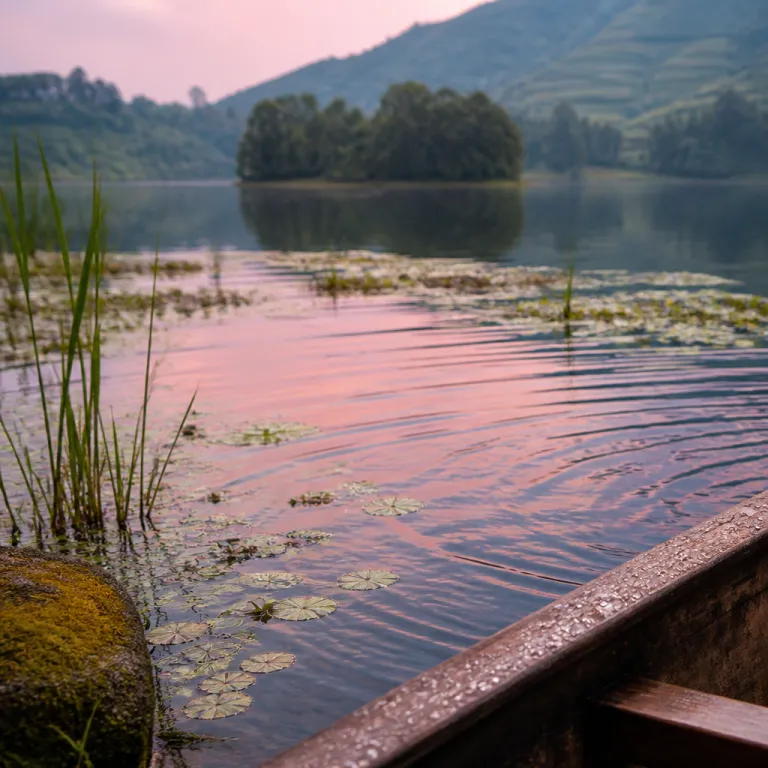
Why Kabale and Lake Bunyonyi define Uganda’s quiet luxury
Kabale and Lake Bunyonyi form a serene highlands enclave for refined travelers. This south western corner of Uganda pairs cool air with mirror-still water, creating a natural amphitheatre for slow travel and discreet comfort. Around Lake Bunyonyi, luxury is measured less in marble lobbies and more in silence, space, and attentive service.
The lake sits in the hills of western Uganda, close to the Rwanda–Uganda border, and it feels worlds away from city noise. Formed when volcanic activity blocked a valley, this Uganda lake now stretches across about 46 km², with steep terraced slopes and a necklace of 29 islands. Many lakes in Uganda are beautiful, yet Lake Bunyonyi stands apart for its intimate scale, its birds, and its reputation as one of Africa’s deeper highland waters. Depth estimates vary between surveys, with most modern studies placing the maximum at roughly 40–45 metres, so it is safest to say that while it is not the continent’s second deepest lake, it is unusually deep for its size.
For travelers comparing lakes Uganda wide, the Kabale–Lake Bunyonyi basin offers a rare mix of safety, culture, and comfort. The water is bilharzia-free and crocodile-free, so swimming is considered safe, unlike in some other island lake destinations. Luxury and premium lodges such as Birdnest Resort and Arcadia Lodges include local stone, timber, and crafts in their design, turning each resort into a quiet gateway between the highlands and the water.
From a hospitality perspective, Bunyonyi, Uganda is a textbook case of low-impact development. Early pioneers such as Leonard Sharp, an Anglican missionary who once worked in Kabale, helped put the region on the map, and today’s hosts build on that legacy with thoughtful service. Many properties now brand themselves as a Bunyonyi eco retreat or full eco resort, using solar power, rainwater harvesting, and limited boat traffic to protect the shores and lake environment.
Travelers who have already cruised the Nile or stayed near Lake Mburo often come here next, seeking a softer rhythm. They find that Lake Bunyonyi complements gorilla national park safaris perfectly, offering a place to rest between treks. The contrast between the dense forests of a gorilla national reserve and the open water of this island lake makes an itinerary feel complete.
Choosing a luxury or premium stay around Lake Bunyonyi
Booking a high-end stay on Lake Bunyonyi starts with understanding the lay of the lake. Most premium resorts cluster along the northern and eastern shores, where access from Kabale town is easiest and the view lines are widest. Other retreats sit on private islands across the water, reached only by canoe or motorboat, which adds seclusion but also requires more planning.
On the mainland, you will find a mix of classic resort-style properties and smaller Bunyonyi eco lodges that focus on sustainability. These mainland lakeside resorts usually offer easier transfers, more spacious rooms, and direct vehicle access, which suits travelers with heavier luggage or limited mobility. Island-based eco resort stays, by contrast, trade some convenience for a sharper sense of escape, with water on all sides and birds calling from every direction.
When comparing options, look carefully at how each resort uses its shoreline. Some places build right to the water’s edge, while others set rooms higher on the slopes to maximise the view over the islands and lake panorama. Elevated decks often give the best view of sunrise mist drifting across the Lake Bunyonyi surface, while lower platforms provide quicker access to swimming and canoeing.
Many premium properties now highlight curated waterway experiences, from guided canoe trips to sunset cruises. For a deeper sense of how lakes in Uganda shape lodge locations, resources such as this guide to canoeing on Lake Bunyonyi and boating on the Kazinga Channel offer useful context. These experiences help you understand how a resort’s position on the shores and lake corridor influences everything from light to wildlife viewing.
Luxury travelers should also consider how each property integrates with wider western Uganda itineraries. Some resorts arrange transfers to gorilla national park trailheads, while others focus on relaxation and bird watching only. If you plan to continue toward Lake Mburo or the Nile corridor after Bunyonyi, Uganda, choose a place whose concierge team can coordinate multi-stop logistics smoothly, including links to domestic airstrips such as Kisoro or Kihihi where relevant.
Nature retreats and eco resorts: where comfort meets conservation
The most compelling stays around Kabale and Lake Bunyonyi are those that treat nature as a partner. A true Bunyonyi eco retreat does more than reuse towels; it aligns architecture, energy use, and guest activities with the rhythms of the lake. This approach has turned several properties into case studies for sustainable luxury in south western Uganda.
Eco resort design here often steps back from the waterline, leaving reeds and papyrus intact to filter water and shelter birds. Rooms are usually terraced along the highlands slopes, so every guest enjoys a clear view of the islands without heavy construction on the fragile shores and lake zone. Many lodges use local stone and eucalyptus poles, which blend into the landscape and reduce transport emissions compared with imported materials.
Operational choices matter just as much as architecture. Solar panels now power many Bunyonyi eco properties, while gravity-fed systems move water from hillside tanks down to rooms and kitchens. Some resorts include organic gardens on site, supplying vegetables and herbs to the restaurant and reducing the need for daily deliveries from Kabale or beyond.
For travelers who prioritise sustainability credentials, it helps to understand Uganda’s broader tourism direction. The national tourism authority has joined global initiatives that promote responsible travel, and articles such as this analysis of the Uganda Tourism Board’s partnership on serious sustainability standards explain what that means in practice. Around Lake Bunyonyi, these policies translate into quieter boat engines, controlled building footprints, and more support for community guides.
Guests can reinforce these efforts through their own choices. Selecting an eco resort that employs local staff, sources food from nearby farms, and offers low-impact activities such as guided walks or canoeing helps keep Bunyonyi, Uganda both prosperous and pristine. Over time, this model can influence other lakes Uganda wide, from Lake Mburo to more remote Uganda lake destinations in the north.
Cultural narratives: punishment island, Leonard Sharp, and local life
Beyond its scenery, Kabale and Lake Bunyonyi hold stories that shape how visitors experience the place. The most talked about is Punishment Island, a tiny outcrop once used by some communities to abandon unmarried pregnant women. Today, visiting Punishment Island invites reflection on changing social norms and the resilience of those who survived such harsh customs.
Guides from Kabale and surrounding villages often include Punishment Island in half-day canoe tours. They explain how families once paddled unmarried pregnant daughters to this island lake, leaving them with little water or food, and how some men later rescued and married them. Hearing these accounts while floating between the islands and lake cluster gives the story a sharp emotional edge that no guidebook can match.
Another layer of history comes from early European presence around Bunyonyi, Uganda. Leonard Sharp, an Anglican missionary doctor, worked in the Kabale region and helped establish medical and educational services that still influence local life. While his legacy is complex, many residents acknowledge that his efforts contributed to the area’s reputation as a place of learning and relative stability in western Uganda.
Modern cultural experiences feel gentler but no less meaningful. Village walks often include visits to terraced farms, schools, and churches, where you can see how the highlands economy still depends on the lake and its islands. Evening performances of traditional music and dance, sometimes hosted at your resort, offer a softer counterpoint to the stark history of Punishment Island.
Responsible travelers should approach these narratives with humility and respect. Ask permission before taking photos, buy crafts directly from artisans, and let local voices lead the storytelling whenever possible. In doing so, you help ensure that Kabale and Lake Bunyonyi remain not just a scenic Uganda lake, but a living cultural landscape where tourism supports dignity rather than erasing the past.
Designing an itinerary: from gorilla forests to highland lakes
Lake Bunyonyi fits naturally into a wider circuit of national parks and lakes in Uganda. Many travelers pair a stay here with gorilla tracking in Bwindi Impenetrable National Park or Mgahinga Gorilla National Park, creating a balance between forest intensity and lakeside calm. After hours on steep gorilla national trails, the still water and open view at Bunyonyi in the highlands feel like a reward.
A classic route through south western Uganda might start in Entebbe, then follow the road past Lake Mburo National Park before turning toward Kabale. From there, you descend into the highlands basin where Bunyonyi, Uganda lies, ringed by terraced hills and small islands. Continuing onward, some itineraries cross the Rwanda–Uganda border, linking Lake Bunyonyi with Volcanoes National Park for a cross-border gorilla national experience.
Travelers interested in water-based landscapes can design a themed journey across several lakes Uganda wide. You might begin with boat safaris on Lake Mburo, continue to the Kazinga Channel between Lake Edward and Lake George, then end with canoeing on Lake Bunyonyi. Each Uganda lake along this route offers a different mood, from wildlife-rich shores to quiet highland bays.
For those with more time, it is possible to connect the highlands with the Nile corridor and even Uganda’s north-eastern frontier. Articles on destinations such as Karamoja’s quiet frontier of luxury show how remote regions are developing premium stays that complement Bunyonyi eco retreats. Linking these areas creates a narrative that runs from island lake tranquility to savannah expanses and, finally, to the Nile’s broad waters.
Whatever route you choose, build in at least two or three nights on Kabale and Lake Bunyonyi. This allows time for a Punishment Island visit, a village walk, and unhurried hours on your resort deck watching birds skim the water. Rushing through would miss the point; this is a place that rewards stillness and slow observation.
Practical booking advice for premium stays on Lake Bunyonyi
Securing the right resort on Kabale and Lake Bunyonyi requires attention to detail. Start by deciding whether you prefer a mainland base near Kabale or an island retreat reached by boat. Mainland properties suit travelers who value quick road access, while island stays offer sharper separation from everyday life.
When comparing Bunyonyi, Uganda options, examine how each resort handles transport, meals, and guided activities. Some include transfers from Kabale town in their rates, while others charge separately for boat crossings to islands across the lake. Packages that include canoe trips, guided walks, and cultural visits often provide better value than paying for each activity individually.
Room categories deserve close scrutiny as well. Elevated suites usually command higher rates because they offer the most expansive view over the lake and its islands, especially at sunrise. Lakeside cottages, by contrast, bring you closer to the water’s sounds, from gentle waves to the calls of birds that nest along the shores and lake fringe.
Ask each resort about its environmental practices and community partnerships. A genuine eco resort should be able to explain how it manages water use, waste, and energy, and how it supports nearby villages through employment or sourcing. Properties that market themselves as Bunyonyi eco retreats without such measures may not align with the responsible travel values many guests now hold.
Finally, consider seasonality and temperature when planning your stay. The highlands around Kabale and Lake Bunyonyi can feel cool, especially at night, with typical lows between 10–14°C and daytime highs around 20–25°C, so pack warm layers even if you are coming from hotter parts of Uganda or Rwanda. Booking slightly longer stays outside peak holiday periods such as July–September and December–February often yields sharper rates and a quieter atmosphere, letting you enjoy the lake at its most tranquil.
On the water: activities, safety, and the bunyonyi overland experience
Life at Kabale and Lake Bunyonyi revolves around the water, and so do most activities. Canoeing between the islands offers a gentle way to appreciate the highlands scenery and the intricate pattern of terraced slopes. Motorised boat trips cover more distance, but many travelers prefer the quiet rhythm of paddles dipping into the lake.
For those wondering about safety, local guidance is clear: "Yes, it’s bilharzia-free and safe for swimming." This makes Lake Bunyonyi unusual among major lakes in Uganda, where parasites or crocodiles often limit water contact. Resorts typically mark safe swimming zones near their jetties, and some provide life jackets for extra reassurance.
Bird watching is another highlight of Bunyonyi, Uganda, with kingfishers, herons, and weavers among the most visible species. Early morning and late afternoon bring the sharpest activity, as birds skim low over the water and call from papyrus stands along the shores and lake margin. Many guides combine birding with cultural stops, turning a simple island lake circuit into a full day of varied experiences.
Overland access to the region has improved, making the so-called Bunyonyi overland route more comfortable than in the past. Roads from Kampala and Mbarara to Kabale are mostly paved, and the final descent to the lake now takes less time, though it still winds through steep highlands. Travelers coming from the Rwanda–Uganda border posts also find relatively straightforward connections, which helps integrate Lake Bunyonyi into regional circuits.
Some visitors like to compare this calm Uganda lake experience with more dramatic water landscapes such as the Nile rapids near Jinja. Each place offers its own character; where the Nile thrills with speed and spray, Kabale and Lake Bunyonyi soothe with stillness and layered views of islands across the lake. Choosing both within one trip gives a rounded sense of how water shapes travel across western Uganda and beyond.
Key figures for Kabale and Lake Bunyonyi
- Lake Bunyonyi covers roughly 46 km² in south western Uganda, making it one of the larger highland lakes in the region while still feeling intimate compared with vast bodies such as Lake Victoria (data referenced from regional geographic surveys).
- The lake contains about 29 islands, ranging from tiny rocky outcrops like Punishment Island to larger inhabited islands with schools and churches, which creates exceptional variety for canoe routes and resort locations (figures widely cited in Ugandan tourism materials).
- Maximum recorded depth is commonly reported at around 40–45 metres, though some sources suggest deeper points; because measurements differ, travelers should treat dramatic "second deepest" claims with caution and focus instead on the lake’s striking steep-sided basin (depth estimates reported by specialist Uganda travel resources and regional hydrological studies).
- The distance from Kampala to Kabale and Lake Bunyonyi is approximately 410 km by road, translating into a full day’s drive of eight to ten hours and encouraging travelers to plan at least a multi-night stay rather than a rushed visit (route data from national road travel guides).
FAQ: planning a luxury stay on Kabale and Lake Bunyonyi
Is Lake Bunyonyi safe for swimming from luxury resorts?
Lake Bunyonyi is widely regarded as safe for swimming because it is free from bilharzia and crocodiles, unlike some other lakes in Uganda. Many premium resorts designate specific swimming areas near their jetties and provide life jackets on request. Guests should still follow local guidance on weather conditions, avoid swimming alone or far from shore, and be cautious with children or weaker swimmers.
What activities can I expect at high-end lodges on Lake Bunyonyi?
Luxury and premium lodges typically offer canoeing, guided island tours, bird watching, and cultural visits to nearby villages. Some properties also arrange day trips to nearby national parks for gorilla tracking or game viewing, especially in Bwindi or Lake Mburo areas. On site, you can usually enjoy lakeside dining, spa treatments, yoga decks, and relaxed time on terraces overlooking the islands and lake.
How do I reach Kabale and Lake Bunyonyi from Kampala or Kigali?
From Kampala, most travelers drive about 410 km via Mbarara and Kabale, a journey that usually takes eight to ten hours on paved roads depending on traffic and stops. From Kigali in Rwanda, the drive to Kabale and onward to Lake Bunyonyi is shorter, often taking four to five hours depending on the border crossing. Many resorts can arrange private transfers from either city or from nearby airstrips used by domestic flights, typically landing at Kisoro or Kihihi before a road transfer.
How many days should I spend at Lake Bunyonyi on a premium itinerary?
For a luxury or premium trip that also includes gorilla national park visits or other national parks, two to three nights at Lake Bunyonyi is a comfortable minimum. This allows time for a Punishment Island excursion, a village walk, and at least one unhurried day on the water. Travelers seeking deeper rest between busy safari days often extend to four or five nights to enjoy the cooler highlands climate and slower pace.
Can Lake Bunyonyi be combined with gorilla tracking and other lakes in Uganda?
Lake Bunyonyi combines very well with gorilla tracking in Bwindi or Mgahinga, as both parks lie within driving distance of Kabale. Many itineraries also include Lake Mburo or the Kazinga Channel, creating a circuit of contrasting water landscapes and wildlife experiences. Working with a specialist operator or a resort concierge helps coordinate transfers, domestic flights, and permits smoothly across these destinations in western Uganda and the wider Rwanda–Uganda region.