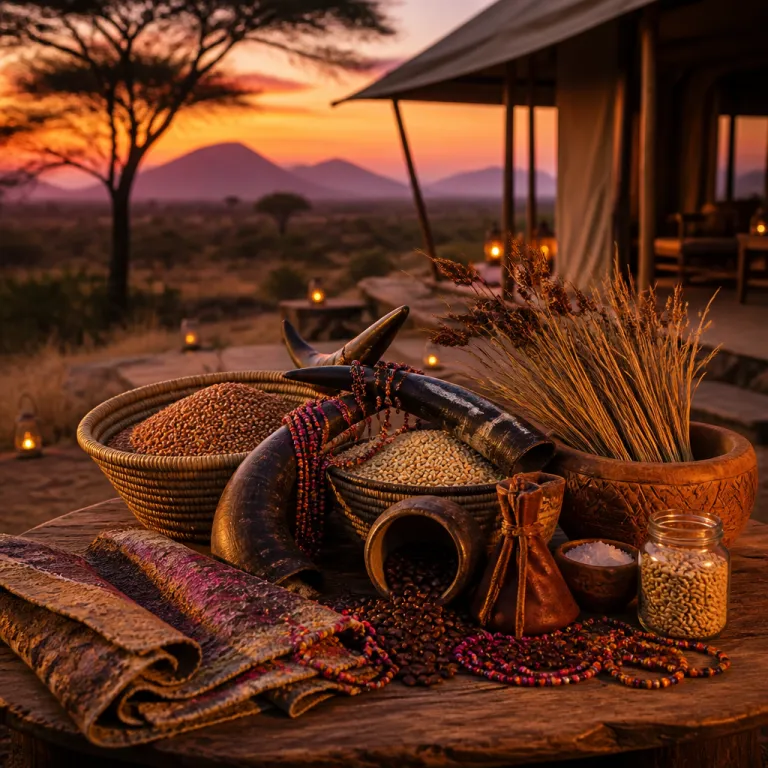
Why uganda karamoja belongs on a luxury traveller’s map
Uganda’s Karamoja sub-region lies in the north eastern corner of the country, a vast semi arid frontier where golden savannah meets volcanic mountain ranges. This remote area covers about 27 528 km² and feels dramatically different from the lush, equatorial landscapes that most people associate with Uganda’s national parks. For travellers seeking premium lodges and refined service away from crowds, Karamoja offers a rare blend of wilderness, culture, and genuine exclusivity.
The Karamojong people, an indigenous ethnic group of semi nomadic pastoralists, shape the character of this part of Uganda more than any hotel ever could. Their traditional cattle culture, striking jewellery, and age set ceremonies give Moroto and the surrounding district a sense of living heritage that luxury guests can respectfully encounter through curated experiences. As one local guide near Mount Moroto explains, “When visitors sit with elders by the kraal, they understand that cattle are our bank, our history, and our pride.” When you book high end stays here, you are not just reserving a room near a national park; you are entering a partnership with communities whose livelihoods still depend on pastoralism and small scale agriculture.
Karamoja faces recurring droughts, past conflicts, and persistent poverty, yet the region is changing through integrated natural resource management and carefully managed tourism. Development of infrastructure has opened safer access to Mount Moroto, Kidepo Valley National Park, and remote village landscapes without turning them into mass market destinations. According to recent briefings from the Uganda National Roads Authority and the Civil Aviation Authority, upgraded roads and airstrips now link Moroto with Kampala and the wider north eastern frontier. For discerning travellers, that means you can enjoy privacy, attentive service, and tailored guiding while your stay supports local goals to improve living conditions and promote sustainable development across the Karamoja region.
Choosing where to stay in moroto and the wider karamoja region
Moroto town is the main gateway to Karamoja and the most practical base for travellers who want comfort with easy access to remote landscapes. Several premium lodges sit on the lower slopes of Mount Moroto, offering spacious suites, polished service, and panoramic views across the north eastern plains. Properties such as Mount Moroto Hotel, Kara-Tunga Safari Camp, and selected boutique eco lodges provide ensuite rooms, chef driven menus, and private verandas. From these bases, you can reach both the rugged highlands and the lowland village communities in under an hour by 4x4, which keeps transfer times short and experiences relaxed.
When comparing luxury options in Moroto and the wider Karamoja region, look beyond room size and ask how each property engages with the Karamojong people and their cattle based livelihoods. The most responsible hotels employ local staff, source food from nearby farms, and work with village elders to design respectful cultural visits that do not turn traditional ceremonies into staged performances. Ask whether your lodge partners with local communities and government agencies on projects such as water access, education, or rangeland management, because those details show how your stay contributes to the long term resilience of the district.
Solo travellers considering a journey through Karamoja often worry about safety and logistics, yet curated itineraries and private drivers make the region surprisingly manageable. For a deeper sense of what independent travel in eastern Uganda feels like, consult a dedicated solo travel field guide to Uganda that explains how to move confidently when nobody is waiting for you back at camp. Once you understand the semi arid climate, the single rainy season, and the need for proper health precautions, you can choose a lodge whose concierge team is experienced in arranging tailored excursions across Karamoja and beyond, including scenic hikes, cultural visits, and extensions to nearby national parks.
Hidden gem lodges near kidepo valley and other national parks
Kidepo Valley National Park is the crown jewel of Uganda’s north east, yet it still receives far fewer visitors than more famous reserves in the south. Luxury camps on the park boundary offer uninterrupted views of the sweeping plains, where herds of buffalo and cattle sometimes graze within sight of wild zebra and antelope. From a premium tented suite at properties such as Apoka Safari Lodge or Adere Safari Lodge, you can watch dawn mist lift over the Kidepo Valley while enjoying service that rivals the best lodges elsewhere in Uganda, with private game drives, bush breakfasts, and sundowners on remote ridges.
For travellers who prefer ultra quiet stays, smaller properties in the wider Karamoja region provide access to both Kidepo and lesser known reserves without the bustle of larger safari hubs. These lodges often combine game drives in the national park with guided walks to nearby village communities, where you can meet Karamojong people and learn how pastoralism and agriculture coexist in a semi arid landscape. Some itineraries pair Kidepo with Murchison Falls National Park, creating a contrasting journey from the dramatic Nile cataract to the remote north eastern savannah in a single trip, with charter flights or long overland routes linking these flagship protected areas.
Birders and slow travel enthusiasts will find that Karamoja complements the country’s reputation as a quiet birding capital. While central and western lodges focus on forest species, high end camps in eastern Uganda and the Karamoja region specialise in dry country birds and wide open scenery. Species such as the Karamoja apalis, ostrich, and secretary bird reward patient observers. For travellers who value unhurried wildlife watching, a thoughtful guide to slow safaris and the lodges built for them can help you choose between Kidepo, Murchison Falls, and other national parks in Uganda that match your pace.
Cultural immersion with the karamojong people in comfort
Staying in Karamoja gives you rare access to the daily life of the Karamojong people, whose identity is closely tied to cattle, age sets, and clan structures. Carefully designed visits to a manyatta, the traditional homestead village, allow guests to observe beadwork, dance, and herding routines without intruding on private rituals. The best luxury lodges limit group sizes and schedule visits in consultation with community leaders, which protects dignity while still allowing meaningful encounters that feel authentic rather than choreographed.
Many travellers are especially interested in the role of female elders and artisans within this ethnic group, because their jewellery and textiles often appear in gallery quality photos and travel magazines. When your lodge arranges a cultural experience, ask whether you can purchase beadwork or woven items directly from women’s cooperatives, rather than from anonymous market stalls. That approach ensures that income flows straight to the people who create these traditional pieces and helps preserve skills that might otherwise be lost as younger generations move towards town based livelihoods and formal employment.
Respect is essential when taking pictures or filming videos in any village across Karamoja. Always request permission before photographing individuals, especially children and female community members, and follow your guide’s advice on when cameras are inappropriate. Many lodges now brief guests on ethical photography and encourage sharing selected images with hosts afterwards, which helps balance the desire for memorable photos with the need to protect privacy and cultural integrity. Simple gestures, such as showing people their portraits on your screen or printing a few images for your next visit, can strengthen trust.
Using images, stock pictures, and royalty free visuals responsibly
Luxury travellers often return from Karamoja with striking pictures of Mount Moroto, cattle herds, and the vast plains of the north eastern frontier. These personal images can be powerful memories, yet they rarely capture the full context of life in a semi arid region where droughts and conflicts have shaped history. When you share photos from the Karamoja region online, consider adding captions that explain how pastoralism and agriculture support about 1.4 million people across this area, drawing on figures from the Uganda Bureau of Statistics and regional development reports.
Travel brands and content creators frequently rely on Karamoja stock photography, royalty free collections, and curated stock pictures to illustrate articles about eastern Uganda. When selecting stock images, choose visuals that show both the beauty of the landscape and the dignity of the Karamojong people, rather than only focusing on hardship or exoticism. Many picture libraries now label sets as royalty free or rights managed, so verify usage rights carefully before integrating them into marketing for a hotel, a national park itinerary, or a broader destination campaign, and keep a record of licences for future reference.
If you plan to license your own Karamoja photos as free photos or commercial stock, ensure that any identifiable individuals have given informed consent. Ethical agencies increasingly require model releases for village portraits, especially when female subjects or children appear prominently in the frame. By treating your images and stock pictures with the same care that premium lodges apply to guest privacy, you help maintain trust between travellers, hosts, and the wider Karamoja community, and you contribute to a more accurate visual narrative of this semi arid region.
Planning a high end itinerary across eastern uganda and beyond
A refined journey through Karamoja usually begins or ends in Kampala or Entebbe, where international flights connect easily with domestic charters to Moroto or airstrips near Kidepo Valley National Park. Many luxury travellers combine the Karamoja region with Murchison Falls National Park, creating an itinerary that moves from river based wildlife viewing to remote savannah and finally to the volcanic slopes of Mount Moroto. This arc across eastern Uganda and the north eastern frontier offers a sense of progression, with each district revealing a different facet of the country’s ecology and culture.
When choosing a premium hotel booking website for Uganda safari and Karamoja stays, prioritise platforms that show transparent community partnerships and clear environmental policies. Look for listings that explain how lodges manage water in a semi arid climate, support local schools, or participate in peacebuilding initiatives that have followed past disarmament efforts documented by government and UN development reports. Industry events in Kampala now highlight these standards, and recent global travel trade gatherings in the capital signal that Uganda is positioning itself as a serious destination for discerning luxury visitors.
To build a balanced itinerary, allow at least three nights near Kidepo Valley National Park, two nights in Moroto for cultural and mountain excursions, and several nights near Murchison Falls if you include the Nile corridor. This pacing respects the distances involved across northern Uganda and gives you time to adjust to the semi arid climate without rushing. As one regional briefing succinctly puts it, “Pastoralism and agriculture” remain the main livelihoods in Karamoja, so every extra night you spend in the area deepens your understanding of how tourism can support more resilient futures for both land and people.
Key figures and practical statistics for uganda karamoja travel
- The Karamoja region covers about 27 528 km², making it one of the largest sub regions in Uganda by land area, which explains why transfers between a national park, a village, and Moroto can take several hours even on good roads (source : Uganda Bureau of Statistics and national mapping data).
- The projected population of Karamoja stands near 1.4 million people, concentrated in several district centres and scattered pastoral settlements, so travellers should not expect dense urban services outside Moroto and a few trading towns (source : Uganda Bureau of Statistics population projections).
- Karamoja experiences a semi arid climate with a single rainy season, meaning that luxury travellers often find the clearest skies and best long range views during the dry months, while green season brings more dramatic clouds over Mount Moroto and the surrounding plains (source : regional climate assessments and meteorological summaries).
- Recent development programmes have increased agricultural practices alongside pastoralism, which affects how cattle movements intersect with wildlife corridors near Kidepo Valley National Park and other conservation areas in Uganda, so responsible lodges coordinate closely with local communities when planning activities (source : government and UN development reports on land use and conservation).
- Peacebuilding efforts and infrastructure development over the past two decades have significantly improved road access across eastern Uganda and the north eastern frontier, reducing travel times between Kampala, Murchison Falls, and Karamoja, although some routes still require 4x4 vehicles (source : national transport and tourism authorities and security briefings).
FAQ about luxury and premium stays in uganda karamoja
What is the main livelihood in Karamoja and how does it affect tourism experiences ?
The main livelihood in Karamoja is a combination of pastoralism and agriculture, with cattle herding central to the identity of the Karamojong people. For travellers, this means that many cultural experiences revolve around herding practices, seasonal movements, and village ceremonies. Luxury lodges design activities that allow guests to observe these routines respectfully without disrupting daily work, often with local guides translating songs, stories, and proverbs related to cattle and rain.
What challenges does Karamoja face and should travellers be concerned ?
Karamoja faces recurring droughts, a history of conflicts, and high levels of poverty, but security has improved significantly in recent years thanks to peacebuilding and disarmament initiatives. Travellers who book through reputable operators and stay in established lodges generally find the region safe and well organised. The main practical concerns are the semi arid climate, long distances, and the need to follow local guidance on where and when to travel, especially during heavy rains or when roads are under repair.
What is the climate like in Karamoja and when is the best time to visit ?
The climate in Karamoja is semi arid with a single rainy season, so temperatures can be hot during the day and cooler at night, especially near Mount Moroto. Many luxury travellers prefer the dry months for easier road access and clearer wildlife viewing in Kidepo Valley National Park. Green season visits, however, offer lush scenery and fewer vehicles in the parks, which some guests find more appealing for photography, birding, and slow travel experiences.
How should travellers prepare for health and comfort in uganda karamoja ?
Travellers should prepare for a dry climate by bringing sun protection, light long sleeved clothing, and plenty of hydration options, while following medical advice on vaccinations and malaria prevention before arrival. Premium lodges usually provide filtered water, mosquito nets, and first aid support, but personal medications and travel insurance remain essential. Respecting local customs, dressing modestly in village settings, and listening to your guide’s safety briefings will also enhance comfort and cultural rapport throughout your stay.
Is uganda karamoja suitable for first time visitors to Uganda seeking luxury stays ?
Uganda Karamoja can be suitable for first time visitors who value remoteness, culture, and wildlife over nightlife and shopping, especially when combined with more classic destinations such as Murchison Falls or the southwestern parks. High end lodges in the Karamoja region provide strong guiding, private transfers, and personalised service that simplify logistics for newcomers. Those who prefer very polished urban infrastructure might start with Kampala and western circuits, then add Karamoja on a second trip once they are familiar with travel conditions in the country and ready for a more frontier style adventure.