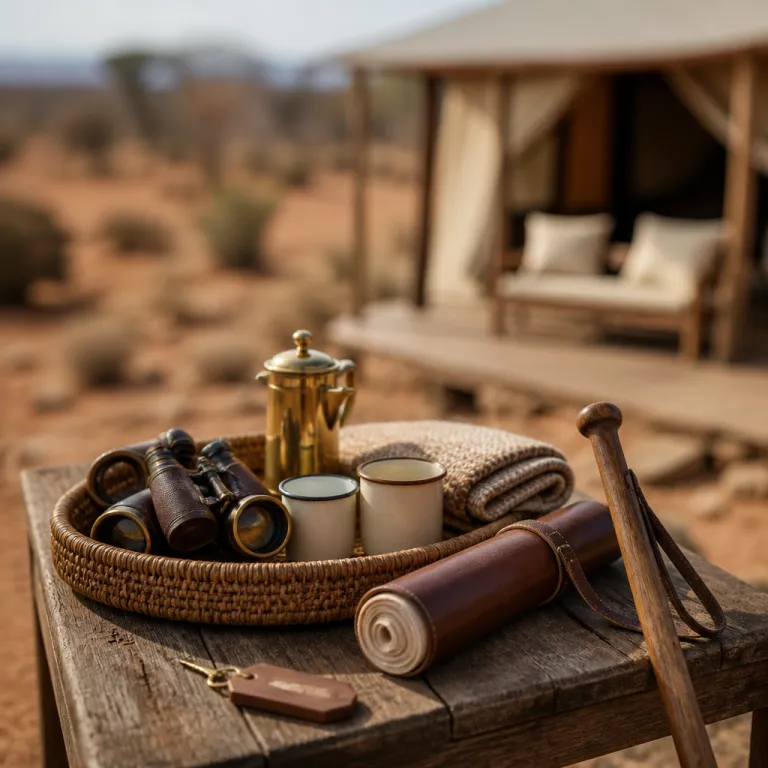
Karamoja reimagined for luxury travellers
Karamoja in north-eastern Uganda is a semi-arid region where golden savannahs meet volcanic ridges and distant mountain ranges. This Karamoja region covers about 27,500 square kilometres, yet it receives only a small fraction of the total visitors who travel through the rest of Uganda for safaris. For travellers seeking privacy and authenticity, that low visitor share translates into rare silence, wide horizons, and a feeling of being far from the crowds that fill other national parks.
The Karamojong people are semi-nomadic pastoralists whose life revolves around cattle and seasonal movement across this semi-arid landscape. According to local guides and district planning reports, “What is the main livelihood in Karamoja? Pastoralism and agriculture,” and this dual focus shapes both the scenery and the cultural heritage that luxury guests encounter during any visit. High-end lodges such as Kara-Tunga Safari Camp in Moroto now work closely with Karamojong elders to ensure that every cultural experience respects traditional conflict resolution practices and supports the preservation of intangible cultural heritage.
Staying in Karamoja Uganda feels very different from a classic safari in other parts of East Africa. You wake to the sound of livestock bells, not traffic, and you may see a line of cattle silhouettes against the sunrise while you sip Ugandan coffee on your veranda. For discerning guests, the appeal lies in this blend of raw African wilderness and carefully curated comfort, where a private plunge pool can overlook a dry riverbed used by both wildlife and community herders.
Where to stay in moroto and the wider karamoja region
Moroto town is the main gateway for travel in Karamoja and the most practical base for exploring the wider Karamoja region in Uganda. Luxury and premium properties here tend to sit on the lower slopes of Mount Moroto, giving guests cooler air and sweeping views across the semi-arid plains. From these elevated terraces, you can trace the routes that Karamojong herders follow with their cattle and other livestock during the dry season.
Several high-end lodges around Moroto now curate immersive cultural experiences with nearby manyattas, the traditional homesteads of the Karamojong. Guests can join guided walks that explain how blood and milk from cattle have historically sustained people in this part of Uganda, while also learning how increasing agricultural practices are reshaping daily life. These visits are always organised with community consent, and they often include conversations about modern education, climate change, and local conflict resolution efforts between clans and across the nearby border with South Sudan.
For travellers planning a longer stay in Karamoja Uganda, it is worth combining Moroto with more remote properties closer to wildlife corridors and seasonal rivers. Some lodges specialise in slow-travel Karamoja itineraries, where each day focuses on one theme such as pastoral life, cultural heritage, or semi-arid ecology. To compare options and plan a route that links Moroto with other regions of Uganda, consult a dedicated luxury guide such as the one on Uganda Karamoja reimagined for luxury travellers.
Hidden wildlife reserves and national parks of karamoja uganda
Beyond the town of Moroto, the Karamoja region opens into some of the most dramatic wildlife landscapes in East Africa. Kidepo Valley National Park lies in the far north-eastern corner of Uganda, bordered by South Sudan and offering sweeping views across the valley plains. Because this national park receives a relatively small percentage of Uganda’s total safari visitors, game drives here often feel like private expeditions.
Further south, Pian Upe Wildlife Reserve protects a vast semi-arid plateau dotted with rocky outcrops and seasonal rivers. This wildlife reserve is one of the largest protected areas in Uganda, yet it remains under the radar for many people who travel primarily to the better-known national parks in the west. For luxury guests, that under-visited status means more exclusive wildlife sightings, from cheetahs on the open plains to large herds of antelope moving between scattered acacia trees.
Several high-end camps now operate near both Kidepo Valley National Park and Pian Upe, offering private vehicles, expert guiding, and flexible day schedules. These properties often position themselves as ideal bases for slow safaris, similar in spirit to the lodges highlighted in this detailed look at Uganda’s slow safari lodges. Guests can spend a full day tracking wildlife, then return to multi-course dinners that showcase regional ingredients and stories from local guides about life in Karamoja Uganda.
Cultural encounters with the karamojong people
One of the defining reasons to visit Karamoja is the chance to engage respectfully with the Karamojong people. These semi-nomadic pastoralists have shaped the region’s identity through their deep relationship with cattle, livestock, and the semi-arid environment. Their cultural heritage includes distinctive dress, age-set ceremonies, and oral histories that link families across the wider Karamoja region and into neighbouring parts of South Sudan.
Luxury lodges now work with community leaders to design cultural experiences that prioritise dignity and mutual benefit. Guests might join a carefully guided evening in a manyatta, listening to songs that recount past journeys across Uganda and stories about how blood and milk from cattle once formed the core of daily nutrition. Hosts explain how water scarcity and climate change are challenging traditional patterns, echoing the local assessment that “What challenges does Karamoja face? Water scarcity and climate change.”
For travellers, these encounters offer more than staged performances; they provide context for the landscapes seen during each day of travel in Karamoja. Understanding how the community negotiates grazing rights, manages conflict resolution, and balances pastoralism with agriculture helps guests appreciate why this part of Uganda remains distinct from the rest of the country. Many visitors leave with a deeper respect for the resilience of the community and a clearer sense of how tourism can support both cultural preservation and practical projects such as boreholes or education funds.
Designing a luxury itinerary across region uganda with a karamoja focus
Planning a high-end journey that centres on Karamoja Uganda requires more thought than a standard circuit of national parks. Distances in this north-eastern region are significant, and road conditions can vary with the seasons in this semi-arid climate. Most travellers choose to combine charter flights with well-planned road transfers, allowing them to experience both aerial views of the Karamoja region and ground-level encounters with people and wildlife.
A typical luxury itinerary might begin in Entebbe or Kampala before heading to Moroto for two or three nights of cultural immersion with Karamojong communities. From there, guests can continue to Pian Upe Wildlife Reserve for walking safaris and then on to Kidepo Valley National Park for classic game drives and scenic sundowners over the valley plains. This route showcases the full spectrum of life in Karamoja, from community homesteads and cattle kraals to remote ridges where only wildlife and a few herders pass each day.
To integrate Karamoja into a broader exploration of Uganda’s regions, many travellers pair it with the crater lakes of western Uganda or the gorilla forests in the south. A practical way to compare accommodation standards and locations is to use a curated regional breakdown such as the one on accommodation in Uganda by region. This helps ensure that the level of comfort in Karamoja matches the rest-of-Uganda portion of the trip, while still preserving the sense of remoteness that defines travel in this frontier area.
Responsible luxury and community impact in karamoja uganda
High-end travel in Karamoja carries a responsibility to support both the environment and the community that calls this region home. Many lodges now employ staff almost entirely from nearby villages, ensuring that a meaningful share of tourism revenue remains within the local economy. This approach aligns with the long-term goal of sustaining traditional life while adapting to new realities in this semi-arid corner of East Africa.
Some properties partner with Karamojong leaders to fund education, water projects, and initiatives that strengthen local conflict resolution mechanisms. These programmes can reduce tensions over grazing land and livestock, especially in areas close to the border with South Sudan where cross-border cattle movements are common. Guests are often invited to learn about these efforts during evening talks, gaining insight into how tourism can help stabilise a region that has historically seen competition over scarce resources.
Environmental stewardship is equally central to responsible luxury in Karamoja Uganda. Lodges near wildlife reserves and national parks invest in solar power, careful water management, and low-impact building techniques suited to the semi-arid climate. When travellers choose operators that prioritise both wildlife conservation and cultural heritage, they help ensure that future visitors will still find thriving communities, healthy cattle herds, and intact ecosystems across the wider Karamoja region.
Key figures and travel statistics for karamoja
- The Karamoja region covers about 27,528 square kilometres, making it one of the largest contiguous semi-arid areas in Uganda, yet it receives far fewer visitors than the western national parks (area estimate from the Uganda Bureau of Statistics, 2016 Statistical Abstract).
- Karamoja’s population is estimated at around 1.4 million people, most of whom belong to the Karamojong and related pastoral communities spread across north-eastern Uganda (population based on UBOS projections for 2020).
- Pastoralism and agriculture together provide the main livelihood for households in Karamoja Uganda, reflecting a mixed economy that responds to both climate variability and market access (UBOS and World Bank livelihood profiles, 2018).
- Water scarcity and climate change are consistently cited by local leaders as the most pressing challenges for life in this semi-arid region, influencing both livestock movements and crop yields (Karamoja Resilience Support Unit climate brief, 2019).
- Kidepo Valley National Park and Pian Upe Wildlife Reserve together protect thousands of square kilometres of savannah and rocky uplands, forming a critical wildlife corridor between north-eastern Uganda and neighbouring South Sudan (Uganda Wildlife Authority management plans, 2017–2025).
FAQ about luxury travel in karamoja uganda
Is karamoja safe for luxury travellers who want to visit remote areas ?
Most parts of Karamoja Uganda that are open to tourism are considered safe for visitors who travel with reputable operators. Security conditions have improved significantly, and lodges work closely with local authorities and Karamojong leaders to monitor any issues. Guests should always follow professional advice on routes, timing, and cultural etiquette when moving through community areas.
What is the best time of year to travel Karamoja for wildlife and culture ?
The dry seasons are usually the best periods to visit Karamoja, because roads are more reliable and wildlife tends to concentrate around remaining water sources. During these months, guests can combine game drives in Kidepo Valley National Park or Pian Upe Wildlife Reserve with cultural visits to manyattas near Moroto. The semi-arid climate means temperatures can be high during the day, so early morning and late afternoon activities are often preferred.
How many days should I plan for a karamoja focused itinerary in region Uganda ?
A well-balanced luxury itinerary that centres on Karamoja Uganda typically requires at least six to eight days. This allows time for two or three nights in Moroto for cultural heritage experiences with Karamojong hosts, followed by several nights split between Kidepo Valley National Park and Pian Upe Wildlife Reserve. Travellers who wish to combine Karamoja with other national parks in the rest of Uganda should consider adding extra days for transfers and slower travel.
What kind of cultural etiquette should visitors respect when meeting the karamojong tribe ?
Guests should always ask permission before taking photographs, dress modestly, and follow the guidance of local hosts when entering homesteads. It is important to remember that cattle and other livestock are central to Karamojong identity, so behaviour around kraals and herds should be calm and respectful. Many lodges provide short briefings on cultural norms, including how to greet elders and how to participate appropriately in songs or dances.
Can luxury travel in karamoja support local conflict resolution and community projects ?
Yes, many high-end lodges in Karamoja Uganda contribute a defined percentage of their revenue to community funds that support education, water access, and traditional conflict resolution initiatives. These programmes often involve Karamojong elders and local authorities, helping to reduce tensions over grazing land and water points. Travellers can ask their chosen property for transparent information about how their stay benefits both the community and the surrounding wildlife areas.