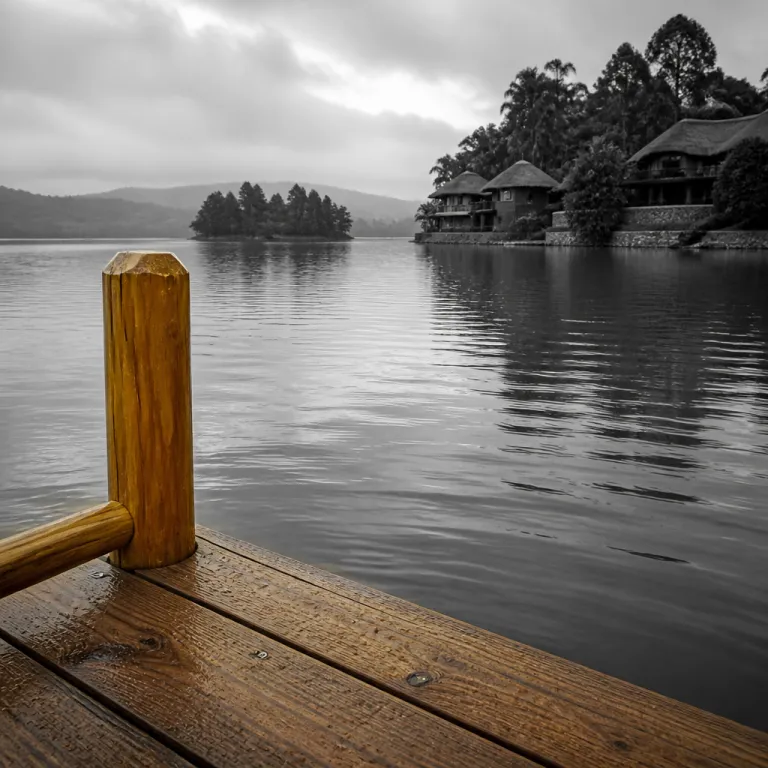
Lake Bunyonyi in Kabale, Uganda: a discreet luxury base between gorilla forests
Lake Bunyonyi in Kabale, Uganda as a discreet luxury base
Lake Bunyonyi in Kabale, Uganda offers a rare mix of quiet seclusion and high end comfort. This serene Uganda lake is a natural freshwater body of water located in south western Uganda, framed by terraced hills and misty ridges that feel far removed from busier safari circuits. Around this graceful Lake Bunyonyi, a new generation of premium lodges and resort style retreats is redefining what lakeside luxury in Africa can mean.
The lake stretches across roughly 46 km², with 29 islands scattered like emeralds across the calm water. Many luxury properties occupy a single island or a private section of the shoreline, so guests can enjoy an uninterrupted view of the surrounding hills, the islands and the distant Kisoro–Kabale road snaking through the highlands. This layout makes Lake Bunyonyi in Kabale, Uganda ideal for travellers who want a refined base between gorilla trekking days in nearby national parks and cultural encounters with Bakiga and Batwa people.
Although some marketing material calls Lake Bunyonyi the second deepest lake in Africa, scientific surveys by Ugandan and international researchers suggest a maximum depth of about 44 metres, which is still impressive for such a compact body of water. A widely cited limnological study by D. M. Livingstone and colleagues, available through regional hydrology journals and the National Environment Management Authority (NEMA) library, reports depth soundings that align with this figure. Whether you focus on the deepest lake debate or not, the sense of depth comes through in the steep hillsides and plunging coves that surround the water. For luxury travellers, that topography translates into dramatic infinity pool views, layered decks above the lake and private fire pits that overlook the islands at sunset.
High end lodges here tend to include curated activities that connect guests with the lake and its people. A typical stay might feature a private canoe tour at dawn to watch birds, followed by a chef led tasting menu that highlights western Uganda produce and lake fish. Many properties also arrange transfers to Bwindi Impenetrable National Park or Mgahinga Gorilla National Park, so guests can pair a Lake Bunyonyi safari style retreat with world class gorilla trekking in a single itinerary. At the more exclusive end, places such as Arcadia Lodges Bunyonyi and Birdnest Resort Bunyonyi offer private boat charters, spa treatments and hosted sundowners that make the lake feel like a discreet, self contained sanctuary.
Hidden island retreats and characterful shores of the lake
The real magic of Lake Bunyonyi lies in its islands, each with a distinct story and atmosphere. Some islands host intimate luxury lodges where every room faces the water, while others remain home to Bakiga families who farm the steep slopes and fish the Uganda lake in dugout canoes. Travellers who value privacy often choose an island resort, then use guided boat transfers to reach Kabale town or nearby attractions.
Bushara Island is one of the best known places for eco focused stays, and it illustrates how premium comfort can coexist with conservation. Here, accommodation is tucked among eucalyptus and indigenous trees, with raised walkways that protect the soil and the delicate body of water below, and guests wake to the sound of birds rather than engines. Many high end operators on Bushara Island and neighbouring islands now include solar power, rainwater harvesting and low impact construction as standard, aligning luxury with sustainability. When you book, look for image captions and gallery alt text that mention features such as “solar powered cottages on Lake Bunyonyi” or “Bushara Island eco lodge jetty at sunrise,” as these usually signal a genuine environmental focus rather than marketing spin.
Not all islands are devoted to leisure; some hold deep cultural resonance for local people. Punishment Island, a tiny outcrop in Lake Bunyonyi, is remembered as a place where unmarried pregnant Bakiga women were once abandoned, and visiting this island with a knowledgeable guide can be a sobering counterpoint to the lake’s beauty. When you visit Lake Bunyonyi and its islands, you engage with layers of history that shape how Bakiga and Batwa people understand this landscape today.
For travellers who want their spending to support local communities directly, community based tourism initiatives around Kabale and the shores of the lake are increasingly sophisticated. Many luxury lodges partner with village cooperatives to offer guided walks, craft workshops and storytelling evenings that are woven into a premium stay rather than added as an afterthought, a shift explored in depth in this analysis of how Uganda’s best luxury experiences now run through villages. When you choose a resort or lodge that foregrounds these partnerships, your visit to Lake Bunyonyi helps sustain both cultural heritage and the fragile lake Africa ecosystem.
From gorilla trekking to lakefront serenity in western Uganda
Lake Bunyonyi sits in a strategic corner of western Uganda, close to the borders with Rwanda and the highlands of Kisoro–Kabale. Many travellers arrive here after intense days of gorilla trekking in Bwindi or Mgahinga, seeking a quieter place to rest aching muscles and process powerful wildlife encounters. In that context, a refined resort on the lakeshore becomes more than a pretty setting; it becomes a restorative finale to a demanding safari.
From Kabale town, the road climbs steeply before dropping towards the water, revealing a sweeping view of the lake and its islands that rivals any panorama in East Africa. On clear days you can see all the way towards the Virunga volcanoes that straddle Uganda and Rwanda, a reminder of the volcanic forces that created this body of water thousands of years ago. That same geology explains why the lake is generally regarded as bilharzia free and has no resident crocodiles or hippos, a status reflected in Uganda Tourism Board destination pages and Ministry of Health travel advisories that describe Lake Bunyonyi as one of the rare African lakes where swimming is considered safe.
Luxury travellers often combine a Lake Bunyonyi safari style stay with more remote adventures in Uganda’s north east, where high end camps now dot the savannah. For a sense of how refined these off the beaten path experiences can be, look at this feature on Karamoja’s quiet frontier of luxury, then imagine returning south to the calm water of Lake Bunyonyi for a final night. The contrast between rugged national park landscapes and the gentle ripples of the lake is part of what makes a western Uganda itinerary so compelling.
Because the lake is located between major gorilla trekking hubs and the Kigali corridor, it also works well for cross border journeys that link Uganda and Rwanda. Some travellers fly into Kigali, drive to the gorilla forests, then unwind at Lake Bunyonyi before continuing to Kampala or Entebbe, while others reverse the route and end with a lakeside stay. Either way, the combination of primate focused safari days and tranquil time on the water creates a balanced rhythm that suits both adventure seekers and those who prioritise slow travel. Typical private transfers from Kigali to Lake Bunyonyi take around four to five hours depending on the border crossing, while the drive from Bwindi trailheads to the lake usually ranges from three to six hours, with costs varying by operator but often starting around US$150–250 per vehicle for shorter legs.
Cultural encounters with Bakiga and Batwa people around the lake
Beyond the scenery, Lake Bunyonyi offers meaningful ways to meet the people who have shaped this landscape for generations. The steep hills around Kabale and Kisoro–Kabale are home to Bakiga communities known for their terraced farming, energetic dances and strong attachment to the land. On the lower slopes and some islands, Batwa people maintain elements of their forest based culture, even as they adapt to life near the water.
Many premium lodges now include guided cultural experiences that go far beyond staged performances. Guests might join a Bakiga family in their fields, learning how they cultivate sorghum and beans on vertiginous terraces that rise above the Uganda lake, then share a meal that reflects seasonal produce from western Uganda. Other programmes invite visitors to hear Batwa people recount their history in the nearby forests and national parks, with translators ensuring that stories are shared respectfully and accurately.
When these encounters are designed well, they enrich both visitors and hosts without turning culture into a spectacle. Look for operators who cap group sizes, pay fair fees to local guides and craftspeople, and clearly explain how your tour revenue is distributed among community members, because transparency builds trust on all sides. Articles such as the piece on how Uganda’s luxury lodges are building a food identity show how thoughtful partnerships can elevate both cuisine and community livelihoods around Lake Bunyonyi and other regions.
Respect is crucial when you visit Lake Bunyonyi and its surrounding villages. Dress modestly when walking through settlements, ask before taking photographs of people and avoid intrusive questions about sensitive topics such as Punishment Island unless your guide indicates that the group is comfortable discussing them. In return, you are likely to be welcomed with warmth, music and a perspective on Lake Bunyonyi that no brochure can match.
Planning a premium stay: choosing the right resort or lodge
Selecting the right property on Lake Bunyonyi in Kabale, Uganda starts with clarifying your priorities. Some travellers want a full service resort with a spa, heated pool and extensive wine list, while others prefer a smaller lodge that emphasises privacy, sustainability and close contact with the water. Both styles exist along the lakeshore and on its islands, so it pays to read recent reviews carefully and ask detailed questions before you book.
If you plan to combine your stay with gorilla trekking or a wider safari, location matters. Properties on the Kabale town side of the lake offer easier access to main roads towards Bwindi, Mgahinga and the Rwanda border, while more remote islands may require longer boat transfers but reward you with deeper quiet and uninterrupted views of Lake Bunyonyi. Consider how many nights you will spend here, how early your gorilla trekking briefings start and whether you prefer to travel by road or water at dawn.
Luxury travellers should also look closely at how each property engages with the environment and local people. Ask whether the lodge treats its own water, manages waste responsibly and supports conservation of birds and other wildlife that depend on this body of water, because eco credentials are increasingly part of true high end hospitality in Africa. It is also worth checking whether your stay will include guided canoe tours, birding walks, cultural visits or a dedicated Lake Bunyonyi safari style cruise, as these experiences often define your memories of the lake more than room size or thread count.
Finally, consider seasonality and climate when you plan to visit Lake Bunyonyi. The area can be surprisingly cool, especially at night, so even premium resorts recommend that guests carry warm clothing alongside swimwear and light layers for daytime on the water. Booking slightly longer stays allows you to balance relaxed hours on your private deck with active days exploring islands, national park excursions and unhurried time in Kabale town’s markets and cafés.
Practical tips for a seamless luxury escape on Lake Bunyonyi
Reaching Lake Bunyonyi usually involves a scenic road journey from Kampala or Entebbe, or a shorter transfer from Kigali in Rwanda. The drive from Kampala to Kabale town covers roughly 410 kilometres, and many travellers break the trip with a stop in western Uganda’s rolling hills or at a national park en route. Private transfers arranged through your resort or safari operator can turn this into a comfortable, fully hosted experience rather than a tiring transit day.
Once you arrive at the lake, movement shifts to the water, with motorboats and traditional canoes linking islands and the mainland. Safety standards have improved significantly in recent years, but you should still insist on life jackets, check weather conditions and avoid overloading boats, especially when travelling with children or carrying camera equipment. Because the lake is free of crocodiles and hippos according to Uganda Wildlife Authority field officers and Kabale District fisheries reports, swimming and kayaking are popular, yet it remains wise to stay close to your lodge’s designated swimming areas and respect local advice about currents.
Wildlife lovers will find that Lake Bunyonyi is as much about birds as it is about big mammals. Kingfishers, herons and weavers thrive along the shores of the lake, and early morning canoe trips often include sightings of otters and other small creatures that depend on this body of water, so bring binoculars and a good zoom lens. While you will not see gorilla families here, the lake’s proximity to gorilla trekking hubs means you can enjoy both primate encounters and tranquil lake days within a single, well planned itinerary.
For many visitors, the most lasting memories of Lake Bunyonyi involve quiet human moments rather than grand vistas. Sharing stories with Bakiga farmers over a cup of local coffee, listening to Batwa people sing around a lakeside fire or watching children paddle home from school at dusk all reveal how deeply life here is tied to the water. When you treat Lake Bunyonyi in Kabale, Uganda not just as a scenic stop but as a living, layered place, your luxury escape becomes part of a wider story that honours both the lake and its people.
Key figures and geography of Lake Bunyonyi
- Lake Bunyonyi covers an area of about 46 km² in south western Uganda, making it a compact yet visually dramatic body of water compared with larger African lakes.
- The lake contains 29 named islands, ranging from tiny rocky outcrops such as Punishment Island to sizeable inhabited islands like Bushara Island that host eco conscious resorts.
- Scientific measurements published in limnological surveys indicate a maximum depth of around 44 metres, which challenges older claims that it is the second deepest lake in Africa but still marks it as a notably deep highland lake.
- The lake is located near Kabale town at approximately 1.2833° south and 29.9167° east, coordinates that appear in Uganda Bureau of Statistics and national mapping data, placing it within easy reach of major gorilla trekking areas and the border with Rwanda.
- Lake Bunyonyi formed when volcanic activity blocked ancient valleys, and this origin explains both its steep surrounding hills and its status as a bilharzia free, crocodile free swimming lake in official tourism and health guidance.
FAQ about Lake Bunyonyi luxury stays
Is Lake Bunyonyi safe for swimming during a luxury stay?
Yes, Lake Bunyonyi is considered safe for swimming because it is bilharzia free and has no crocodiles or hippos, a point repeated in Uganda Tourism Board materials and regional health advisories, which sets it apart from many other lakes in Africa. Most premium resorts designate specific swimming areas and provide kayaks or canoes for guests who want to spend more time on the water. Always follow local safety guidance, wear life jackets when boating and avoid swimming alone, especially at night.
What activities can luxury travellers enjoy at Lake Bunyonyi?
Visitors can enjoy canoeing, guided island tours, bird watching and cultural visits with Bakiga and Batwa people, often arranged directly through their resort or safari operator. Many lodges also offer yoga decks, spa treatments, sunset cruises and curated tasting menus that highlight produce from western Uganda. Because the lake is close to major national parks, it is easy to combine these gentle water based activities with gorilla trekking or traditional game drives.
How far is Lake Bunyonyi from Kampala and how do I get there?
The distance from Kampala to Lake Bunyonyi via Kabale town is about 410 kilometres by road, which usually takes most of a day depending on traffic and stops. Travellers can book private 4x4 transfers through their lodge or join a scheduled safari that includes the lake as part of a wider itinerary. Some visitors also arrive from Kigali in Rwanda, using the lake as a peaceful stop between gorilla trekking and onward flights.
Which national parks pair best with a stay on Lake Bunyonyi?
Lake Bunyonyi pairs especially well with Bwindi Impenetrable National Park and Mgahinga Gorilla National Park, both renowned for gorilla trekking and rich montane forest ecosystems. It also fits into longer western Uganda routes that include Queen Elizabeth National Park for classic savannah wildlife and Kibale National Park for chimpanzee tracking. Many high end operators design itineraries that start with active safari days and end with restful time on the lake.
What should I pack for a luxury trip to Lake Bunyonyi?
Pack warm clothing for cool evenings, light layers for daytime, sturdy walking shoes for village visits and island hikes, and swimwear for the lake or lodge pool. Binoculars and a camera with a good zoom are useful for spotting birds and capturing views of the islands and surrounding hills. If you plan to combine your stay with gorilla trekking, remember to include long trousers, gaiters and waterproof layers suitable for steep, muddy forest trails.
References
- Uganda Tourism Board destination pages on Lake Bunyonyi and western Uganda
- Uganda Wildlife Authority regional office briefings for Kabale and Bwindi–Mgahinga
- Uganda Ministry of Health and Kabale District Local Government tourism and public health advisories
- Limnological surveys of Lake Bunyonyi archived by the National Environment Management Authority (NEMA) and Makerere University Department of Geology and Environment