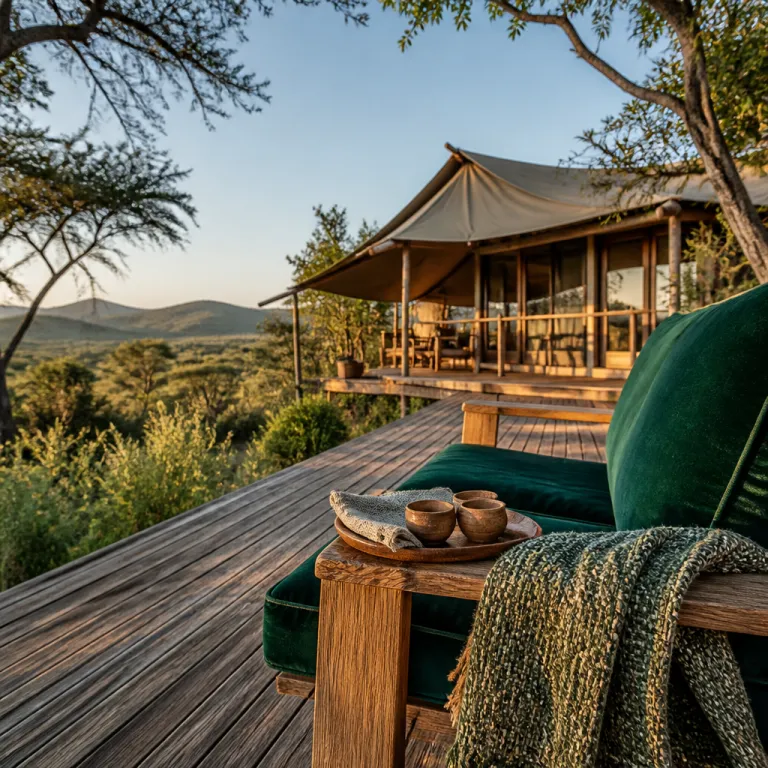
Karamoja sub region as a luxury frontier in Uganda
The Karamoja sub region in north-eastern Uganda feels remote yet increasingly refined. Luxury and premium hotel booking platforms now highlight this semi-arid corner of Uganda as a frontier for high-end experiential travel, not just a rugged outpost. For people seeking rare landscapes and cultural depth, the Karamoja sub region offers a compelling alternative to more familiar safari circuits.
Stretching across about 27,500 square kilometres, the wider Karamoja area is framed by dramatic escarpments, seasonal rivers, and wide golden plains. Uganda Bureau of Statistics (UBOS) regional profiles place the sub region in north-east Uganda between Kidepo Valley National Park and Mount Elgon, giving travellers realistic access to both wildlife and highland scenery within a single journey. For luxury guests, that geography translates into helicopter-friendly distances, scenic fixed-wing hops, and road journeys that can be comfortably broken with premium overnight stays in different districts of Karamoja.
The population of Karamoja is roughly 1.2–1.4 million people according to UBOS mid-year projections, with a high share of residents living in rural settlements. UBOS and UNDP human development reports note that poverty and food insecurity remain significant, which shapes how responsible travel must be designed. When you book a luxury lodge in the Karamoja sub region, you are entering a part of Uganda where human development indicators lag behind the national average, so thoughtful operators build education, water access, and livestock resilience into their business models and report against national or UN baselines.
Hidden gem districts and how to reach them in style
Most travellers first hear about Karamoja through stories of Kidepo safaris, yet the districts between Mount Moroto and the South Sudan border hold quieter treasures. Moroto District, Napak, and Kaabong District form a triangle of hidden valleys, rock outcrops, and seasonal rivers that reward slow, premium travel. For solo travellers and couples, planning through a specialist platform with strong regional knowledge of Karamoja and northern Uganda ensures that transfers, security, and timing are handled with precision.
Moroto District is the natural gateway to the Karamoja sub region, and its small airstrip allows charter flights from Entebbe or other hubs in Uganda. From here, luxury vehicles with trained guides can fan out toward Moroto–Napak, where volcanic peaks rise above the plains and cultural visits with local communities are carefully curated. If you are travelling alone and want to understand how to move safely and independently through this frontier, a solo traveller’s field guide to Uganda offers context that complements the concierge advice from your hotel.
Further north, Kaabong District borders Kidepo and hosts some of the most secluded premium tented camps in East Africa, including properties such as Apoka Safari Lodge and smaller community-linked camps. Here, the population density is low, and the share of households engaged in pastoralism is high, so herds of livestock often share the horizon with giraffes and buffalo. Luxury booking sites that specialise in Karamoja will usually combine Kaabong District with at least one other district in the sub region, allowing guests to experience both wildlife and cultural immersion while maintaining strong security protocols and reliable access to medical evacuation if needed.
Where luxury meets cultural depth in Karamoja
High-end properties in the Karamoja sub region are not about marble lobbies; they are about proximity to cultural life and wild landscapes with exceptional comfort. Many lodges work closely with groups in Karamoja to design visits that respect local customs while giving guests meaningful insight into pastoral traditions. These experiences often include guided walks to seasonal kraals, storytelling sessions around the fire, and visits to women’s co-operatives that are part of wider human development programmes.
The ethnic groups of Karamoja have long histories of livestock herding, and that pastoral identity shapes both daily life and the guest experience. When you stay in a premium camp near Moroto District or in the Moroto–Napak corridor, you may see cattle being moved at dawn while you sip coffee on your veranda, or hear traditional songs drifting across the plains at night. As one community liaison for a Moroto lodge notes, “Guests come for the scenery, but they remember the evenings spent listening to elders explain why cattle, rain, and peace are all connected here.” A detailed perspective on how luxury travel is reshaping this frontier is offered in a luxury traveller’s guide to the north eastern frontier, which many booking platforms now reference when curating itineraries.
Because poverty and food insecurity remain acute in parts of Karamoja, responsible luxury operators integrate sustainable development goals into their operations. Some lodges partner with education projects that improve school access for children from nearby communities, while others support food security initiatives that reduce hunger during lean seasons. At Apoka Safari Lodge, for example, management reports that more than 70 percent of staff are recruited from surrounding districts, and one Moroto-based camp notes that “over 80 percent of our staff come from within a 30-kilometre radius,” with transparent data, often aligned with UBOS or United Nations human development indicators, helping guests see how their stay contributes to long-term security and resilience for local people.
Food, flavours, and elevated dining in a semi arid land
Cuisine in the Karamoja sub region reflects both the semi-arid climate and the creativity of local chefs working with limited but characterful ingredients. Luxury lodges often design menus that weave traditional food staples such as sorghum, millet, and beans into refined dishes that appeal to international palates. Guests might enjoy slow-cooked goat with millet bread one evening, then a lighter vegetarian plate built around seasonal greens and legumes the next.
Because this part of Uganda faces recurrent food insecurity, premium properties are careful about how they source and present food. Many invest in on-site kitchen gardens that reduce pressure on local markets, while also supporting smallholder farmers through long-term purchasing agreements. This approach aligns with sustainable development principles and helps ensure that the share of the local population facing hunger does not increase because of tourism demand.
Breakfast on a terrace overlooking the Karamoja landscape often includes fresh fruit from wetter districts of Uganda, artisanal coffee, and baked goods prepared by a trained local team. Some properties invite guests to join cooking demonstrations that highlight how people in Karamoja adapt recipes to semi-arid conditions, using preserved foods and drought-tolerant crops. For travellers who keep a personal journal African style, these culinary encounters often become some of the most vivid entries, linking taste, landscape, and cultural exchange in a single sensory memory.
Security, access, and practical planning for premium stays
Planning a luxury trip to the Karamoja sub region requires more forethought than booking a city hotel in Kampala. Road conditions vary by season, and access to remote districts can be affected by heavy rains between roughly April and October, a pattern reflected in UBOS climate summaries and UN climate risk profiles. For this reason, many high-end travellers rely on specialist agencies that coordinate charter flights, 4x4 transfers, and security briefings in close consultation with local authorities.
Regional security has improved over time, yet Karamoja still experiences occasional tensions related to livestock raiding and resource competition. Responsible lodges maintain close communication with district security committees and adapt their activity plans when necessary, ensuring that guests are not routed through sensitive areas. When you read a detailed journal African style trip report or a formal journal article about Karamoja, you will often see that the safest and most rewarding experiences come from working with operators who have long-standing relationships with local leaders.
Health and safety considerations also matter in this semi-arid region of Uganda, where distances between medical facilities can be significant. Luxury properties typically include medical evacuation coverage in their booking conditions and maintain first-aid-trained staff on site. Before you travel, consult your own government’s travel advisories and cross-check them with information from United Nations agencies and UBOS, which sometimes highlight how climate, poverty, and human development trends intersect with security in East Africa.
How luxury travel intersects with human development in Karamoja
Staying in a premium lodge in the Karamoja sub region is not only about personal comfort; it is also about how your expenditure flows into local economies. With a poverty rate above 60 percent in several recent UBOS household surveys, Karamoja stands out as one of the least developed parts of Uganda. That reality means every job created in housekeeping, guiding, or logistics can have an outsized impact on household income and education opportunities.
Many properties now publish impact reports that read almost like a concise journal African development brief. They track how many people from nearby ethnic groups are employed, what share of staff have completed secondary education, and how much is invested annually in community projects. These figures often align with UBOS baselines and, in some cases, with United Nations human development indicators for the Karamoja region, giving guests a clearer sense of how tourism revenue is used.
One widely cited assessment by UBOS and UN agencies notes that “Karamoja has a semi-arid climate with distinct wet and dry seasons.” That climatic pattern shapes everything from livestock movements to school attendance and food production, which in turn influences how tourism can support sustainable development. When you choose a lodge that invests in water harvesting, drought-resilient gardens, and scholarships for local students, you help shift long-term trajectories for a small but significant share of the population in Karamoja.
Designing an itinerary that balances wilderness, culture, and rest
A well-structured luxury itinerary in the Karamoja sub region usually combines three elements; wilderness, cultural immersion, and restorative downtime. Many travellers begin with a night or two in Moroto District, adjusting to the altitude and rhythm of the plains while enjoying spa treatments and slow evenings under the stars. From there, they may move north toward Kaabong District and Kidepo for wildlife, before looping back through Moroto–Napak for hiking and village visits.
Because this part of Uganda is semi-arid, timing matters for both comfort and access. The dry season typically runs from about November to March, offering clearer skies and easier road conditions, which is why many couples planning a wider Uganda journey consult resources such as a dry season playbook for couples before locking in dates. When combined with advice from your chosen hotel’s concierge, such guides help you align wildlife viewing, cultural events, and relaxation days in a way that feels seamless rather than rushed.
On rest days, guests often stay close to the lodge, using pools, reading decks, and shaded verandas to escape the midday heat that defines much of East Africa’s semi-arid belt. Evening game drives or guided walks then reintroduce gentle activity, often ending with sundowners that frame the vastness of the Karamoja region in soft golden light. By alternating active days with quieter intervals, you respect both your own energy and the slower pace at which people in Karamoja have long organised life around livestock, seasons, and the search for water and food.
Key statistics for luxury travel in the Karamoja sub region
- The Karamoja sub region covers about 27,528 square kilometres, making it one of the largest yet least densely populated regions in Uganda, which enhances the sense of remoteness for luxury travellers (data referenced from UBOS regional profiles and census reports).
- Approximately 1.2–1.4 million people live in Karamoja according to UBOS projections, meaning that the average population density is far lower than in central Uganda and allowing premium lodges to offer expansive private concessions with minimal settlement nearby.
- Poverty rates in Karamoja have been reported at over 60 percent in several UBOS household surveys, significantly higher than the national average, which underscores the importance of sustainable development and fair employment practices in every luxury property.
- Literacy among people aged 10 and above in Karamoja has been measured at just over 30 percent in some UBOS reports, so investments in staff training and guest-supported education projects can materially improve human development outcomes.
- The climate in this semi-arid part of Uganda is defined by a longer wet season from roughly April to October and a shorter dry season from November to March, a pattern reflected in UBOS and UN climate profiles that shapes road access, wildlife movements, and the ideal timing for premium travel.
Frequently asked questions about luxury stays in the Karamoja sub region
Is the Karamoja sub region safe for luxury travellers ?
Security in the Karamoja sub region has improved, but conditions can vary by district and season. Reputable luxury lodges work closely with district authorities and security committees to monitor risks and adjust routes, and they typically include professional guides and secure vehicles in all activities. Travellers should consult their own government advisories and then coordinate final plans with operators who have long-term experience in Karamoja.
When is the best time to visit Karamoja for a premium stay ?
The most comfortable period for luxury travel in this semi-arid region of Uganda is usually during the drier months, when roads are more reliable and skies are clearer. Many guests choose the middle of the dry season to combine Karamoja with other parts of East Africa, such as gorilla tracking or the Rwenzori Mountains. Wet season travel is possible with careful planning, but it requires more flexibility and often a greater reliance on charter flights.
What kind of luxury accommodation is available in Karamoja ?
Accommodation in Karamoja ranges from intimate tented camps with high service levels to architect-designed lodges that blend stone, wood, and canvas. Most premium properties offer en suite bathrooms, high-quality linens, and elevated dining, while still maintaining a low environmental footprint. Because options are limited compared with other regions in Uganda, early booking through a specialist platform is essential, especially in peak season.
How does my stay contribute to local development ?
Many luxury lodges in the Karamoja sub region employ staff from nearby ethnic groups and invest in education, water, and food security projects. Some properties publish annual impact reports that align their activities with UBOS baselines and United Nations sustainable development goals. By choosing these operators and engaging with their community programmes, guests help reduce poverty and support long-term human development in Karamoja.
Do I need special permits or paperwork to visit Karamoja ?
For most international visitors, the main requirements are a valid Ugandan visa, proof of yellow fever vaccination where applicable, and standard travel insurance that includes medical evacuation. No special permits are usually needed to enter the Karamoja sub region itself, but certain protected areas or cultural sites may require advance arrangement through your lodge. Your booking agent or hotel concierge will typically handle these formalities as part of a premium itinerary.