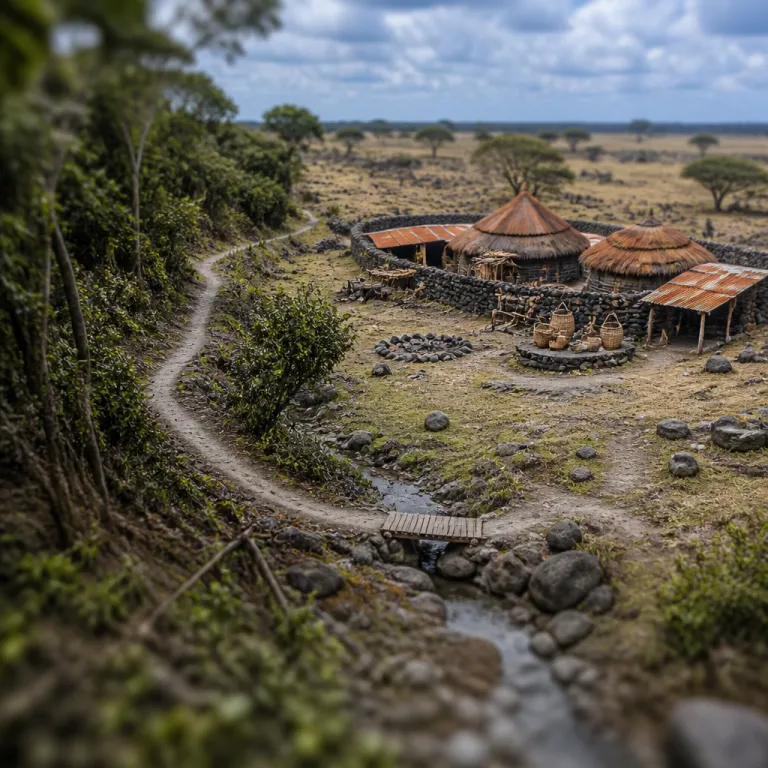
Uganda cultural tourism as a different kind of luxury
Uganda cultural tourism is often sold as a quick add-on between gorilla trekking and sunset safaris. Yet the most memorable hospitality in this country rarely happens in a lobby; it happens when cultural practices shape how people welcome you into their everyday life. For a solo traveler choosing luxury hotels, understanding this deeper layer of cultural tourism in Uganda changes how you plan every visit.
Across Uganda, cultural heritage is not a museum piece but a living framework that guides how local people share food, stories and space. From the Buganda Kingdom around Kampala to the Ankole Kingdom in western Uganda, ethnic groups maintain cultural sites and rituals that quietly influence how guests are treated in both simple homesteads and premium lodges. When you start reading hotel options through this lens of heritage Uganda, you see that the real upgrade is often the human connection rather than the thread count.
Uganda cultural tourism also sits inside a clear national conversation about identity and responsibility. The government of Uganda promotes cultural heritage as part of its tourism strategy, while community leaders negotiate how cultural sites and ceremonies are opened to tourists without losing meaning. For travelers booking high-end stays, this means your choices about which cultural centre or cultural sites to support directly affect how people in Uganda experience tourism income and cultural pride. Source: Uganda Tourism Policy 2014 and Ministry of Tourism cultural heritage briefs.
The Batwa trail near Bwindi: a forest classroom in hospitality
On the forested slopes near Bwindi and Mgahinga in southwestern Uganda, the Batwa people guide visitors along what is known as the Batwa Trail. This is not a staged performance; it is a structured walk where Indigenous guides explain how Uganda traditional forest knowledge once sustained their community. One dataset summary captures it clearly: "What is the Batwa Trail?" "A guided forest walk showcasing Batwa culture." Uganda Wildlife Authority figures indicate that hundreds of visitors now join these walks each year, making them one of the most established cultural experiences near the gorilla parks. Source: Uganda Wildlife Authority visitor statistics summaries, 2018–2022.
Here, cultural tourism and gorilla safaris intersect in a way that challenges standard luxury narratives. Many tourists visit Bwindi for gorilla trekking permits, then add a Batwa experience as a short cultural stop, but the order of value often reverses once they walk with Batwa guides. As you move through the forest in small groups, learning about medicinal plants, hunting techniques and spiritual sites, you realise that the same slopes used for gorilla trekking are also a cultural heritage landscape for the Batwa people. One guide near Mgahinga often tells guests, "You come for the gorillas, but you remember the people." A typical Batwa Trail walk lasts two to three hours, covers gentle to moderate gradients and is suitable for anyone comfortable with standard gorilla trekking approaches.
For a solo explorer staying at premium lodges around Kisoro or near Mgahinga National Park, the Batwa trail can be arranged through responsible operators that channel revenue directly to Batwa community projects. Community tourism operators such as Venture Uganda emphasise that guided tours and interactive demonstrations should support Indigenous rights, not just entertain tourists. In many cases, a fixed percentage of each trail fee is earmarked for education, health care or land advocacy, and reputable operators will explain this breakdown before you book; one community association near Mgahinga, for example, allocates roughly 40% of fees to a shared fund managed by Batwa leaders. If you are planning a dry season itinerary focused on gorilla trekking and want clear guidance on timing, a specialist resource such as this dry season gorilla travel playbook can help you align lodge bookings with both wildlife and cultural visits.
Karamojong homestead visits: pastoral grace in Uganda’s northeast
Far from the misty hills of western Uganda, the Karamojong communities of the northeast offer a very different window into Uganda cultural tourism. Here, cultural practices revolve around cattle, seasonal movement and an austere landscape that shapes how people share resources and protect guests. Organized visits to a Karamojong homestead allow tourists to sit inside a manyatta, watch beadwork being made and hear how traditional age-set systems still influence daily decisions.
These cultural immersion experiences are usually arranged through specialist guides who understand both local expectations and visitor comfort levels. You might arrive from a luxury lodge near Moroto in a 4x4, but once you step through the thorn fence of a homestead, the hospitality code changes from hotel service standards to community rules. Hosts explain why cattle remain central to identity, how ceremonial dances work and why certain forms of circumcision or initiation are reserved for community members, not for tourists visiting as observers. Local organisations such as Kara-Tunga Arts & Tours have helped formalise these visits, working with elders to agree on visit times, fees and protocols; a standard evening visit often lasts three to four hours and includes a contribution that supports community projects. As Kara-Tunga founder Theo Vos notes, elders "set the rhythm and the rules, and tourism follows that lead."
Compared with generic village tours offered in many African countries, Karamojong visits in Uganda are most meaningful when they are framed as long conversations rather than quick photo stops. Solo travelers often find that without the buffer of large groups, they can ask more nuanced questions about cultural heritage, gender roles and the pressures of modern education on pastoral life. One visitor described an evening in a manyatta as "the quietest luxury of my trip" because there was time to sit by the fire and listen. If your wider route includes time on the Nile, pairing Karamoja with a refined weekend in Jinja using guidance from this Nile luxury weekend guide creates a powerful contrast between riverfront hotels and remote homesteads.
From Buganda tombs to museums: where culture meets five star stays
Kampala and its hills sit at the heart of the Buganda Kingdom, and this region is where many luxury travelers first encounter Uganda cultural tourism. The Kasubi Tombs, a UNESCO listed site, hold the royal tombs of past kings Buganda and remain one of the most important cultural sites in the country. When tourists visit Kasubi Tombs with a knowledgeable guide, they see how the Buganda Kingdom still shapes political life, etiquette and even the way hotel staff greet guests. A standard guided visit takes one to two hours and usually includes a modest entrance fee that contributes to site conservation. Source: UNESCO World Heritage Centre listing for Kasubi Tombs.
Nearby, the Uganda Museum and various cultural centre venues in the city curate exhibitions on ethnic groups from across the country, including the Baganda people and communities from the Ankole Kingdom in western Uganda. These institutions show how cultural heritage is being archived and interpreted, while outside their walls, contemporary artists and musicians reinterpret Uganda traditional motifs for a new generation. For travelers staying in premium hotels on Kampala’s green hills, choosing properties that partner with local cultural centres or host performances by local groups is a subtle way to support heritage Uganda. Some hotels now schedule weekly storytelling or music evenings, giving guests a chance to meet performers rather than just watch them on a stage.
One example is a refined hilltop property featured in this guide to serene suites above Kampala, where proximity to both the city’s business centre and key cultural sites allows guests to balance meetings with meaningful visiting. From such bases, you can arrange day trips to Kasubi Tombs, the Uganda Museum and other cultural sites without sacrificing comfort. The real luxury lies in being able to move from a quiet pool deck to a royal courtyard or museum gallery within a single afternoon, carrying questions from one world into the other.
Ethical frameworks and itinerary design for solo cultural travelers
Uganda cultural tourism only becomes meaningful when it respects the agency of local people and the integrity of cultural practices. The government of Uganda, local tourism boards and cultural preservation organizations increasingly emphasise that cultural sites must be managed with community consent and clear benefit sharing. For travelers, this means asking operators how revenue from Batwa trails, Karamojong homestead visits or Buganda tombs tours is distributed before you book. Source: Uganda Tourism Board community tourism guidelines and Ministry of Tourism policy notes.
Ethical cultural tourism also requires clarity about what is appropriate to photograph, when to participate and when to step back. In some communities, certain rituals such as circumcision ceremonies or private mourning at tombs are not open to tourists visit, even if you are staying at the most exclusive lodge nearby. Respecting these boundaries is part of a wider hospitality code in Uganda, where being a good guest matters as much as being a generous one. Guides will often say, "If you are unsure, ask first," and the best operators build this conversation into every briefing.
For solo explorers, the intimacy of one to one or small group encounters often leads to deeper conversations and more flexible itineraries. You can spend longer at a cultural centre, return to a homestead for a second visit or adjust your gorilla trekking schedule to attend a community event that feels important. When you weave Batwa forest walks, Karamojong evenings, Buganda heritage tours and museum visits into a safari route, Uganda cultural tourism stops being a side activity and becomes the narrative thread that connects every stay, from remote lodges to polished city hotels.
FAQ
How can I arrange a Batwa cultural experience near Bwindi or Mgahinga ?
The most reliable way is to book through established community tourism operators or your lodge, who work directly with Batwa guides and ensure that fees support local projects. Many lodges in Kisoro and around Mgahinga National Park have set departures for the Batwa Trail, which you can join as an individual or in small groups. Always confirm group size, walking distance and what is included before paying, especially if you are combining the visit with gorilla trekking on the same day; most walks cost a modest additional fee on top of your safari budget and last half a day.
What is the Batwa Trail ?
The Batwa Trail is a guided forest walk led by Batwa people, during which they demonstrate traditional forest survival skills, spiritual practices and historical sites linked to their former life as hunter gatherers. It usually lasts several hours and involves moderate trekking on forest paths, so comfortable shoes and a reasonable fitness level are important. The experience is designed to educate visitors while supporting cultural heritage preservation and income for Batwa communities, with a portion of each permit directed to community-managed funds.
How can I visit a Karamojong homestead responsibly ?
To visit a Karamojong homestead, arrange your trip through reputable guides or lodges in the Karamoja region that have long term relationships with host communities. These intermediaries help set expectations on both sides, agree on fair payments and clarify what activities are appropriate for tourists, such as watching dances or learning about beadwork. Avoid unplanned drop in visits, and always follow your guide’s advice on greetings, photography and dress; most visits are timed for late afternoon or evening and include a clearly stated contribution per guest.
Are cultural visits in Uganda suitable for solo travelers ?
Cultural visits in Uganda work particularly well for solo travelers because small group sizes allow more direct conversation and flexibility. Many lodges and operators will group solo guests together for Batwa trails, museum tours or Buganda tombs visits, keeping costs reasonable while preserving intimacy. If you prefer private experiences, you can usually request a dedicated guide for an additional fee, which often deepens the exchange and allows you to tailor the pace and focus of each cultural stop.
How do cultural experiences fit into a luxury safari itinerary ?
Cultural experiences can be placed at the start or end of a safari, or woven between wildlife days to create a balanced rhythm. For example, you might combine gorilla trekking in Bwindi with a Batwa Trail day, then add a night or two in Kampala for Kasubi Tombs and the Uganda Museum before flying home. The key is to allow enough time at each cultural site so that it feels like a central part of your journey, not a rushed stop between game drives, and to work with an operator who understands both high-end logistics and community expectations.