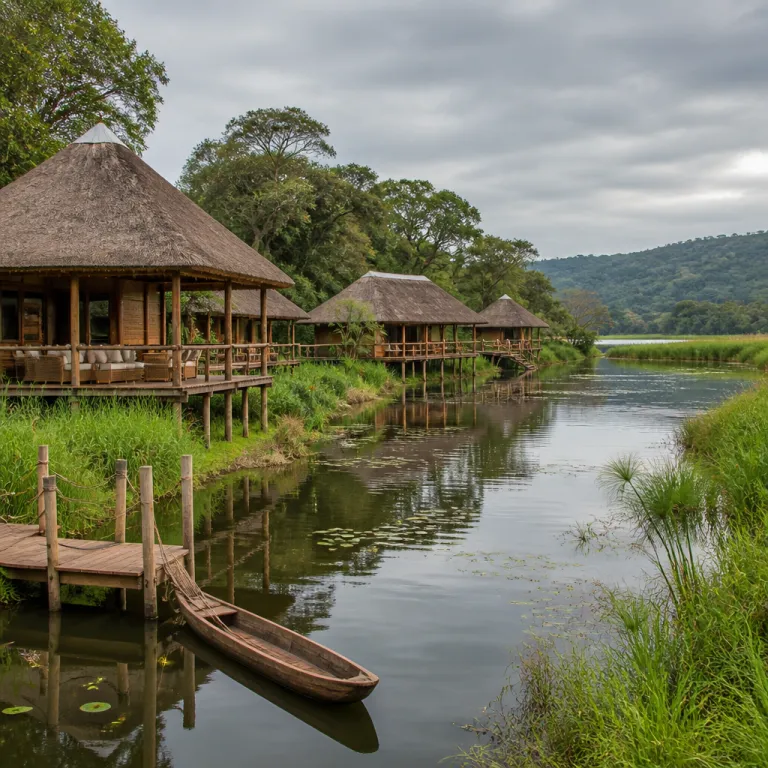
Nile river lodges: where Uganda’s luxury story begins
Uganda’s riverside retreats along the Nile feel different the moment you arrive. The current sets the rhythm, and a wildlife safari from the boat replaces the usual dust and diesel of a long game drive. For families planning a first Uganda safari, this softer pace can be the key that keeps children enchanted rather than exhausted, especially after long-haul flights and early starts.
On the northwestern bend of Uganda, Murchison Falls National Park is where the river squeezes through a narrow gorge, and this drama shapes every safari lodge on its banks. Baker’s Lodge sits on a quiet Nile shoreline, a classic Uganda lodge with timber decks, generous rooms and attentive staff who understand both multi-generational guests and serious photographers. From here, guided boat trips run to the base of Murchison Falls, where you watch the spray rise while elephants, hippos and Nile crocodiles work the shallows; most cruises last two to three hours and can be booked as private departures for families who want flexibility.
Further upstream, Nile Safari Lodge leans into contemporary luxury accommodation, with sculptural suites, private plunge pools and wide terraces facing the water. Each suite is positioned to frame the river, so even mid-range binoculars feel powerful when you scan for wildlife along the banks. Families who want a private experience can charter a boat for an afternoon wildlife safari, typically booked through the lodge a day in advance, pairing birding with sundowners while children count giraffes and buffalo on the national park shoreline; age limits for boat trips usually start around five to six years, so confirm details when reserving.
Across the channel, Kulu Ora is the new Nile-facing player, with just eleven suites located directly above the river. Every suite is angled for uninterrupted views, and the lodge offers flexible dining so parents can keep younger guests on their own schedule without sacrificing a sense of occasion. For repeat Uganda safaris, this stretch of the Nile becomes a key address, because you can combine classic game drives in the park with boat-based excursions that feel fresh even to seasoned travelers; transfer times from the main park gates are usually under an hour, which keeps logistics manageable with children.
From Murchison Falls to Jinja: reading the Nile as a family playground
Follow the Nile east and Uganda’s riverfront accommodation shifts from big game drama to river town elegance. Jinja, located near the river’s source, has evolved from backpacker hub to a base where luxury lodges and mid-range guesthouses now sit side by side. For a premium family, this means you can pair white-water rafting, kayaking and gentle sunset cruises with accommodation options that feel polished rather than improvised, with reliable hot water, Wi‑Fi and secure parking.
Lemala Wildwaters Lodge occupies a private island midstream, reached only by boat, and it turns the river itself into the main safari. Suites are spaced for privacy, with deep tubs and wide decks that hang over the rapids, so even time in your room feels like an immersive wildlife experience. Parents can book a private guide for rafting or kayaking while children stay on the island with a naturalist, learning how this section of Uganda supports fish eagles, otters and a surprising amount of small wildlife; rafting operators generally set a minimum age of 12–16 years for the most intense sections, so families often opt for gentler float trips instead.
Jinja’s emerging role in the Uganda safari circuit is as a decompression stop before or after more intense days in a national park. Families who have just completed gorilla trekking in Bwindi Impenetrable Forest or a long wildlife safari in Murchison Falls appreciate the slower rhythm here. If you are planning a solo extension after a family trip, use this detailed field guide for solo travelers in Uganda to understand how Jinja works as a flexible base.
Because many activities are water-based, rainy season showers change the mood rather than the logistics, which makes these lodges a reliable year-round option. A Uganda lodge located on the river can still run boat trips when nearby dirt roads in a national park become difficult, so your travel plans remain intact. For families balancing school calendars with safari lodge availability, this resilience is a key advantage when choosing between river, lake or savannah addresses, though you should still expect some humidity, insects and occasional short delays during the heaviest storms.
Kazinga Channel and Queen Elizabeth: wildlife from the waterline
Shift southwest and Uganda’s waterside stays along the Kazinga Channel deliver one of Africa’s densest wildlife spectacles. This natural waterway links Lake Edward and Lake George inside Queen Elizabeth National Park, and its banks host a rolling cast of hippos, buffalo and waterbirds. For families who want guaranteed sightings without long drives, a boat-based wildlife safari here is often the experience that converts hesitant first timers into lifelong safari travelers, especially when cruises are kept to two hours with snacks and shade.
The River Station, located near the channel’s busiest stretch, is the standout new address for premium guests. Plunge-pool rooms face a broad sweep of water, and the spa overlooks a small waterhole where antelope and warthog drift in at dusk, so even downtime feels like a private hide. Staff understand that younger guests tire quickly, so the lodge offers shorter, focused cruises along the Kazinga Channel, pairing wildlife viewing with snacks and simple birding challenges; life jackets are standard and most operators insist that children remain seated while the boat is moving.
From the deck you watch the daily choreography that defines this part of Uganda. Pods of hippos stack together in the shallows, while buffalo line the banks and fish eagles patrol overhead, and this density of wildlife is why Queen Elizabeth National Park remains a cornerstone of many Uganda safaris. For parents who have already ticked off a classic game drive in the Queen Elizabeth savannah, a channel cruise becomes the gentler second act, often timed for late afternoon when temperatures drop and light softens for photography.
Several lodges located on the escarpment above the channel, including Kyambura Gorge Lodge, use the waterway as their visual anchor. Guests split their days between chimpanzee tracking in the nearby gorge, traditional drives in the national park and late afternoon cruises on the Kazinga Channel, which keeps the pace varied for children. If you are building a slower itinerary focused on birds and waterways, this analysis of why Uganda is often called a hidden birding capital and the lodges built for slow safaris on our dedicated birding and slow safari guide will help you choose the right combination of lodges.
Crater lakes and altitude luxury: Ndali Lodge and beyond
Western Uganda’s crater lakes create a different kind of waterside drama, where altitude, mist and volcanic rims replace the flat horizons of the savannah. Ndali Lodge sits high above one of these lakes, a traditional property whose whitewashed walls and wide verandas feel more like a private home than a hotel. For families who want luxury accommodation with space to breathe, the generous rooms and gardens give children freedom while adults enjoy long views over the water, often with cooler evenings that invite fireside drinks.
Days here are less about a fast-paced wildlife safari and more about layered experiences that connect lake, forest and community. Guests can walk down to the water for canoe trips, hike along the crater rims or visit nearby farms, which turns the stay into a gentle introduction to rural Uganda rather than a checklist of sightings. When you do want big game, both Kibale Forest and Queen Elizabeth National Park are within reach, so a crater lake base can anchor a broader Uganda safari without constant packing and unpacking; road transfers to Kibale often take around an hour, while drives to Queen Elizabeth usually run two to three hours depending on road conditions.
Kyambura Gorge Lodge, although best known for its position near the gorge and the Queen Elizabeth plains, also uses the wider crater landscape as part of its identity. The lodge offers guided walks that link small lakes, coffee farms and community projects, which helps older children understand how conservation and livelihoods intersect in this part of Uganda. For parents comparing mid-range and high-end options, these crater lodges show how a Uganda lodge can deliver luxury without losing its connection to place, with many properties investing in local guides and small-scale community tourism initiatives.
Because the crater region sits at higher altitude, temperatures are cooler than in many lowland parks, which makes it appealing for multi-night stays with younger guests. Accommodation across Uganda can vary in insulation and heating, so ask specifically about room design and bedding if you are traveling with small children. For those planning repeat Uganda safaris, alternating a crater lake stay with a river or lakefront lodge keeps each trip feeling fresh while deepening your understanding of the country’s varied landscapes, from misty hillsides to broad savannah plains.
Lake Victoria, Lake Mburo and the quiet power of smaller waters
Lake Victoria is often treated as a transit point rather than a destination, yet some of the most restful lakeside lodges in Uganda sit along its northern shores. For Kampala-based families, these properties function as weekend retreats, offering a softer alternative to a full national park safari. International guests can use them as first-night or final-night bases, easing jet lag while still enjoying a sense of place and avoiding an immediate long road transfer after arrival.
Several lodges located on peninsulas west of Entebbe offer private beaches, boat trips and fishing excursions that feel far removed from city life. Rooms tend to be spacious, with lawns running down to the lake, so children can move freely while adults enjoy long lunches under acacia trees. When a lodge offers kayaks and small sailing boats, you gain a different perspective on Uganda, watching fishermen work the shallows while kingfishers and herons patrol the reed beds; insect repellent and sun protection are essential here, as the combination of water and equatorial sun can be intense.
Further southwest, Lake Mburo National Park is the smallest savannah park in Uganda, but its mix of water and woodland makes it ideal for shorter family safaris. A safari lodge on the lake’s edge allows guests to combine gentle boat trips with walking safaris and cycling, which is rare in larger parks where predators are more common. For families nervous about intense wildlife encounters, Lake Mburo offers a mid-range level of adventure that still feels authentic, with regular sightings of zebra, impala and hippo rather than close big-cat encounters.
Because both Lake Victoria and Lake Mburo are relatively compact compared with the Nile or the great lakes of East Africa, they lend themselves to two- or three-night stays. This is long enough for children to form a connection with staff and local wildlife, yet short enough to fit into a broader Uganda safari that might also include Bwindi Impenetrable Forest or Murchison Falls. When you are planning accommodation across Uganda, think of these smaller waters as the punctuation marks that give your itinerary rhythm, breaking up longer drives and providing quieter days between headline experiences.
Bwindi, the gorilla frontier and the case for pairing forest with water
Gorilla trekking in Bwindi Impenetrable Forest is often the emotional high point of any Uganda safari, but it is also demanding, especially for families. Trails can be steep and muddy, and while the reward of a Uganda gorilla encounter is immense, younger guests may need downtime afterwards. This is where pairing a forest lodge with a waterside property becomes a key strategy for maintaining energy and enthusiasm, particularly on itineraries of ten days or more.
Chameleon Hill Lodge, located above Lake Mutanda between Bwindi and Mgahinga parks, is a vivid example of how water can soften the edges of a gorilla-focused itinerary. The lodge offers bright, individually styled rooms that look across the lake towards the Virunga volcanoes, so even rest days feel cinematic. Families can paddle on the lake, visit nearby islands or simply watch the light change on the water, which helps children process the intensity of a close gorilla experience and gives adults time to rest sore legs after trekking.
Many lakeside and riverside lodges now work closely with specialist operators to integrate gorilla trekking permits, transfers and post-trek recovery days into a single itinerary. A Uganda lodge on Lake Mutanda or Lake Bunyonyi can act as a base before and after your time inside Bwindi Impenetrable Forest, reducing the need for constant packing. For parents, this means you can focus on the emotional arc of the trip rather than the logistics, knowing that each lodge offers consistent service, safe food and flexible meal times; remember that gorilla permits are limited and must usually be secured months in advance for peak seasons.
When you combine forest and water, you also diversify the wildlife narrative for younger guests. A Uganda gorilla encounter becomes one chapter in a broader story that includes otters on the lake, birds along the shore and perhaps a final wildlife safari on the Kazinga Channel or the Nile. If you are considering new openings or seasonal lodge offers that might fit this kind of itinerary, our guide to the latest waterside openings and June arrivals on Uganda’s newest lodges and seasonal launches is a useful starting point.
How to choose the right waterside lodge for your family
Choosing between Uganda’s waterside lodges is less about star ratings and more about matching landscape, pace and family temperament. A safari lodge on the Nile near Murchison Falls suits families who want big game and dramatic scenery, while a crater lake property or Lake Victoria retreat works better for those who value quiet and flexibility. The key is to decide whether your priority is wildlife density, cultural immersion, water-based activities or simple rest, then build your route around two or three contrasting locations.
When comparing lodges, look closely at how each property structures its days for guests. Some lodges located inside or adjacent to a national park will build the rhythm around game drives and boat safaris, while others focus on walks, community visits and on-site activities like swimming or kayaking. If a lodge offers dedicated family guides, flexible meal times and interconnecting rooms, it will generally handle younger guests more gracefully; ask in advance about child-minding, pool safety and any age restrictions on specific excursions.
Budget also shapes the experience, but Uganda offers strong value across luxury and mid-range categories. High-end lodges deliver larger rooms, more privacy and often a higher staff-to-guest ratio, which matters if you are traveling with children or grandparents. Mid-range options can still feel indulgent, especially when the location is strong, and they often attract a mix of international and Ugandan travelers that gives a more local feel; as a rough guide, mid-range waterside lodges may start from a few hundred US dollars per room per night, with top-end properties running higher depending on season and inclusions.
Practical planning matters as much as aesthetics. Book in advance for peak seasons, check how long transfers really take—Entebbe to Jinja is around three hours by road, while Kampala to Lake Mburo is roughly four to five hours—and ask whether rainy season affects road access or only the mood of the water. As one planning guide puts it, “Book in advance, check seasonal weather, arrange transportation, inquire about activities”, and that simple checklist remains the most reliable way to turn a beautiful lodge into a seamless family base; also factor in health advice such as malaria prophylaxis and recommended vaccinations from your travel clinic.
Key figures on Uganda’s luxury waterside lodge scene
- Uganda hosts on the order of 40–60 recognized luxury lodges across its main safari regions, and a significant share of these are located on rivers, lakes or channels, based on Uganda Tourism Board accommodation listings consulted in 2024 rather than a single definitive census.
- The average occupancy rate for high-end lodges in Uganda is commonly reported in the 70–80 percent range during peak seasons, indicating strong year-round demand for both river-facing and lakefront accommodation; these figures are drawn from Uganda Tourism Board tourism performance updates released around 2023 and should be read as indicative rather than exact.
- Travel and tourism contributed roughly 7–8 percent to Uganda’s Gross Domestic Product in 2019, according to the World Travel & Tourism Council’s “Travel & Tourism Economic Impact 2021” country report for Uganda, and waterside lodges play a growing role in this sector by extending stays beyond traditional game drives.
- Many Nile and Kazinga Channel properties now operate twelve months a year, using boat-based activities that are less affected by rainy season road conditions, which helps stabilize employment for local communities; this pattern is highlighted in Uganda Wildlife Authority and Uganda Tourism Board product briefs from 2022–2023, even though exact lodge-by-lodge figures are not publicly itemized.
FAQ about Uganda’s riverside, lakeside and channel lodges
What activities can families expect at Uganda’s waterside lodges ?
Activities at Uganda’s riverside and lakeside lodges typically include boat cruises, wildlife safaris from the water, guided walks and, in some locations, kayaking or fishing. In river towns like Jinja, adventure sports such as white-water rafting sit alongside gentler sunset cruises. Around lakes and channels, birding, village visits and relaxed shoreline walks round out the experience, and many lodges can tailor shorter outings for younger children or grandparents.
Are Uganda’s waterside lodges suitable for children ?
Many lodges are explicitly designed with families in mind, offering spacious rooms, flexible meal times and shorter, child-friendly activities. Boat safaris on the Nile, Kazinga Channel or Lake Mburo are often easier for younger children than long game drives, because there is constant movement and frequent sightings. Always check age limits for activities like rafting or gorilla trekking—gorilla permits, for example, are generally restricted to guests aged 15 and above—and confirm whether the lodge can provide child minding during more demanding excursions, as not all properties offer formal childcare.
How do travelers reach these riverside and lakeside properties ?
Access varies by region, but most major waterside lodges are reached by a combination of road transfers and, in some cases, short scheduled flights. Certain properties, such as island lodges on the Nile, require a final boat transfer, which is usually arranged directly by the lodge and included in the package price. When planning your itinerary, factor in transfer times between national parks, lakes and airports to avoid overly long travel days with children, and ask whether road conditions change significantly during the rainy months.
What is the best season to stay at Uganda waterside lodges ?
Waterside lodges are genuinely year-round, because boat-based activities are less affected by rain than game drives on dirt roads. The traditional rainy periods can soften light and reduce dust, which many photographers and birders actually prefer on the Nile and Kazinga Channel. If your main focus is gorilla trekking or long drives in a national park, you may still want to avoid the wettest weeks, but for river and lake stays the seasons are more forgiving, provided you pack light waterproofs and accept the possibility of short, intense showers.
Do these lodges support conservation and local communities ?
Many of Uganda’s riverside and lakeside lodges partner with nearby villages, conservation groups and park authorities to support both wildlife and livelihoods. This can include employing local staff, sourcing food from nearby farms and contributing to projects that protect habitats along the Nile, crater lakes or national park shorelines. When choosing where to stay, ask each lodge how it works with its surrounding community, as this is often a good indicator of long-term quality and integrity, and look for transparent information on conservation fees or community levies.
Sources
- Uganda Tourism Board, accommodation and tourism performance reports (accessed 2024, used for indicative lodge numbers and occupancy trends)
- World Travel & Tourism Council, “Travel & Tourism Economic Impact 2021 – Uganda” (used for approximate tourism GDP contribution figures)
- Uganda Wildlife Authority, park and product briefs 2022–2023 (consulted for seasonal operating patterns and activity resilience)