Ugandan food experience beyond the lodge gate
Uganda rewards the traveller who eats where the country actually lives. For a solo guest stepping out of a luxury lobby, a carefully planned Ugandan food experience opens window after window onto daily life, far from any buffet chafing dish. Walk a single day through Kampala or Jinja and you realise that the food Uganda serves offers its own kind of urban safari, with every corner stall and market alley turning out something cooked to order in a large pot or on a smoking griddle.
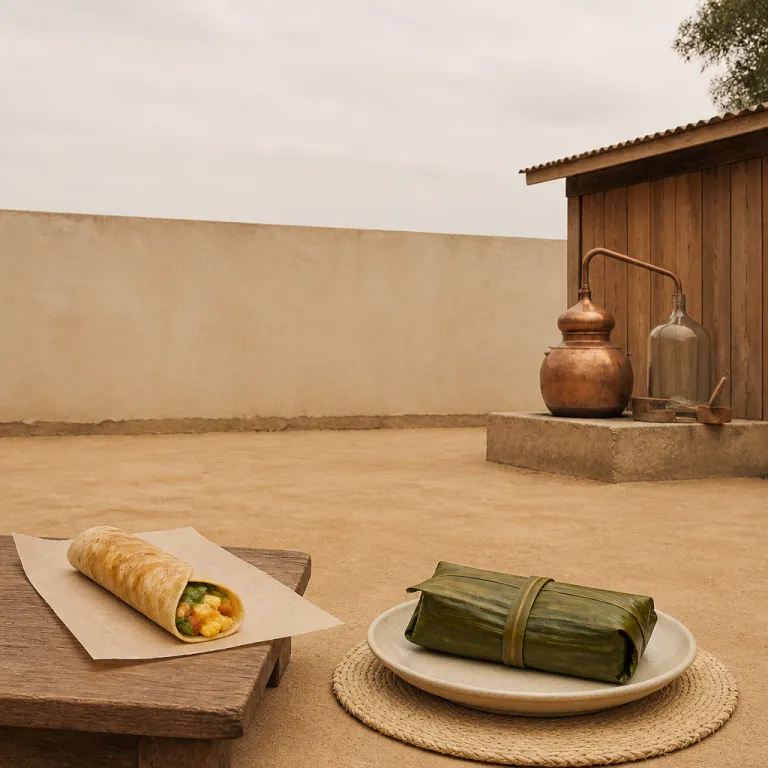
The starting point is almost always the rolex, the rolled chapati wrapped around eggs, onions, tomatoes and sometimes green bananas that has become the most recognisable Ugandan food export. One verified definition still holds true on any street corner: “What is a Ugandan rolex? A rolled chapati with an omelette inside.” You will find rolex vendors working from dawn, their view of the street framed by sacks of maize flour, crates of eggs and a radio playing Congolese rumba, and the food, delicious in its simplicity, makes an ideal first dish for a cautious traveller.
Luxury hotels now reference this Ugandan food experience on tasting menus, but the real Ugandan cuisine story begins in markets such as Nakasero in Kampala or Central Market in Jinja. Here, Ugandan food is served from charcoal stoves, sauces and stews simmer with onions and groundnut sauce, and fish from Lake Victoria is cooked over open flames while boda bodas weave past. For a solo explorer planning a wider trip that might include gorilla trekking or a classic savannah safari, these markets are where you feel how rich and traditional the country’s cuisine really is.
Essential dishes that define Ugandan cuisine
Three plates anchor any serious Ugandan food experience: the rolex, luwombo and a generous serving of groundnut sauce. Luwombo is the dish that best expresses traditional Ugandan cooking, with meat or fish steamed slowly in banana leaves until the sauce thickens and the aromas of onions, tomatoes and spices perfume the air. As one reference explains without embellishment, “How is luwombo prepared? Meat or fish steamed in banana leaves.”
Seek out luwombo in Kampala’s Buganda-focused eateries, in Jinja’s family restaurants and in Fort Portal’s small dining rooms that overlook tea estates and the Rwenzori view. Increasingly, lodge chefs along the safari circuit are reworking this traditional dish into plated fine dining, pairing delicate fish luwombo with East Africa–inspired vegetables and millet bread crisps, a trend explored in depth in our guide to Uganda’s safari kitchens and serious lodge gastronomy. When it works, the result is food delicious enough for a tasting menu yet still rooted in the country’s rich culinary memory.
Beyond luwombo, pay attention to the starches that quietly structure Ugandan cuisine across this part of Africa. You will encounter green bananas steamed in banana leaves (matooke), millet bread made from finely ground grains, and a stiff porridge of maize flour (posho) that is stirred in a large pot until it can be sliced. These staples are served with sauces and stews built on onions, tomatoes and groundnut sauce, and they turn a simple plate of fish or vegetables into a filling meal that keeps you going through a long travel day or a demanding gorilla trekking hike.
Where to eat in Kampala, Jinja and Fort Portal
Kampala is where a solo traveller can map an entire Ugandan food experience in one compact urban safari. Start the day at a rolex stand in Kololo or Bugolobi, where the cook cracks eggs into a bowl with onions and tomatoes, whisks quickly and pours the mixture onto a hot chapati before rolling it into a portable dish that can be eaten while you plan the rest of your trip. Later, move to Nakasero Market, where food Uganda vendors sell grilled fish, skewers of meat and plates of beans cooked slowly with groundnut sauce in dented but trustworthy large pots.
Jinja, on the shores of the Nile, offers a softer pace and a different view of Ugandan cuisine. Here, small restaurants near Main Street serve luwombo and other traditional Uganda stews, while roadside stalls sell roasted green bananas and maize on the cob made from local white maize, brushed with a light sauce of salt and chilli. Between meals, you can walk towards the river, where the country’s emerging craft gin scene is quietly reshaping how East Africa’s botanicals are served in highball glasses and tasting flights.
Fort Portal, gateway to crater lakes and Kibale’s primate forests, is where Ugandan food meets cool mountain air and long safari days. Local eateries plate fish from nearby crater lakes with millet bread and sauces and stews rich in onions and tomatoes, while some of the region’s smarter lodges now send guests into town with curated travel tips and reservations at trusted kitchens. For a deeper look at how high-end properties across Uganda handle their menus, our regional review of where to actually eat in Uganda’s luxury hotels explains which dining rooms are worth leaving the pool for.
From street stall to gin still: spirits, safety and solo strategies
No Ugandan food experience feels complete without a nod to the country’s craft spirits, especially for travellers who enjoy a considered drink after a long day. Kakira Distillery in Jinja has become a reference point, producing gin that uses local botanicals and quietly signalling how Uganda, as a country in East Africa, is rethinking what is served in its bars. The address on Main Street makes it easy to fold a distillery visit into a wider travel day that might also include a rolex breakfast and a luwombo lunch in town.
For the solo traveller, food safety is less about fear and more about methodical choices guided by smart travel tips. Eat where the turnover is high, where fish is cooked to order, and where sauces and stews bubble visibly in a large pot rather than sitting lukewarm on a counter, and you dramatically reduce risk. Street rolex, grilled maize made from fresh white maize and bananas roasted in their banana leaves are generally safe when cooked in front of you, while raw salads and pre-cut fruit are better reserved for trusted hotel kitchens with strong hygiene standards.
Alcohol follows the same logic: choose sealed bottles, reputable gin labels such as those from Kakira Distillery and bars recommended by your lodge or a seasoned travel writer. When you return to your luxury base after a day of eating like a local, you can still enjoy a polished version of Ugandan cuisine in the dining room, perhaps pairing a refined groundnut sauce with grilled fish and a gin and tonic built on Ugandan botanicals. Our insider guide to family tested luxury properties that welcome younger travellers also highlights which hotels manage to balance serious food with a relaxed, safe atmosphere.
Three days of eating Uganda without a single buffet
Designing a three-day Ugandan food experience without ever touching a hotel buffet is surprisingly simple if you think like a local. On day one in Kampala, breakfast is a rolex from a trusted stall, lunch is luwombo with fish or chicken cooked in banana leaves, and dinner is a plate of grilled fish served with millet bread and a side of groundnut sauce in a neighbourhood restaurant. Between meals, you can walk, use local transportation or hire a guide, always carrying enough local currency to pay vendors who do not accept cards.
Day two in Jinja revolves around the Nile and the emerging craft gin scene that gives this part of East Africa a distinctive flavour profile. Start with tea and a light snack of maize flour pancakes, then move to a market stall for beans and sauces and stews rich in onions and tomatoes, before touring Kakira Distillery in the late afternoon for a structured tasting. Evening brings a relaxed meal of traditional Uganda stews, perhaps featuring green bananas and a generous ladle of groundnut sauce, eaten while you watch the river and reflect on how this trip has changed your view of Ugandan hospitality.
On day three, Fort Portal offers a cooler climate and a different rhythm, especially if your wider travel includes gorilla trekking or chimp tracking in nearby forests. Breakfast might be simple millet bread with tea, lunch a hearty plate of food Uganda style with fish, vegetables and thick sauce, and dinner a chef’s menu in a lodge that reinterprets Ugandan cuisine with fine dining precision. By the time you leave, you will have eaten like a local and like a luxury guest, and you will understand why a thoughtful Ugandan food experience opens window after window onto the country’s rich culture.
FAQ
What is a Ugandan rolex and where should I try it?
A Ugandan rolex is a rolled chapati filled with an omelette, usually mixed with onions and tomatoes and sometimes cabbage or green peppers. Street stalls in Kampala, Jinja and Fort Portal serve it from early morning until late at night, and the best versions are cooked to order in front of you. Choose busy vendors with a steady line, as high turnover keeps ingredients fresh and makes this simple dish both safe and delicious.
How is luwombo traditionally cooked in Uganda?
Luwombo is a slow-cooked stew of meat or fish that is seasoned, placed in banana leaves and steamed until tender. The banana leaves trap moisture and aroma, creating a rich sauce that often includes groundnuts, onions and tomatoes. You will find authentic versions in Buganda region restaurants and in some lodge kitchens that respect traditional Uganda techniques.
Is it safe for solo travellers to eat street food in Uganda?
Street food in Uganda can be safe when you follow basic precautions such as eating at busy stalls, choosing food that is cooked to order and served hot, and avoiding raw salads or pre-cut fruit. Rolex, grilled maize, roasted bananas and freshly fried snacks are usually good options because high heat kills most bacteria. When in doubt, ask your hotel or guide for specific travel tips and recommended vendors in each city.
Can I visit a gin distillery during my trip to Uganda?
Yes, several Ugandan distilleries welcome visitors, and Kakira Distillery in Jinja is one of the most accessible for travellers. You can usually arrange a tour that explains how local botanicals are used to create gin, often combined with a tasting flight. It is easy to pair a distillery visit with a wider day of exploring Jinja’s markets and riverfront restaurants.
How do lodge restaurants in Uganda use local dishes on their menus?
Many high-end lodges now integrate Ugandan cuisine into their menus by reworking street dishes and home recipes into refined plates. You might see luwombo presented as a deconstructed stew, rolex elements turned into a plated breakfast or groundnut sauce paired with grilled fish and seasonal vegetables. The best properties respect traditional flavours while adjusting presentation and portion sizes for international travellers who have just returned from a long safari or gorilla trekking excursion.