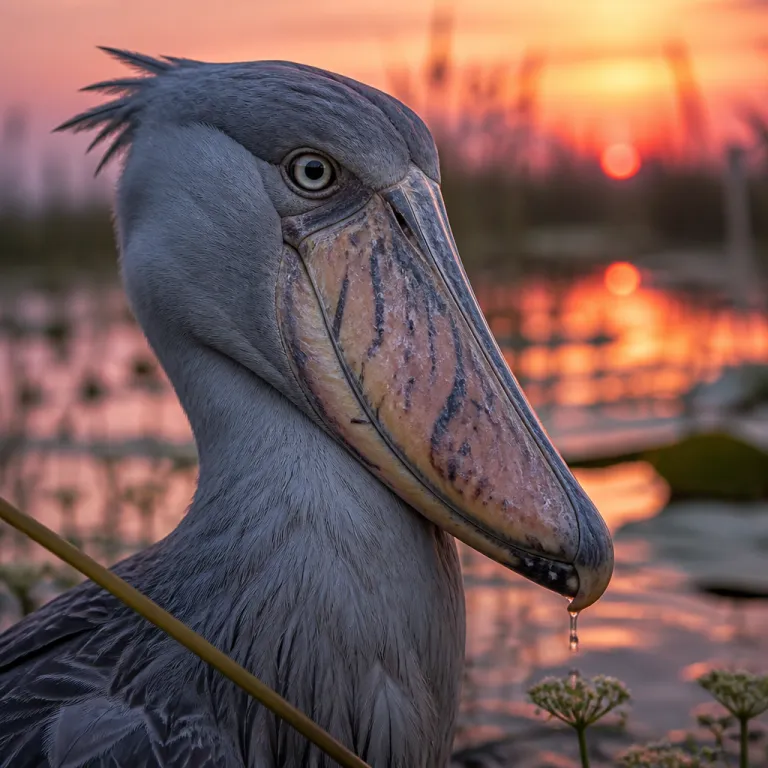
Why shoebill stork Uganda trips anchor serious birding itineraries
Uganda sits at the meeting point of East Africa’s forests, savannas and wetlands, which is why more than 1,080 bird species are recorded within its borders according to the Uganda Bird Atlas Project and Uganda Wildlife Authority summaries. For many serious bird photographers, though, a shoebill stork Uganda encounter in the right wetlands matters more than ticking dozens of other birds on a rushed safari checklist. The country’s luxury lodges now understand that one patient morning with a single bird can outweigh an entire week of generic wildlife drives.
The shoebill, formally known as Balaeniceps rex, is a tall, statuesque stork-like bird that haunts papyrus swamp channels in East Africa. Its massive bill, which gives the shoebill stork its name, is designed to grip large prey such as lungfish that rise slowly through still water in quiet wetlands. Because this species is globally scarce, with habitat loss in places like the Bangweulu Wetlands and other marshes in Zambia documented by BirdLife International partners, a focused shoebill tracking day in Uganda carries real conservation weight.
Uganda’s position between South Sudan, western Tanzania and the forests of the Albertine Rift makes it a natural crossroads for birds that define East African wildlife. You can watch a shoebill stand motionless in a swamp at dawn, then later that week photograph the great blue turaco and African green broadbill in Bwindi’s cloud forest without leaving the same country. For a solo explorer who values both comfort and field time, that combination makes Uganda, and especially any shoebill-focused itinerary, the best starting point in Africa.
Mabamba wetlands from Entebbe: how luxury travelers actually see shoebills
Mabamba swamp lies on the northern shore of Lake Victoria, a short drive and boat hop from Entebbe, yet it feels a world away from the airport hotels. Recent community counts coordinated by the Mabamba Wetland Eco-Tourism Association suggest that roughly 10 to 15 individual shoebills use these channels, and that density makes Mabamba the most reliable place to spot shoebill storks on any shoebill stork Uganda journey. For travelers booking premium stays in Entebbe, a half day on these wetlands is the easiest way to add a serious birding chapter to a wider safari.
Logistics are straightforward when handled by a good hotel concierge or specialist bird guide, who will arrange an early transfer to the Mabamba landing and a narrow canoe with a quiet outboard. The timeline usually follows a simple pattern: early morning departure, a glide across open water, then a slow push into the swamp where your guide reads the wind, the light and the behaviour of other birds to locate a single shoebill. As one local operator explains to guests, early morning hours are ideal, shoebill tours are available year round, and advance booking through your lodge or a trusted birding guide association such as the Uganda Safari Guides Association makes the whole process seamless.
From a luxury perspective, the difference lies less in the boat and more in the guide’s experience with this particular bird species. A guide who understands how Balaeniceps rex reacts to noise and distance will cut the engine early, pole through shallow water and position the canoe with the sun behind you for clean images. If you are building a longer itinerary that includes gorilla tracking and quieter trails, use this dry season planning guide for Uganda as a framework, then bolt a Mabamba morning onto your Entebbe arrival or departure day.
Murchison Falls wetlands: Nile delta shoebills and where to stay in style
While Mabamba offers the most accessible shoebill tracking, the Nile delta below Murchison Falls National Park delivers a wilder, more cinematic setting. Here the river fans into broad wetlands before it reaches Lake Albert, and the mix of open water, floating vegetation and papyrus creates classic shoebill habitat. If your shoebill stork Uganda ambitions extend beyond a single sighting, combining Mabamba with this delta gives you two very different chances with the same elusive bird.
Boat trips leave from lodges on the southern and northern banks, heading downriver through sections where elephants, hippos and other wildlife share the channels with birds. This is where the phrase "falls national" becomes more than a map label, because you can pair a thunderous cruise to the base of Murchison Falls with a quieter delta excursion focused on shoebills and other storks. For a detailed look at where to sleep between these outings, use this guide to planning a refined stay near Murchison Falls National Park and choose a property that understands early breakfast times and flexible boat schedules.
On the delta itself, your guide will scan for a grey shape standing alone in the swamp, often near patches where lungfish and other prey concentrate in shallow water. When a shoebill lifts its bill and locks eyes with you, the boat should already be drifting with the current, not pushing under power, so the bird remains relaxed. This stretch of the Nile also holds other key species for East African birders, and it pairs well with game drives where lions, whose status is tracked in Uganda’s recent wildlife census reports, share the savanna with oribi and Uganda kob.
What a shoebill encounter feels like: behaviour, photography and ethics
The first thing that strikes most travelers is the shoebill’s stillness, which feels almost prehistoric against the movement of other birds in the wetlands. This is a bird that hunts by patience, waiting for prey to surface, then striking with a sudden sideways sweep of that heavy bill. In the quiet of Mabamba swamp or the Nile delta, the only sounds may be distant weaver calls and the soft slap of water against the canoe.
Approach distance matters, especially in a shoebill stork Uganda context where every disturbance teaches the bird to distrust boats. Responsible guides in Uganda, Rwanda and neighbouring South Sudan or western Tanzania aim to stop at least 30 to 40 metres away, then let the current or a gentle push bring the canoe closer if the shoebill remains relaxed. From that range, a 400 millimetre lens on a full frame body will frame the entire bird, while a 500 or 600 millimetre lens lets you isolate the eye, the bill and even droplets of water on its feathers.
Ethical photography means accepting that some angles will be imperfect rather than pushing into the swamp until the bird flushes. Luxury travelers who care about conservation understand that this species already faces habitat loss across East Africa, from the Bangweulu Wetlands to other wetlands in Zambia, so every respectful encounter counts. Ask your lodge or operator whether their local guides receive conservation training through partners such as Nature Uganda or BirdLife International, and whether a portion of your shoebill tracking fee supports community projects that keep these wetlands intact for both wildlife and people.
Building a high end birding day into a wider Uganda itinerary
Many travelers come to Uganda for gorillas, chimpanzees and classic safari wildlife, then realise too late that they passed within an hour of world class wetlands. The easiest fix is to treat a shoebill stork Uganda experience as a modular day that slots between flights, long drives and national park stays. With smart planning, you can enjoy a sunrise with shoebills and still be sipping a poolside drink at a luxury lodge that evening.
From Entebbe, a half day Mabamba excursion works perfectly on your first or last day in the country, especially if you are staying at a premium hotel with early breakfast options and secure luggage storage. After the canoe, you return to the pier, drive back along Lake Victoria’s shore and either connect to a domestic flight or settle into a quiet afternoon by the water. In the north, a Nile delta shoebill outing can be paired with an afternoon game drive in Murchison Falls National Park, giving you both birds and big mammals in a single, carefully paced day.
To round out the birding side of your trip, consider adding a day in Bwindi or Kibale focused on forest species that complement the shoebill’s swamp world. The great blue turaco, African green broadbill and other Albertine Rift endemics give context to why Uganda is often called the best single country in East Africa for serious birdwatching. When you book through a platform that curates only top tier properties, you can match each habitat — wetland, forest, savanna — with a lodge that understands early starts, packed breakfasts and the quiet satisfaction of returning with mud on your boots and clean images on your memory cards.
Choosing the right guides, lodges and operators for shoebill tracking
In Uganda, the difference between a casual boat ride and a serious shoebill encounter usually comes down to the guide standing in the bow. Local guides who grew up along these wetlands read the wind, the light and the behaviour of other birds to predict where a shoebill might be hunting. When you book a luxury stay, ask explicitly whether the property works with such specialists rather than generic safari staff rotated from other national park areas.
For Mabamba, look for Entebbe hotels that maintain close relationships with community based canoe associations using eco friendly boats, because these operators minimise disturbance and keep more revenue in the village. Many of them collaborate with conservation organisations that monitor shoebill numbers and track habitat loss, ensuring that your shoebill stork Uganda outing contributes to long term protection of the species. In Murchison Falls, prioritise lodges that can arrange both delta and falls national cruises, giving you flexibility to choose the best light and water levels for each.
Solo explorers often prefer booking through a platform that vets both properties and on the ground partners, removing the guesswork from choosing between multiple operators who all claim to offer the best shoebill tracking. A curated site focused on Uganda and East African wildlife travel will highlight which lodges consistently deliver sightings of shoebills, storks and other key birds without compromising on comfort. That way, your time in Uganda, Rwanda or neighbouring regions becomes a seamless sequence of well run experiences rather than a patchwork of untested arrangements.
FAQ
What is the best time of day to see a shoebill in Uganda ?
Early morning is consistently the best time to see a shoebill in Uganda’s wetlands. Cooler temperatures, softer light and calmer water make birds more active and boat approaches quieter. Most serious shoebill tracking departures from Mabamba and the Murchison Nile delta leave around sunrise for this reason.
Are shoebill tours in Mabamba and Murchison available all year ?
Guided shoebill tours operate throughout the year in both Mabamba swamp and the Murchison Falls Nile delta. Water levels and vegetation density change with the seasons, but experienced local guides adjust their routes accordingly. If you prefer drier trails and clearer skies, plan your broader safari during one of Uganda’s traditional dry periods.
How close can boats safely approach a shoebill for photography ?
Responsible guides usually stop their engines at least 30 to 40 metres from a shoebill, then drift or pole closer only if the bird remains relaxed. This distance protects the bird from stress while still allowing detailed images with a telephoto lens. Any operator pushing significantly closer under power is not following good wildlife viewing practice.
Do I need specialist equipment for a shoebill stork Uganda trip ?
You do not need professional gear, but a pair of binoculars and a camera with a moderate telephoto lens will greatly improve the experience. Waterproof clothing, insect repellent and a dry bag for electronics are also useful on canoe based wetlands trips. Many luxury lodges can provide spare binoculars if you prefer to travel light.
How can my shoebill tracking help conservation and local communities ?
Booking through operators who work with community based canoe associations and recognised conservation partners ensures that a portion of your fee supports wetland protection. These funds help maintain habitat, monitor shoebill populations and create alternative livelihoods that reduce pressure on wildlife. Asking your lodge about their specific community and conservation projects is an effective way to choose more impactful experiences.