World tourism day Uganda and why it matters for luxury travelers
World tourism day Uganda is not a slogan for speeches, it is a lens for understanding how the country wants to welcome high value guests. On this global day that celebrates tourism day as a driver of inclusive growth, Uganda positions itself as a place where the forest, the village and the boardroom can all sit at the same table. For the executive traveler, that means every stay can align comfort with purpose without sacrificing discretion.
Each year on this day, Uganda joins the rest of the world in marking world tourism with focused conversations on tourism development, conservation and culture. The ministry responsible for tourism wildlife and antiquities uses the day celebrations to signal where national priorities are heading, from aviation links to new conservation financing models that will shape your future itineraries. When you see references to WTD or world tourism day Uganda in local media, read them as shorthand for how the country will balance growth with protection of its wildlife and communities.
The official theme tourism narrative often highlights sustainable transformation and tourism sustainable practices rather than mass arrivals. Uganda’s ministry tourism team treats tourism wildlife as a strategic asset, not a backdrop, which is why high end lodges are capped in sensitive national parks and why private concessions are carefully negotiated with community leaders. For travelers who measure value in both time and impact, this approach turns a single day of global celebrations into a year round framework for choosing where to sleep and where to spend.
From conference room to community: how Uganda’s villages define real luxury
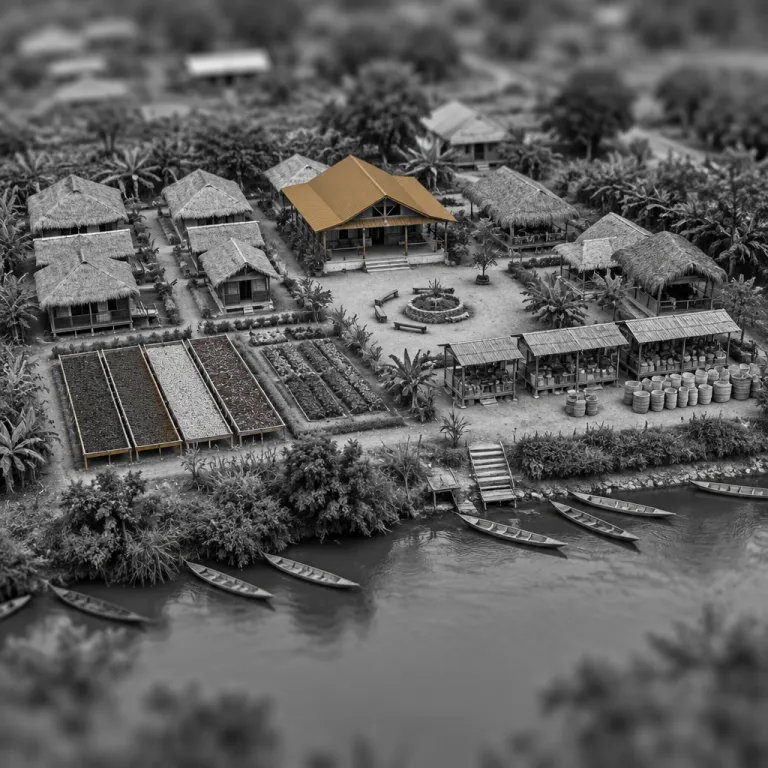
Fly into Entebbe for meetings and you will feel the familiar rhythm of a regional hub, but world tourism day Uganda invites you to look beyond the boardroom. The ministry tourism agenda increasingly frames tourism day as a chance to highlight community based stays where village guides, craft cooperatives and smallholder farmers share in the value chain. For a business leisure traveler, that means your hotel choice can quietly support a wider community without turning your trip into a charity tour.
In recent WTD programmes, the ministry responsible for tourism wildlife and antiquities has used exhibitions and cultural performances to show how rural artisans, storytellers and food producers anchor the national brand. These day celebrations are not only about speeches from hon officials ; they are about positioning community as a key pillar of tourism sustainable growth, from the crater lakes of Kabarole to the coffee slopes of Mount Elgon. When you book a lakeside property in Entebbe or a lodge near Kibale, ask how they source their food, staff their teams and structure village visits, because those answers reveal whether the sustainable transformation message is real.
Our own stays in Entebbe’s refined lakeside properties, such as those featured in our guide to Entebbe as Uganda’s lakeside gateway to refined stays, show how quiet design and strong community links can coexist. The best addresses will arrange unhurried walks with local bird guides, visits to small craft ateliers and low key cultural evenings that feel intimate rather than staged. On world tourism day Uganda, these same properties often host small scale celebrations or exhibitions that bring the community into the hotel, turning the lobby into a meeting point between global guests and local stories.
Wildlife, national parks and the case for low volume, high impact stays
Uganda’s tourism wildlife story is inseparable from its national parks, yet world tourism day Uganda reminds policymakers that numbers alone do not define success. Gorilla permits in Bwindi and Mgahinga are capped, not because demand is low, but because the ministry tourism strategy recognises that wildlife antiquities and fragile habitats cannot absorb unchecked growth. For the luxury traveler, this low volume approach translates into quieter trails, longer encounters and a sense that the forest is still in charge.
On tourism day panels, hon officials and conservation partners often underline that tourism sustainable models must keep wildlife at the centre of planning. When you read about world tourism themes such as sustainable transformation, this is what they mean on the ground ; fewer vehicles at a lion sighting in Queen Elizabeth National Park, or a maximum of eight guests at a gorilla family visit in Bwindi. These choices may limit short term revenue, but they protect the national asset that underpins every high end itinerary.
For executives extending a Kampala trip, a refined safari stay can be arranged with minimal internal flights and maximum context. Our detailed guide to what to see for a refined safari stay in Uganda explains why certain lodges near Murchison Falls or Kidepo Valley have become benchmarks for quiet luxury. On world tourism day Uganda, these properties often support conservation initiatives or launches of new community ranger programmes, turning a single day of celebrations into long term commitments that you indirectly fund every time you book a suite.
Arua city, cultural routes and where to stay for authentic WTD experiences
When Uganda selects a host city for world tourism day Uganda, the choice is rarely accidental, and Arua city has emerged as a compelling stage. Located in the north west near the borders with the Democratic Republic of Congo and South Sudan, Arua is a crossroads where trade, migration and cultural exchange have shaped a distinctive urban rhythm. For travelers, that means a different palette of food, music and languages compared with Kampala or Jinja.
During recent WTD programmes, Arua and the wider West Nile region have hosted day celebrations that foreground community resilience, cross border trade and cultural heritage. The ministry responsible for tourism wildlife and antiquities, often represented by hon officials such as Hon Martin Mugarra, has used these gatherings to highlight new tourism development corridors that link Arua city with Murchison Falls National Park and the Albertine Rift. When you hear that the ministry tourism team launches an initiative in Arua in late Sep, it usually signals fresh investment in roads, airstrips or cultural centres that will quietly upgrade your future stays.
For the executive traveler, Arua’s emerging hotel scene offers a handful of reliable properties with conference facilities, while nearby lodges along the Nile provide softer landings after long meetings. On world tourism day Uganda, some of these hotels host exhibitions of local textiles, culinary showcases or cultural performances that bring village traditions into urban spaces without turning them into caricature. If your itinerary allows, pair a night in Arua city with a few days in Mgahinga, where our feature on golden monkeys and Uganda’s smallest, quietest national park shows how a single lodge can embody the world tourism theme of sustainable transformation through patient, community led hospitality.
FAQ
How does world tourism day Uganda affect when and where I should book?
World tourism day Uganda usually falls in late Sep, when the dry season is easing and many national parks remain accessible with good wildlife viewing. Around this day, the ministry responsible for tourism wildlife and antiquities often announces new initiatives, routes or conservation partnerships that can influence which regions gain momentum in the coming months. If you enjoy being close to cultural celebrations, consider timing your stay near the host city or region, but book early because domestic delegations and regional visitors can tighten availability in premium properties.
Is community based tourism in Uganda compatible with high service standards?
In Uganda, community based tourism has evolved beyond homestays into sophisticated partnerships between luxury lodges and neighbouring villages. Many high end properties near Bwindi, Kibale or Murchison Falls employ local guides, source food from nearby farmers and support schools or health centres, all while maintaining polished service, strong Wi Fi and well trained hospitality teams. When you book, ask how the property works with its community ; the most credible answers usually involve long term revenue sharing rather than one off donations.
Which Ugandan destinations work best for a short business leisure extension?
For a two or three night extension after meetings in Kampala, Entebbe’s lakeside hotels, Murchison Falls National Park and Lake Mburo are particularly efficient. Each offers quality wildlife or lakeside experiences within a manageable drive or short flight, allowing you to be back at your desk on Monday without feeling rushed. If your schedule allows a longer break, consider adding Bwindi or Mgahinga for gorilla or golden monkey tracking, where low volume permits align with the tourism sustainable priorities highlighted on world tourism day Uganda.
How can I tell if a Ugandan hotel is genuinely sustainable and not just using the language of WTD?
Look for specific, verifiable practices rather than generic claims about eco friendliness or WTD alignment. Credible properties in Uganda will be transparent about how many local staff they employ, how they manage waste and water, and which conservation or community projects they support with a defined percentage of revenue. When a hotel references world tourism day Uganda or the theme tourism of sustainable transformation, ask for concrete examples of what they have changed in operations or design as a result.
Is Arua city ready for premium travelers, or should I focus on more established hubs?
Arua city is still an emerging destination for premium travelers, but its role in recent world tourism day Uganda celebrations has accelerated investment in roads, utilities and hospitality training. You will not find the same density of luxury properties as in Entebbe or Kampala, yet a small number of well run hotels now offer comfortable rooms, meeting spaces and reliable connectivity. For executives working in the region or exploring new development corridors, Arua combines strategic location with access to authentic cultural experiences that align with Uganda’s community led tourism narrative.