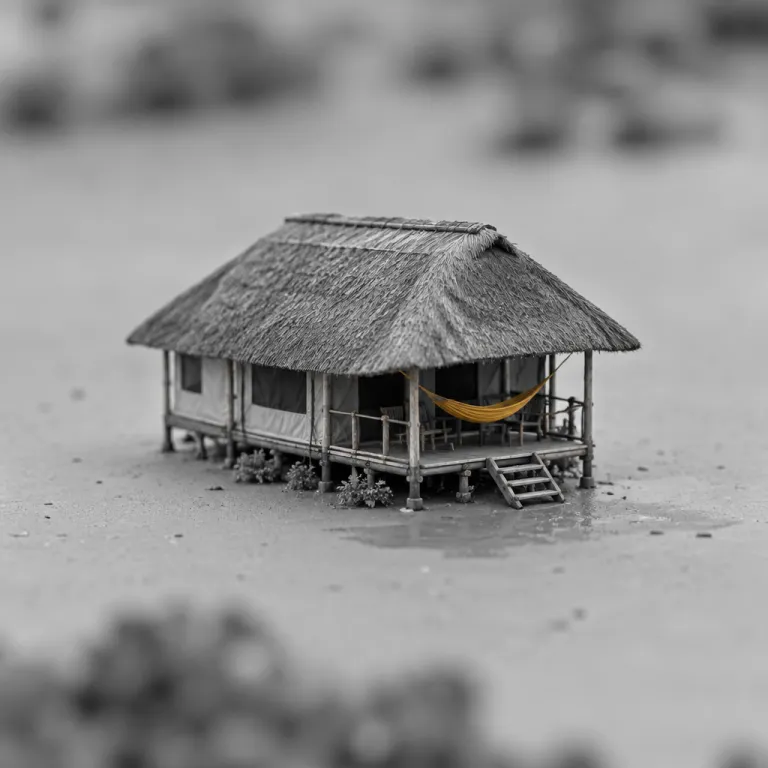
Uganda green season travel for families: what the short rains really feel like
Uganda green season travel in October and November feels quietly privileged. This is the best time for families who want national park landscapes at their lushest, with just enough rainy drama to thrill children without derailing a carefully crafted safari plan. On the ground, each rainy season shower usually arrives as a short, theatrical performance rather than an all day washout.
In most of Uganda, the wet season pattern in these months means clear mornings, a build up of cloud by late lunch, then a heavy downpour that will often pass within an hour. That rhythm shapes how you plan each safari drive, each boat trip and each walk, because the great time for wildlife viewing is still the first light and late afternoon window. Families who visit Uganda in this shoulder season window find that guides simply pivot game drives a little earlier or later, rather than cancelling them, and that the typical daily high of around 26–28°C keeps time in the vehicle comfortable even after a storm.
In Queen Elizabeth National Park the plains turn a deep emerald, crater lakes mirror the sky and the air feels washed clean. The same is true in Murchison Falls National Park, where the Nile corridor becomes a corridor of birds, and every small group safari boat ride feels like a private charter. For children, that combination of soft light, dramatic clouds and fewer vehicles in the parks is often the best introduction to Africa, because it feels cinematic yet unhurried, with just enough puddle splashing and rainbow spotting to make the weather part of the adventure.
Rates, permits and why green season is the best time for value
For luxury families, the real secret of Uganda green season travel is not only the moodier skies. October and November sit between high season and peak season, so many lodges quietly adjust their rates while keeping the same level of service, which turns the so called low season into a value rich moment. On a practical level, that means your budget stretches to a larger family suite, a better located room or even an extra night inside a national park instead of outside its gates.
Permit based experiences also become more forgiving in this shoulder season period, especially around gorilla and chimpanzee tracking. As of the latest published Uganda Wildlife Authority tariff, standard gorilla tracking permits are set at a flat rate through the year, but many operators still treat April, May and November as softer demand months and build promotional pricing around them (source: Uganda Wildlife Authority tariff guide, checked directly rather than via intermediaries). While October is not technically part of that discounted month list, families who plan their time visit around these edges often find more flexible dates, smaller tracking groups and less pressure on specific days.
When you book through a specialist who understands luxury Uganda tours for exceptional hotel stays, such as the curators behind tailored Uganda tours for luxury travelers, you gain another layer of advantage. They know which national parks quietly keep their best rooms for repeat guests, which river facing suites in Murchison Falls sell out first in peak season, and which Queen Elizabeth lodges are most generous with child policies in the rainy months. That insider knowledge turns a simple safari into a carefully staged family journey where every night feels intentional.
Where to stay in the green season: park by park for premium families
Choosing the right base is what makes Uganda green season travel feel effortless for parents. In Queen Elizabeth National Park, look for lodges on the Mweya Peninsula or along the Ishasha sector, because these locations shorten transfer times and keep you close to both boat safaris and classic game drives. That proximity matters in the rainy season, when you want to be able to return quickly for a hot chocolate or a swim between showers.
In Murchison Falls National Park, riverfront properties on the Nile offer the best balance for families who want both wildlife viewing and downtime. You can schedule a morning safari on the northern bank, retreat to the pool during the wet season midday heat, then take an afternoon boat to the base of the falls when the clouds break. The top tier lodges here understand that small group flexibility is key in the green season, so they will often adjust activity times around the weather rather than sticking rigidly to a timetable, and the roughly five to six hour drive from Kampala or Entebbe means you still arrive with time to settle in before the evening light.
For a full overview of which properties work best for children at different ages, from Entebbe arrival hotels to Bwindi forest edge retreats, the detailed Uganda hotel property guide is a useful planning tool. It breaks down which national parks have family friendly pools, which queen Elizabeth sector lodges offer interconnecting rooms and which remote camps are better kept for a later dry season safari when your children are older. Used alongside a personalised guide Uganda itinerary, it helps you match each park to the right month, the right season and the right level of adventure.
What works brilliantly in green season, and how to pack for it
Not every activity shines equally in Uganda green season travel, so smart planning is everything. Classic vehicle safaris in the major national parks remain excellent, especially in Queen Elizabeth and Murchison Falls, where the mix of open plains and riverine forest means wildlife can still be spotted easily even when the grass is higher. Boat based wildlife viewing often improves in the rainy months, because animals come to the water more predictably when the air cools after a shower.
Some experiences are better saved for the drier months, particularly long linear hikes on steeper slopes where clay soils become slick. If you are planning a multi day trek in the Rwenzori Mountains or extended walking safaris in more remote parks, then the classic dry season from roughly June to August and again from December to February is still the best time. Think of October and November instead as the great time for shorter forest walks, coffee farm visits and cultural encounters that pair well with an afternoon storm, especially when average monthly rainfall in many western parks sits around 100–150mm rather than the heavier long rains of March to May.
Packing for this shoulder season window is straightforward when you think in layers rather than bulk. Light waterproof shells, quick drying trousers and closed shoes with decent grip will handle most wet seasons showers, while a compact daypack lets you stash cameras quickly when the first drops fall. Families who build in flexible hours for reading, board games and pool time between activities often find that these rainy season pauses become some of their children’s strongest Africa memories, especially when paired with a visit to coffee regions such as Sipi Falls or the Rwenzori foothills, which you can explore in more depth through this piece on Uganda’s emerging specialty coffee circuits.
FAQ
Is October and November a good time to visit Uganda with children ?
October and November are a strong choice for families who want fewer crowds, greener landscapes and more flexible lodge availability. The pattern of short, often afternoon focused showers means you can still schedule morning and late afternoon safaris in the main national parks. With the right packing and a realistic daily rhythm, this period offers excellent value and a calmer atmosphere than the classic peak season.
How heavy are the short rains during Uganda’s green season ?
In most safari regions the short rains arrive as intense but relatively brief downpours, often lasting 30 to 90 minutes. Mornings are usually clear, with clouds building towards mid afternoon, which allows guides to adjust game drives and boat trips around the wettest moments. Continuous all day rain is less common, though it can happen, so flexibility in your schedule is important and families should expect one or two wetter days in a typical ten day itinerary.
Which parks work best in the green season for first time safaris ?
Queen Elizabeth National Park and Murchison Falls National Park are particularly reliable in the green season because their mixed habitats make wildlife easier to find even when vegetation is thicker. Boat safaris on the Kazinga Channel and the Nile remain excellent in October and November, with strong chances of seeing hippos, elephants and abundant birdlife. For a first visit Uganda itinerary with children, combining these two parks with a night or two at a relaxed lakeside lodge works very well.
Should we worry about roads and driving conditions in the rainy months ?
Main access roads between Kampala, Entebbe and the major parks are generally passable year round, though some secondary tracks can become muddy after heavy showers. Reputable operators use 4x4 vehicles and drivers who know alternative routes inside each park, which reduces disruption. If you are planning to self drive, it is wiser to avoid the wettest tracks and to allow extra time between destinations.
What should families pack specifically for Uganda’s short rainy season ?
Focus on lightweight waterproof jackets, quick drying clothing, closed shoes with good grip and a compact umbrella for lodge use. Dry bags or zip lock pouches help protect phones and cameras during sudden showers, while a warm layer is useful for cooler evenings after the rain. Do not forget insect repellent, sun protection and any child specific medications, as these are essential in every season Uganda offers to travelers.