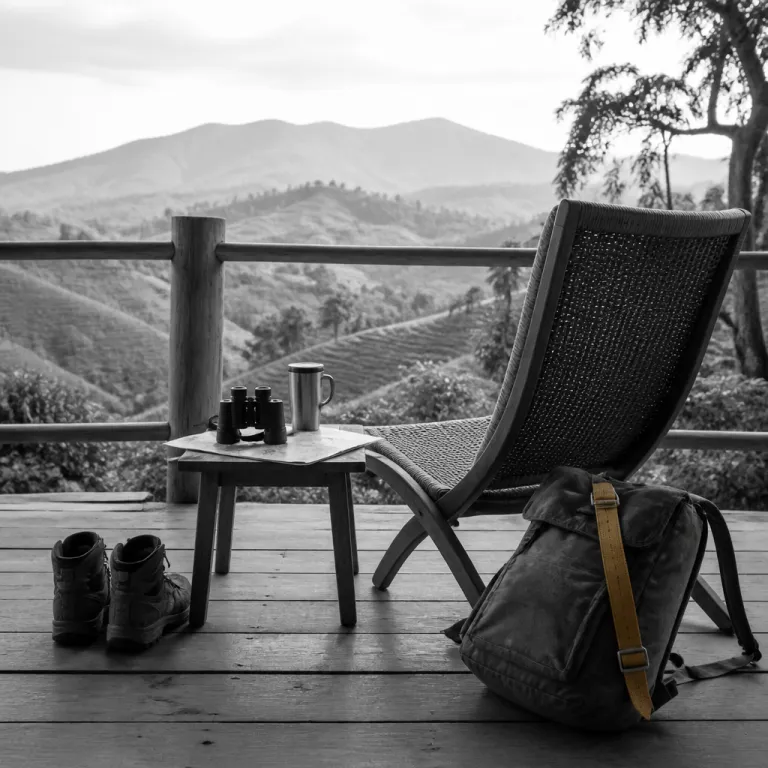
Why solo travel in Uganda changes the way you move through the country
Solo travel in Uganda lets you move at your own quiet rhythm. When you travel without a group, you can stretch a single day in a national park into a long, layered experience that follows the light, the wildlife and your curiosity. Many solo travelers say their first solo trip to this country feels less like a safari holiday and more like a personal reset.
Uganda sits at the meeting point of East Africa’s savannah and Central Africa’s rainforest, so traveling solo here means you can pivot between ecosystems without committee debates. One week you might wake in Kampala, then travel Uganda westward to a crater lake, and by the next day be tracking mountain gorillas under the canopy of Bwindi Impenetrable National Park. That freedom to travel solo between such different places to visit is exactly what makes solo Uganda itineraries so compelling for independent travelers.
For many women who are traveling solo, the question is whether Uganda is safe enough to justify that freedom. The answer is nuanced, yet for tourist circuits the country is considered stable and safe, especially when you use a vetted local guide and follow basic precautions about time and place. As one official answer often cited by regional tourism boards puts it, “Is Uganda safe for solo travelers? Yes, with proper precautions.”
Gorilla trekking, primate encounters and the quiet power of arriving alone
Gorilla trekking is the headline experience for many who visit Uganda, and solo travelers often find that arriving alone reshapes the entire encounter. Gorilla trekking permits are limited each day, and while you join a group of eight strangers, coming solo changes the social dynamic on the trail and around the trackers. Guides tend to read a solo traveler’s energy more closely, which can make the experience in the park feel surprisingly intimate.
In Bwindi Impenetrable National Park, luxury lodges such as Clouds Mountain Gorilla Lodge are used to hosting solo travelers who have built a solo trip around mountain gorillas. You might spend the morning on gorilla trekking, then return to a stone cottage terrace where the forest rolls away beneath you and the only schedule is your own. That is the essence of solo travel Uganda style ; the country’s most intense wildlife experiences are framed by long, reflective hours with nothing but birdsong and mist for company.
Queen Elizabeth National Park offers a different tempo for those traveling Uganda alone, especially if you split your time between the Kazinga Channel and the remote Ishasha sector. A luxury stay here works well for solo travelers because game drives, boat safaris and even chimpanzee trekking in nearby Kyambura Gorge can be shared with other guests, keeping costs reasonable without sacrificing privacy. For a deeper planning overview of refined lodges and landscapes in this region, see this elegant guide to Queen Elizabeth National Park on myugandastay.com, which details how to match specific properties to your preferred style of safari experience.
From Kampala to crater lakes: solo days shaped by local rhythm
Kampala is often the first real test of traveling solo in Uganda, and it rewards those who give it time. The city’s hills, markets and galleries are best approached with a flexible day plan, a charged phone and a willingness to let a local guide recalibrate your sense of distance and safety. Many women travel alone here using vetted ride hailing services and prebooked drivers, choosing when to lean into the city’s energy and when to retreat to a quiet pool deck.
For a curated overview of refined urban stays, the Kampala city guide on myugandastay.com maps out hotels where solo travelers can expect strong security, polished service and staff who understand the realities of traveling solo. From these bases you can plan a solo trip that links the capital with western Uganda’s crater lakes, where lodges such as Ndali Lodge sit above mirror calm water and forested slopes. Days here are unstructured by design, which suits solo travelers who want to walk, read, birdwatch and talk with local staff without the pressure of a group schedule.
Bigodi Wetland Sanctuary near Kibale Forest is a perfect example of how solo Uganda travel turns a simple walk into a layered wildlife experience. You can hire a community guide or follow a self guided route, pausing as long as you like for great blue turaco, monkeys and the swamp’s dense plant life. Many travelers pair a morning of chimpanzee trekking in Kibale National Park with an unhurried afternoon in Bigodi, proving that some of the best places to visit are those where nobody is rushing you back to a vehicle.
Slow safaris, birding days and the luxury of unscheduled time
Uganda’s position as a birding powerhouse makes it ideal for solo travelers who prefer slow safaris over checklist tourism. With more than one thousand recorded bird species, the country holds roughly half of Africa’s total, which means every day in a national park can be structured around patient observation rather than constant driving. Solo travel Uganda itineraries often build in extra nights specifically for birding, photography and quiet time on the lodge deck.
Mabamba Bay near Entebbe is the classic place to visit for the shoebill, and traveling solo allows you to time your canoe excursion for the softest light and thinnest crowds. In Bwindi Impenetrable National Park, birders often linger after gorilla trekking to search for the African green broadbill and great blue turaco along forest trails that feel entirely different without a group. For a deeper argument in favor of this slower style, myugandastay.com’s feature on Uganda as the birding capital nobody talks about makes a strong case for lodges and guides who understand that wildlife experience improves when you stop chasing sightings.
Elsewhere, Murchison Falls National Park rewards solo travelers who are willing to stretch their stay by a day or two. A dawn game drive might focus on lions and giraffes, while an afternoon boat safari to the base of the falls becomes a lesson in river ecology and birdlife. Properties such as Baker’s Lodge on the Nile often host solo travelers who are traveling Uganda on flexible schedules, and their communal dining culture makes it easy to share stories without sacrificing the solitude that drew you to travel solo in the first place.
Nile source adventures, mountain trails and the practical side of going alone
Jinja, at the source of the Nile, is where many solo travelers test their appetite for adventure in Uganda. Kayaking, stand up paddling and white water rafting can all be arranged on a solo trip, yet you join small groups on the water, which keeps things social and safe. The town’s riverside lodges understand women travel dynamics particularly well, pairing firm safety briefings with relaxed communal spaces where traveling solo never feels isolating.
Further east, Sipi Falls offers multi day hiking routes that suit solo Uganda travelers who want structured activity without the intensity of a full mountain expedition. Local guides lead you between the three main waterfalls, through coffee gardens and into small villages, adjusting the pace to your fitness and the day’s weather. Because you are traveling solo, you can decide whether to linger for photography, swim beneath a cascade or return early to your lodge terrace with a view across the plains toward Kenya and the wider East Africa region.
For those drawn to higher peaks, the Rwenzori Mountains present a more demanding yet deeply rewarding experience in this country. Multi day treks here require a licensed guide, porters and proper equipment, which means solo travelers effectively join a small expedition team while still setting their own objectives and time frame. This balance between independence and structured support is one reason many experienced travelers choose to travel Uganda rather than more crowded trekking destinations when planning their next big solo adventure.
Safety, logistics and choosing solo friendly luxury lodges
Safety is the first filter for any solo travel Uganda plan, especially for women who are traveling solo for the first time in East Africa. Tourist routes that link Kampala, Murchison Falls, Queen Elizabeth, Bwindi Impenetrable and Lake Bunyonyi are well established, with national park rangers, vetted local guides and reputable tour operators forming a quiet safety net. Common sense measures still apply ; learn a few basic Luganda phrases, dress conservatively outside lodges and avoid walking alone at night in urban areas.
On the logistics side, the country is surprisingly manageable for solo travelers who prepare properly. You will need a valid visa, which many travelers obtain online before traveling Uganda, and it is wise to arrange airport transfers and the first night’s accommodation in advance. Once in country, independent travelers often mix private drivers, scheduled domestic flights and occasional local transport such as matatus or SafeBoda, using mobile apps and offline maps to keep each day’s movements clear and safe.
Luxury and premium lodges across Uganda are increasingly attentive to solo travelers, both in pricing and in social design. Some properties waive or reduce single supplements in shoulder seasons, while others offer guide sharing on game drives and chimpanzee trekking to keep per person costs reasonable without diluting the wildlife experience. Communal dining at places like Baker’s Lodge, Clouds Mountain Gorilla Lodge and Ndali Lodge means you can travel solo, yet still trade stories with other guests about mountain gorillas, national park sightings and the many places to visit that only reveal themselves when nobody is waiting for you to come back early.
Key figures for solo travel in Uganda
- Uganda Wildlife Authority issues around 1 000 gorilla trekking permits annually, which keeps encounters with mountain gorillas tightly controlled and ensures that each small group, including solo travelers, has a low impact on the forest habitat.
- Uganda hosts more than 1 000 recorded bird species, representing roughly half of all bird species found in Africa, which makes the country one of the most rewarding places to visit for solo birders who prefer slow, observation led travel.
- Tourism boards report a steady rise in solo female travelers choosing to travel Uganda, reflecting broader growth in women travel and adventure tourism across East Africa over recent years.
- Key national parks such as Murchison Falls, Queen Elizabeth and Bwindi Impenetrable form a classic circuit that many solo travelers complete in about ten to fourteen days, allowing enough time in each park for both safari drives and unstructured lodge time.
- Community based projects like Bigodi Wetland Sanctuary near Kibale Forest have expanded guided and self guided options, giving solo travelers more flexible day experiences that directly support local conservation and livelihoods.
FAQ about solo travel in Uganda
Is Uganda safe for solo travelers, including solo women?
Tourist circuits in Uganda are generally considered safe for solo travelers, including solo women, provided you use reputable local guides, avoid walking alone at night in cities and follow standard travel precautions. Lodges and tour operators on the main safari routes are accustomed to hosting women travel guests and can advise on specific local norms. Many solo travelers report feeling more comfortable in national parks and rural areas than in large urban centers, where extra awareness is sensible.
What are the must see destinations for a solo trip in Uganda?
For a first solo trip, most travelers focus on a loop that includes Murchison Falls National Park, Queen Elizabeth National Park, Bwindi Impenetrable National Park and Lake Bunyonyi, often with time in Kampala or Entebbe at the start or end. Gorilla trekking with mountain gorillas in Bwindi, chimpanzee trekking near Kibale, boat safaris on the Nile and the Kazinga Channel, and relaxed days on crater lakes are core experiences. Depending on your interests, you can add Jinja for Nile source adventures or the Rwenzori Mountains for multi day trekking.
How can I get around Uganda when traveling solo?
Most solo travelers combine private drivers, scheduled domestic flights and occasional local transport to move between regions. For shorter distances and city transfers, services like SafeBoda and vetted taxi companies are widely used, while longer legs between national parks are often arranged through lodges or tour operators. The dataset guidance summarises it clearly : “How can I get around Uganda solo? Use local transport like matatus and SafeBoda.”
Do I need a visa and special permits for solo travel Uganda?
Most visitors require a visa to enter Uganda, which can often be obtained online before traveling, and you should check current requirements with official government sources before your trip. Gorilla trekking and chimpanzee trekking both require advance permits issued for specific days and specific national parks, and these can sell out quickly in peak seasons. Solo travelers usually arrange permits through trusted tour operators or directly via Uganda Wildlife Authority, then build the rest of the itinerary around those confirmed dates.
Is it better to join a group or remain fully independent on safari?
Many solo travelers choose a hybrid approach, remaining independent in overall itinerary planning while joining shared game drives, boat trips and primate treks once inside each national park. This keeps costs lower than fully private arrangements yet preserves the freedom to decide how long to stay in each place and which experiences to prioritise. For those who value quiet time and flexible days, this model often delivers the best balance between social interaction, safety and the deep, unhurried wildlife experience that defines solo travel Uganda.