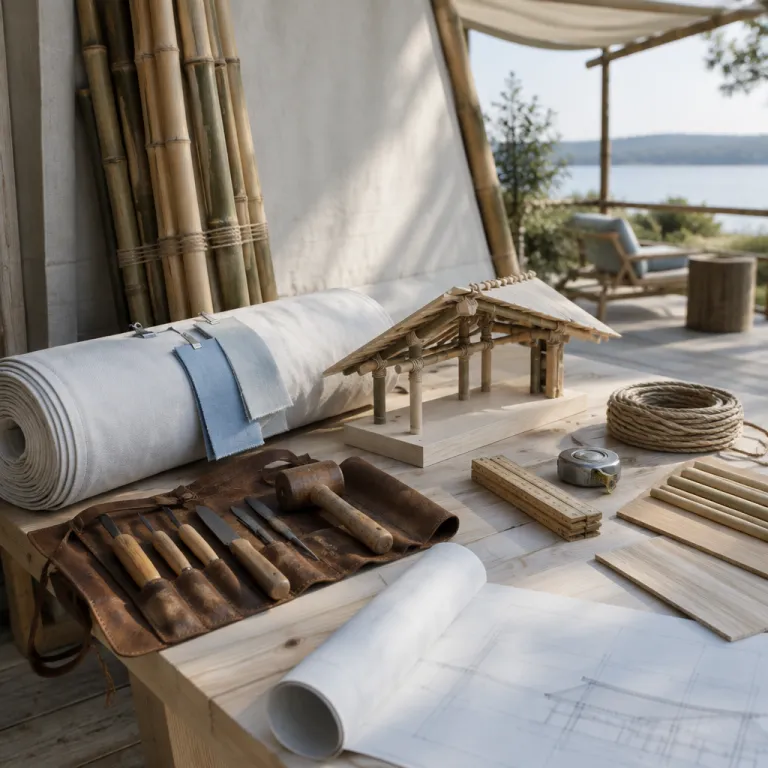
Uganda lodge architecture design as a new African language
Uganda lodge architecture design is quietly rewriting what a safari stay in Africa can feel like. Where Kenya leans on stone and heavy thatch, and Tanzania still celebrates classic tented safari lodges, Uganda’s newest projects are lighter on the land and deeper in nature. For couples planning a romantic escape, this new architectural design language means every lodge stay becomes an intimate experience with the surrounding landscape rather than a performance of safari nostalgia.
Across Uganda, architects now treat each lodge as a landscape project first and a hospitality project second. The main building, the suites and even the lodge bar are positioned to frame forest, river or savannah views, so the architecture never competes with nature but edits it like careful photography. This shift in design architecture is changing how luxury travelers move through national park environments, from the forest lodge decks of Bwindi to the nile safari viewpoints near Murchison Falls.
For guests, the depth meaning of this new lodge design is simple yet powerful. You are not just sleeping near a forest or a river ; you are held inside an eco narrative where every material, every interior choice and every path has been considered. Uganda lodge architecture design now treats each safari lodge as a living eco lodge, where engineering services, project management and interior design work together to reduce impact while elevating comfort.
Erebero Hills: bamboo architecture rooted in reforested slopes
Erebero Hills sits on 45 reforested acres, with more than 25 000 indigenous trees already reshaping the hillsides. The lodge architecture design here is defined by bamboo, chosen not as a novelty but as a structural commitment to eco building in Uganda. Eight suites step down the slope like a quiet procession, each one angled so the forest and distant Africa horizons feel private and cinematic.
The architectural design by Pablo Luna Studio treats bamboo as both structure and storytelling device. Slender poles carry the roofs, filter light into the interiors and frame views of the surrounding landscape, so the architecture becomes a kind of three dimensional photography. When you walk from the main building to your suite, the path threads through young forest, and the lodge design makes you feel the project is still growing with the trees rather than sitting finished above them.
Inside, the interior design is deliberately restrained to let nature lead. Timber floors, linen textiles and clay toned walls keep the luxury quiet, while large openings pull in forest sounds and cool air. For couples, this creates an experience where the line between interior and exterior dissolves, and the lodge becomes a soft threshold between human comfort and wild Uganda.
Kulu Ora: canvas, timber and the art of dismantling
Kulu Ora takes Uganda lodge architecture design in a different direction, using canvas walled suites on timber platforms to create a lighter footprint. Ten suites stretch along a ridge, their designs inspired by Wabi Sabi principles that celebrate imperfection, weathering and time. The result is a safari lodge that feels intentionally temporary, as if it could fold back into the forest without leaving a scar.
The architectural concept here is radical in its simplicity ; every element is designed for dismantling within a week. Canvas panels unhook, timber frames unbolt and engineering services run in accessible channels, so the entire project can be removed if the landscape or national park regulations demand it. For guests, this design architecture choice is not an abstract eco gesture but a tangible part of the experience, because you can see how lightly the structures touch the ground.
Inside each suite, the interior designer leans into texture rather than ornament. Rough plaster, handwoven textiles and low timber furniture create a calm interior where the luxury is space, silence and the way the forest air moves through the room. Couples who split their stay between Erebero Hills and Kulu Ora will feel how different materials shape mood ; bamboo feels rooted and architectural, while canvas and timber feel nomadic and intimate.
From Kenya to Rwanda: how Uganda’s lodges are finding their own voice
Across East Africa, safari lodges have long followed regional templates, from Kenya’s stone and makuti roofs to Tanzania’s classic tented camps and Rwanda’s sculptural hilltop retreats. Uganda lodge architecture design is now stepping away from imitation and towards a more site specific, eco driven language. Erebero Hills and Kulu Ora show how a lodge in Uganda can be both luxurious and light, using bamboo, canvas and timber to echo forest and river landscapes rather than dominate them.
Compared with many Kenyan safari lodges, which often cluster around a dramatic main building and lodge bar, Uganda’s new generation spreads the experience along ridges, riverbanks and forest edges. This dispersal allows each forest lodge or eco lodge to feel more private, and it also reduces pressure on any single patch of ground. In Rwanda, high altitude properties lean into heavy stone and sculptural forms, while Uganda’s architectural design is more porous, letting air, birdsong and even distant village sounds filter through.
For travelers planning gorilla trekking or nile safari itineraries, this matters more than it might seem. The way a lodge is designed will shape how you rest between long days in the forest or on the river, and how connected you feel to Uganda’s nature when you are not on a game drive. Choosing properties that treat architecture as part of the conservation project, rather than just a backdrop, means your stay supports both landscape and community.
Materials, makers and the quiet luxury of context
The story of Uganda lodge architecture design is also a story of materials and the people who work them. Bamboo for Erebero Hills is sourced through regional networks that understand both its rapid growth cycle and its structural limits, so engineering services can specify safe spans without overbuilding. Timber for Kulu Ora’s platforms and interiors is selected for durability and grain, then worked by carpenters who often live within a few kilometres of the project sites.
Canvas, used at Kulu Ora for the suite walls, is treated not as a nostalgic safari prop but as a technical fabric that manages heat, light and privacy. When combined with careful interior design, it allows the suites to breathe in Uganda’s varied climates, from misty forest mornings to dry season afternoons. These choices are supported by disciplined project management, which coordinates designers, builders and conservation authorities so that each lodge aligns with strict protected zone regulations.
For couples who care about where their money goes, this material story has depth meaning beyond aesthetics. Commissioning local artisans, from furniture makers to bark cloth weavers, keeps value in the region and strengthens cultural narratives inside each lodge interior. If you want to understand how crafts and architecture meet, read the guide on Uganda’s living crafts that luxury lodges are finally showcasing before you book.
Designing for experience: how couples actually feel these choices
All of this talk about Uganda lodge architecture design only matters if it changes how you feel on the ground. At Erebero Hills, the way bamboo screens filter light into the main building makes breakfast feel like a slow theatre of mist, birds and distant hills. At Kulu Ora, the soft drum of rain on canvas during a storm turns an afternoon nap into a memory you will carry long after the safari ends.
Thoughtful lodge design also shapes the social rhythm of a stay. A well placed lodge bar can encourage quiet conversation at sunset without drowning the forest in noise, while pathways that follow natural contours keep you close to nature without eroding slopes. When you return from gorilla trekking or a long nile safari boat ride, the way your suite opens to the surrounding landscape will decide whether you feel cocooned, exhilarated or both.
For photography lovers, these lodges become part of the subject, not just the backdrop. The interplay of architecture, forest and sky creates frames that reward patient photography, from wide shots of the landscape to intimate interior details. Couples who value design, eco principles and emotional experience in equal measure will find that Uganda’s newest safari lodges offer a quieter, more thoughtful kind of luxury.
FAQ
How is Uganda lodge architecture design different from other East African countries ?
Uganda lodge architecture design currently favours lighter structures, such as bamboo framed suites and canvas walled rooms on timber platforms. Compared with many Kenyan or Tanzanian safari lodges, which often rely on heavy stone or permanent tented camps, Uganda’s newest projects emphasise small scale, eco sensitive footprints. This approach allows lodges to sit more gently in forest and river landscapes while still delivering high levels of comfort.
Are bamboo and canvas lodges truly luxurious for couples ?
Yes, bamboo and canvas lodges in Uganda can be fully luxurious when the design and interior detailing are carefully handled. At properties like Erebero Hills and Kulu Ora, high quality linens, well insulated walls, generous bathrooms and thoughtful lighting create a refined atmosphere. The sense of luxury comes from space, privacy and immersion in nature rather than from heavy materials or ornate décor.
What should couples look for when booking a safari lodge in Uganda ?
Couples should examine how the lodge design responds to the surrounding landscape, including orientation, materials and views. It is also worth checking whether the property operates as an eco lodge, with clear commitments to conservation, local employment and low impact engineering services. Finally, pay attention to the layout of the main building, lodge bar and suites, because these elements shape privacy, noise levels and the overall romantic atmosphere.
Do eco focused lodges compromise on comfort or amenities ?
Well executed eco lodges in Uganda do not need to compromise on comfort, and many now exceed traditional properties in terms of experience. By investing in smart architectural design, efficient project management and quality interior design, these lodges can offer strong hot water, reliable power and excellent bedding while still reducing their footprint. The main difference you will notice is in the materials and the way structures sit within the forest or savannah, not in the level of service.
How does lodge architecture affect gorilla trekking and safari experiences ?
The architecture of your lodge influences how rested and connected you feel between activities such as gorilla trekking or boat safaris. Properties that integrate with the forest or river landscape tend to offer calmer transitions from intense wildlife encounters back to private time as a couple. Good lodge architecture design also supports practical needs, such as drying gear, managing mud and providing sheltered outdoor spaces for watching wildlife without leaving the property.