Uganda crafts cultural experience as a new layer of luxury
Uganda’s most memorable luxury often begins far from a marble lobby. In the best properties, a carefully curated Uganda crafts cultural experience sits alongside wildlife safaris, turning a standard stay into a textured journey through cultural heritage. For business leisure travelers, this blend of traditional craft, music and wildlife creates experiences that feel both efficient and deeply human.
Across Uganda, cultural traditions that once sat on the margins of tourism are now entering the heart of premium hospitality. Luxury lodges partner with local communities to bring crafts, music dance performances and storytelling directly into the guest experience, so visitors learn how daily life and heritage shape modern Ugandan identity. This shift towards cultural tourism allows travelers to move beyond a checklist of national park drives and into encounters that feel grounded, respectful and commercially meaningful for crafts Uganda artisans.
For executives extending a Kampala work trip, this evolution matters. A Uganda cultural stay can now include curated craft shopping, visits to a cultural centre, and private viewings of traditional dances without sacrificing comfort or connectivity. The result is a new generation of experiences Uganda wide, where a boardroom morning can flow into an afternoon with bark cloth weavers or royal drum makers, and where travelers return home with stories that reach far beyond wildlife sightings.
Bark cloth weavers and the quiet luxury of time
Bark cloth is a non woven fabric made from the inner bark of the Mutuba tree. In central Uganda, bark cloth weavers still follow a traditional process that begins before dawn, when the tree is carefully stripped so the bark can regenerate and the heritage remains sustainable. For luxury travelers, stepping into this slow, rhythmic craft experience can feel as indulgent as any spa ritual.
At select lodges near Kampala and in Buganda, guests are driven to nearby villages where crafts Uganda artisans work under mango trees, beating the bark with hand tools until it softens into a warm, suede like sheet. These Uganda crafts cultural experience visits are deliberately unhurried, allowing visitors to watch each stage, from harvesting to dyeing, and to learn traditional techniques that have survived for centuries. Many properties now curate small craft markets on site, where a single piece of bark cloth can be traced back to a specific family, reinforcing a rich cultural connection between guest and maker.
For business leisure travelers, bark cloth workshops fit neatly into a half day programme that still leaves time for meetings or a sunset game drive in a nearby park. A driver collects you from your Kampala hotel, a guide interprets the cultural context, and the itinerary allows travelers to return before evening commitments. When guests engage directly with bark cloth artisans, they support local communities and help sustain a fragile cultural heritage that UNESCO has recognised as globally significant.
Ankole cowboys and the pastoral elegance of western Uganda
In western Uganda, the silhouette of Ankole Longhorn cattle is as iconic as any national park landscape. Here, Ankole cowboys move through the grasslands with an easy authority, their daily life shaped by centuries old pastoral traditions that still define local communities. Several ranches now welcome travelers, turning this working heritage into a refined Uganda crafts cultural experience that pairs naturally with high end safaris.
On these ranch visits, guests walk with the Ankole cowboys at first light, watching how they read weather, pasture and herd behaviour with a precision any executive would recognise. The experience allows travelers to see how cultural knowledge, not technology, drives decision making in this environment, and how traditional practices protect both wildlife corridors and grazing lands. Afterward, a ranch style brunch might feature yoghurt and ghee made from Ankole milk, linking the craft of herding directly to the plate in a way that feels quietly luxurious.
For those staying at lodges near Lake Mburo National Park or en route to Lake Bunyonyi, these pastoral experiences Uganda wide can be woven between game drives and lake excursions. Some properties now invite Ankole cowboys to their grounds for evening talks, where visitors learn about cattle symbolism in Ugandan culture and the role of herders in maintaining cultural heritage. This is not a staged show ; it is a living cultural tourism encounter that deepens the narrative of any wildlife focused itinerary.
Royal drum makers, Kampala evenings and the sound of heritage
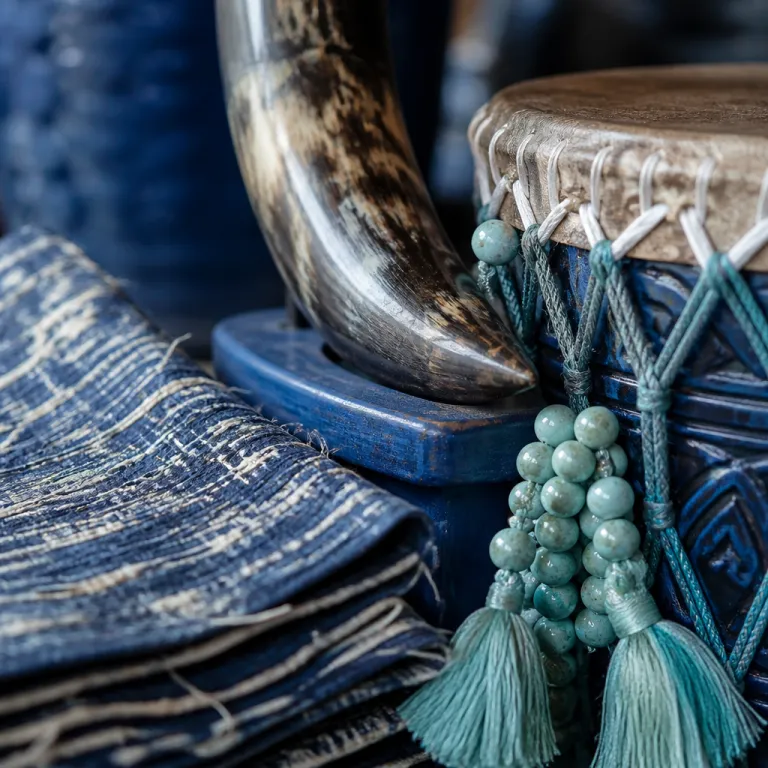
Back in Kampala, the heartbeat of Uganda’s cultural scene is often heard before it is seen. Royal drum makers, whose craft is tied to the Buganda and Bunyoro kingdoms, still shape engoma drums for ceremonies, music dance performances and contemporary bands. For travelers used to polished lobby playlists, standing in a workshop where skins are stretched and shells are carved is a visceral Uganda crafts cultural experience.
Workshops on the outskirts of Kampala welcome visitors by appointment, often arranged through luxury hotels or specialist guides. Here, royal drum makers explain how specific drums signal coronations, funerals or royal visits, and how each instrument’s tone is tuned by hand rather than machine. One expert puts it simply : "They create drums used in traditional ceremonies and cultural events."
Evenings can then pivot to performance at venues such as Ndere Cultural Centre, where traditional dances, storytelling and live music offer a concentrated Uganda cultural immersion. Many premium hotels now design half day cultural tourism programmes that combine a drum workshop, curated craft shopping in reputable craft markets and a reserved table at a music dance show. For business travelers with limited time, this structure allows travelers to experience Kampala’s rich cultural layers without logistical friction or guesswork.
From craft markets to kasubi tombs: curating an authentic cultural circuit
Authentic craft shopping in Uganda begins with one rule : follow provenance, not price. In Kampala, serious travelers skip the most touristy stalls and instead seek curated craft markets where artisans or cooperatives can explain who made each craft and how it fits into local cultural heritage. Hotel concierges who understand cultural tourism will steer guests towards vendors whose work supports communities rather than importers of mass produced souvenirs.
A well designed Uganda crafts cultural experience in the capital often pairs these markets with visits to sites such as Kasubi Tombs, where Buganda kings are buried in a vast thatched structure that anchors Uganda cultural memory. Here, visitors learn how bark cloth, woven mats and other crafts are integrated into royal architecture, turning art into structural heritage rather than mere decoration. Combining Kasubi Tombs with a stop at Ndere Cultural Centre or a smaller cultural centre allows travelers to see how traditional dances, music and crafts interlock as parts of the same narrative.
For those heading west, a similar logic applies around Lake Bunyonyi and the national park circuit that includes Bwindi and Queen Elizabeth. Some lodges now invite local craft groups to demonstrate weaving or bark cloth work on site, while others arrange excursions to nearby communities where visitors learn traditional skills in situ. When evaluating properties on platforms like MyUgandaStay, look for hotels that integrate these experiences Uganda wide as part of their core offering, not as an afterthought bolted onto wildlife safaris.
How luxury lodges are reframing Uganda’s living crafts
The most forward thinking lodges in Uganda now treat crafts as a design principle, not a gift shop category. In properties overlooking Lake Bunyonyi or bordering a national park, bark cloth headboards, hand woven baskets and locally carved stools are commissioned directly from artisans, turning every room into a quiet gallery of Ugandan art. This approach transforms a stay into an ongoing Uganda crafts cultural experience that begins the moment you step into your suite.
Some lodges go further, scheduling daily craft demonstrations that guests can join between safaris or meetings. Bark cloth weavers, royal drum makers and even Ankole cowboys are invited as paid partners, not background entertainment, to share their crafts, stories and perspectives on daily life in their communities. This model respects cultural heritage while creating meaningful experiences Uganda wide that feel aligned with the expectations of discerning business leisure travelers.
For travelers comparing properties, the difference is tangible. A lodge that simply offers wildlife drives may deliver excellent sightings, but one that integrates craft workshops, music dance evenings and guided visits to cultural sites such as Kasubi Tombs offers a richer cultural tourism narrative. When a stay allows travelers to engage with Uganda cultural traditions in this way, the result is a layered experience where wildlife, art and heritage sit comfortably alongside high thread count sheets and flawless service.
Designing a half day cultural programme around Kampala
For executives with a packed Kampala schedule, a well planned half day circuit can still unlock a meaningful Uganda crafts cultural experience. The most efficient itineraries begin with a morning visit to a royal drum workshop, when light is soft and artisans are fully engaged in their craft. From there, a driver can route you through key neighbourhoods where daily life unfolds in markets, roadside stalls and informal music spaces that reveal the city’s rich cultural layers.
Late morning is ideal for structured craft shopping at vetted craft markets, where guides help distinguish authentic crafts Uganda pieces from imported lookalikes. Here, visitors learn how to assess quality in bark cloth, beadwork and wood carving, and how fair pricing supports local communities rather than short term middlemen. A stop at a nearby cultural centre or gallery then offers context, linking what you have bought to broader narratives of cultural heritage and contemporary Ugandan art.
Those with slightly more time can add a visit to Kasubi Tombs or a rehearsal at Ndere Cultural Centre, where traditional dances are refined before evening performances. This sequence allows travelers to see how music dance, crafts and ritual spaces interconnect across Uganda cultural life, even within a tight business itinerary. For deeper context on how language and etiquette shape these encounters, MyUgandaStay’s guide on how the language spoken in Uganda shapes luxury and premium hotel stays offers practical insight for first time visitors.
Linking crafts, wildlife and landscape across Uganda
Uganda’s most compelling itineraries now weave crafts and wildlife into a single narrative arc. A traveler might begin in Kampala with drum makers and craft markets, continue to Bwindi for gorilla tracking, then cross to Lake Bunyonyi for lakeside calm and community led craft encounters. Along the way, each national park adds a different texture, from savannah wildlife to forest canopies, while each lodge layers in its own interpretation of Uganda crafts cultural experience.
Properties that understand this arc design stays where cultural tourism is not a one off activity but a thread running through every day. In the Virunga region, for example, elevated eco luxury lodges with iconic volcano views often collaborate with local craftspeople and performers, a model explored in depth in MyUgandaStay’s review of elevated eco luxury with iconic views of Rwanda’s volcanoes. The same philosophy is now visible in Ugandan lodges that invite guests to learn traditional skills, share meals with communities and reflect on how cultural heritage shapes hospitality.
For travelers interested in how indigenous knowledge informs service beyond any star rating, MyUgandaStay’s feature on what the Batwa trail and the Karamojong homestead teach about hospitality offers a powerful companion read. Together, these perspectives show that the most memorable experiences Uganda wide rarely happen on the lodge deck, but on the forest trail, the cattle path or the workshop floor. When you choose hotels that honour this, your itinerary becomes less about ticking off safaris and more about engaging with a living, evolving Uganda cultural landscape.
FAQ
What is bark cloth and where can I see it in Uganda ?
Bark cloth is a non woven fabric made from the inner bark of the Mutuba tree, traditionally produced in the Buganda region of Uganda. Travelers can visit bark cloth weavers near Kampala or in central Uganda villages, often through programmes arranged by luxury lodges or specialist guides. Many high end hotels now also feature bark cloth in their interiors and host on site demonstrations as part of a broader Uganda crafts cultural experience.
Who are the Ankole cowboys and can visitors meet them ?
Ankole cowboys are herders who care for the indigenous Ankole Longhorn cattle in western Uganda, maintaining a pastoral tradition that stretches back centuries. Several ranches near Lake Mburo National Park and along routes to Lake Bunyonyi now welcome visitors for guided walks, herding demonstrations and storytelling sessions. These visits are often integrated into premium safari itineraries, offering a cultural tourism counterpoint to wildlife focused days.
How can I ensure I am buying authentic Ugandan crafts ?
Authentic craft shopping in Uganda starts with choosing reputable craft markets, galleries or cooperative run shops where artisans can explain the origin of each piece. Look for clear information about materials, techniques and the communities involved, especially for bark cloth, beadwork and wood carving. Luxury hotels with strong cultural partnerships usually recommend vetted vendors, helping travelers support local economies while avoiding mass produced imports.
Are cultural performances in Kampala tourist traps or genuine experiences ?
Venues such as Ndere Cultural Centre in Kampala present curated performances of traditional dances, music and storytelling that are designed for visitors yet rooted in genuine cultural practice. Many performers train extensively and work closely with cultural institutions to maintain accuracy in costume, choreography and narrative. For a deeper experience, combine an evening show with daytime visits to drum workshops or cultural sites like Kasubi Tombs, which provide historical context.
Can I fit meaningful cultural activities into a short business trip ?
Yes, a carefully planned half day in Kampala can include a royal drum workshop, focused craft shopping and a visit to a key heritage site or cultural centre. Many premium hotels now offer structured Uganda crafts cultural experience packages tailored to business travelers with limited time. Working with a concierge or specialist operator ensures logistics are smooth, allowing you to engage with Uganda cultural life without disrupting your professional commitments.