Sanctuary gorilla forest camp Uganda as a rare nature retreat
Sanctuary gorilla forest camp Uganda sits inside Bwindi Impenetrable National Park, wrapped by dense forest and mist. This intimate forest camp offers direct access to gorilla trekking while maintaining refined comfort and attentive service. For people planning luxury travel in Uganda, it is one of the few lodges located within the national park boundaries.
The lodge lies in the heart of the gorilla forest, so guests often see gorillas and other wildlife moving through the forest canopy around the rooms. Because the forest lodge is within walking distance of the trailheads, you start your trek without long transfers on rough roads. Many travellers describe their stay as a deeply memorable experience that feels both secluded and closely connected to the surrounding community.
Each day at the camp revolves around the rhythm of the forest and the nearby village life. Mornings focus on gorilla trekking or guided walks through the impenetrable forest, while afternoons slow down for spa treatments or quiet time on your veranda. Evenings bring stories from the guides about mountain gorillas, the Batwa people, and conservation in Uganda Bwindi, turning a simple visit into a layered Africa travel experience. One senior guide summed it up after a long day on the trails: “You come for the gorillas, but you remember how the whole forest made you feel.”
Planning gorilla trekking from a luxury lodge in Bwindi
For most people, sanctuary gorilla forest camp Uganda is all about gorilla trekking in Bwindi. The lodge’s location inside Bwindi National Park means you often start your trek closer to the gorilla family you are allocated. This reduces the time spent reaching the forest edge and increases the time you can spend with the gorillas once you find them.
Gorilla trekking permits in Bwindi Impenetrable are limited each day, so serious planners secure both permits and lodge reservations months in advance. Uganda Wildlife Authority (UWA) recommends booking several months ahead, and in peak seasons many travellers plan six to twelve months in advance. A specialist African safari operator can coordinate flights, transfers, and the right forest lodge or camp combinations across Uganda, Rwanda, and other parts of Africa. Time poor executives or business travellers often choose a fly in itinerary that links Bwindi with other parks; for this style of trip, a resource such as a five night, three park fly in safari plan can be a useful planning reference.
On the trekking day, you leave the lodge early, meet your ranger guides, and receive a briefing about gorilla forest etiquette. The trek through the impenetrable forest can last from one to several hours, depending on where the gorilla family has moved overnight. When you finally visit the group, current Uganda Wildlife Authority guidelines, aligned with International Gorilla Conservation Programme (IGCP) and IUCN best practice, allow a maximum of one hour of viewing with a habituated gorilla family, usually at a close but regulated distance of about seven metres. These rules are published through official UWA communications and conservation partner summaries so visitors can check the latest version before travelling. Many travellers say that this focused hour feels surprisingly long and intense, often becoming the emotional high point of their Africa travel experience.
Wellness, slow travel, and recovery after a gorilla day
Sanctuary gorilla forest camp Uganda is not only about the adrenaline of gorilla trekking; it is also about recovery and reflection. After a demanding trek in Bwindi’s steep forest, guests often crave quiet, warmth, and gentle care. The camp’s spa and wellness offerings are designed around this specific post trek need.
Many travellers now build a slower day into their Uganda Bwindi itinerary to rest between treks or before flying to another park. This pause might include a massage that focuses on tired legs, a soak with views of the forest canopy, or a guided meditation listening to the forest sounds. For ideas on how to integrate wellness into a broader African safari, resources such as a dedicated gorilla day recovery massage and wellness program, described in specialist Uganda wellness programming features, can help shape a balanced schedule.
Slow travel at this forest lodge also means unhurried time in camp, watching the mist lift from the impenetrable forest while birds move through the trees. Some guests choose to spend hours on their private deck, letting the sounds of the park replace constant digital noise. Others take a gentle village walk rather than a full trek, meeting local people and learning how the community lives alongside Bwindi National Park and its mountain gorillas.
Community, Batwa people, and responsible luxury in Bwindi
Staying at sanctuary gorilla forest camp Uganda places you at the intersection of conservation, culture, and comfort. The camp works closely with the surrounding community, including the Batwa people, who once lived as hunter gatherers in the impenetrable forest. Today, carefully designed cultural visits allow guests to learn about Batwa traditions while supporting local livelihoods.
Guided walks from the lodge often pass through the nearby village, where you can visit a school, a craft cooperative, or even a local hospital supported by tourism revenue. These encounters help travellers understand how gorilla trekking fees and lodge employment contribute to healthcare, education, and infrastructure in this remote part of Uganda. Responsible travel here means recognising that every visit to the gorilla forest has a direct impact on the people who call Bwindi home.
Many guests describe their time with the Batwa people as a powerful encounter that deepens their connection to Africa beyond wildlife sightings. You might join a traditional dance, listen to stories about life before Bwindi became a national park, or see how medicinal plants from the forest are still used. By the time you leave, the word community feels less abstract and more like a network of individuals whose futures are tied to the health of the gorillas and the forest itself.
Practical details: access, walking distance, and lodge comforts
Reaching sanctuary gorilla forest camp Uganda usually involves a domestic flight to Kihihi or Kisoro, followed by a scenic drive into Bwindi National Park. From Entebbe, scheduled flights to Kihihi typically take about one hour, with a road transfer of roughly one and a half to two hours into the Buhoma sector; flights to Kisoro are similar in duration, with onward drives of around two hours to the southern trailheads. The road winds through hills, tea plantations, and small village centres, giving a first glimpse of rural Uganda. Travellers who have visited other parts of Africa often comment that the approach to Bwindi feels uniquely lush and dramatic.
Once at the forest camp, you will find that key facilities are within comfortable walking distance of your tented suite. Paths link the main lodge, dining area, spa, and firepit, all set beneath the forest canopy with views into the gorilla forest. Inside, you can expect generous beds, deep bathtubs, and thoughtful touches such as hot water bottles on cool nights, which make the camp feel both cosy and refined.
Staff at the lodge are experienced in hosting people who have come specifically for gorilla trekking and other Bwindi activities. They help organise laundry after muddy treks, arrange packed breakfasts for early starts, and coordinate with park rangers about your assigned gorilla family. For those combining Bwindi with other regions, such as Queen Elizabeth National Park’s southern plains, resources like a sector guide to Ishasha’s tree climbing lions and its lodges, available through specialist Uganda safari planning articles, can help you choose the right sequence of stays.
Why Bwindi’s impenetrable forest belongs on your bucket list
For many travellers, sanctuary gorilla forest camp Uganda is the anchor of a long imagined bucket list journey. Bwindi Impenetrable National Park protects roughly half of the world’s remaining mountain gorillas, making it a place of global significance. Staying at a forest lodge inside the park allows you to experience this impenetrable national treasure with minimal daily travel and maximum immersion.
During your visit, you might join more than one trek, increasing your chances of meeting different gorilla families in varied parts of the forest. Each trek offers a distinct experience; one day you may climb steep ridges under a closed forest canopy, another day you may follow a stream through lighter vegetation. People who have visited several times often say that no two gorilla trekking days feel the same, even within the same section of Uganda Bwindi.
Beyond the gorillas, Bwindi’s birdlife, butterflies, and rare plants reward those who slow down and look closely. Guided forest walks without a gorilla focus can reveal chameleons, orchids, and viewpoints over the park’s folded hills. When you combine these quieter moments with the intensity of a close gorilla encounter, the overall travel experience becomes one of the most layered and memorable in Africa.
Designing a wider Uganda itinerary around Bwindi
While sanctuary gorilla forest camp Uganda can stand alone as a destination, many travellers weave it into a longer Uganda journey. A classic African safari circuit might link Bwindi with Queen Elizabeth National Park for savannah wildlife and Murchison Falls National Park for river based game viewing. This combination balances the intimacy of the gorilla forest with the wide open landscapes that many people associate with Africa.
When planning, consider how many days you want to spend in each park and how much time you prefer in transit. Some guests choose to spend hours on scenic drives between regions, stopping in village markets and viewpoints along the way. Others prioritise more time in camp and opt for short flights, using Bwindi as the high point of a carefully paced travel design.
Whatever route you choose, anchoring your itinerary around Bwindi National Park and its mountain gorillas gives the journey a clear emotional centre. The memory of your gorilla family encounter, the faces of the Batwa people you met, and even the sight of the local hospital supported by tourism tend to stay vivid long after you return home. For many, this depth of connection is what transforms a simple visit into a truly rewarding experience.
Key figures on gorilla conservation and Bwindi tourism
- According to the International Union for Conservation of Nature, the global population of mountain gorillas has risen to just over 1,000 individuals, with roughly half of them living in Bwindi Impenetrable National Park and its surrounding protected areas, showing how tightly tourism and conservation are linked here (IUCN Red List assessments updated 2018–2020; readers can verify current figures through the latest IUCN Red List entries for mountain gorillas).
- Uganda Wildlife Authority data indicate that gorilla trekking permits in Uganda are capped at a limited number per day per habituated gorilla family, which helps control visitor impact on the impenetrable forest ecosystem while sustaining revenue for park management. As of 2024, UWA publishes current permit prices and availability on its official channels, and travellers are advised to check these sources or consult a licensed tour operator for up to date costs.
- Studies referenced by conservation organisations such as the World Wildlife Fund report that more than 60 percent of operational funding for some protected areas in this region of Africa comes from tourism activities like gorilla trekking, underlining why each visit has financial significance. These findings are summarised in WWF conservation finance reports that review protected area budgets and tourism income.
- Research published by the International Gorilla Conservation Programme notes that community revenue sharing schemes around Bwindi have channelled a portion of park income into local projects, including schools and at least one local hospital, helping align community interests with gorilla protection (IGCP programme reports, 2018–2022, which travellers can consult for detailed case studies and figures).
FAQ about sanctuary gorilla forest camp Uganda and Bwindi
How many days should I stay at sanctuary gorilla forest camp Uganda ?
Most travellers find that three nights at sanctuary gorilla forest camp Uganda allows time for one or two gorilla trekking days plus a slower day for rest or community visits. Shorter stays can feel rushed, especially if you want to explore both the forest and the nearby village. Longer stays suit people who value slow travel and deeper immersion in the gorilla forest environment.
How difficult is the gorilla trekking in Bwindi Impenetrable National Park ?
Gorilla trekking in Bwindi can be physically demanding because the terrain is steep, the altitude is moderate, and the vegetation is dense. Trek durations vary widely, from under two hours to most of the day, depending on where the gorilla family has moved. Hiring a porter and using a walking stick can make the trek more manageable for people with average fitness.
Is sanctuary gorilla forest camp within walking distance of the park headquarters ?
Yes, one of the advantages of sanctuary gorilla forest camp Uganda is its location within Bwindi National Park, close to key ranger posts and briefing points. Many guests can reach the starting point for their trek by a short drive or, in some cases, a brief walk, reducing early morning travel time. This proximity also means you remain surrounded by the forest canopy throughout your stay.
What should I pack for a stay at a forest lodge in Bwindi ?
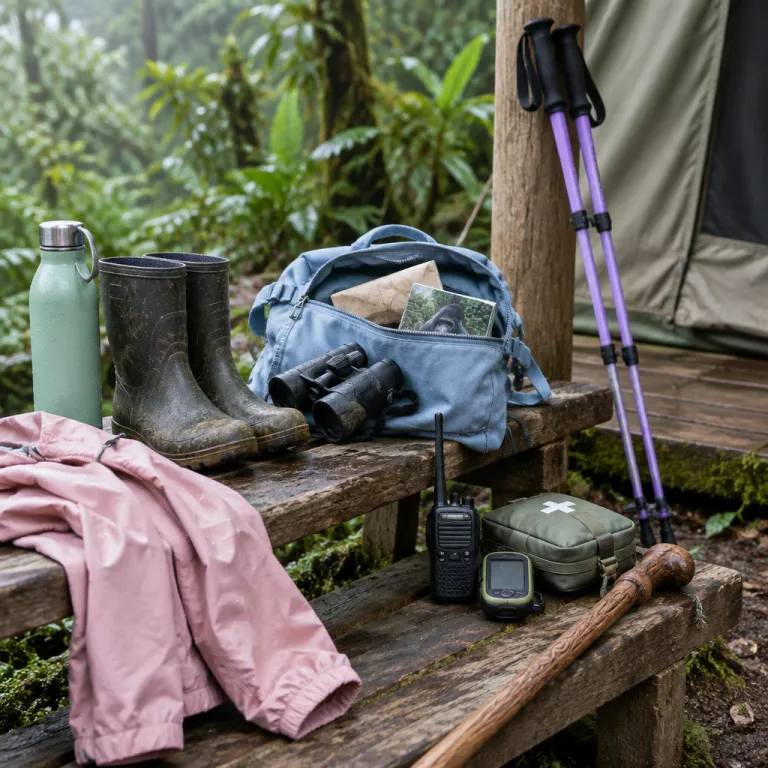
For a stay at a forest lodge such as sanctuary gorilla forest camp Uganda, pack sturdy trekking boots, long trousers, a lightweight waterproof jacket, and layers for cool evenings. Gardening gloves or similar hand protection help when moving through the impenetrable forest vegetation. Do not forget insect repellent, sunscreen, and any personal medication, as the nearest large local hospital may be several hours away.
Can I combine Bwindi with other parks on an African safari ?
Yes, many itineraries combine Bwindi with other Ugandan parks such as Queen Elizabeth National Park, Kibale National Park, or Murchison Falls National Park. This approach lets you pair intimate gorilla encounters with classic game drives and river safaris. Working with a specialist operator helps coordinate flights, transfers, and lodge choices so that your overall Africa travel experience feels seamless.