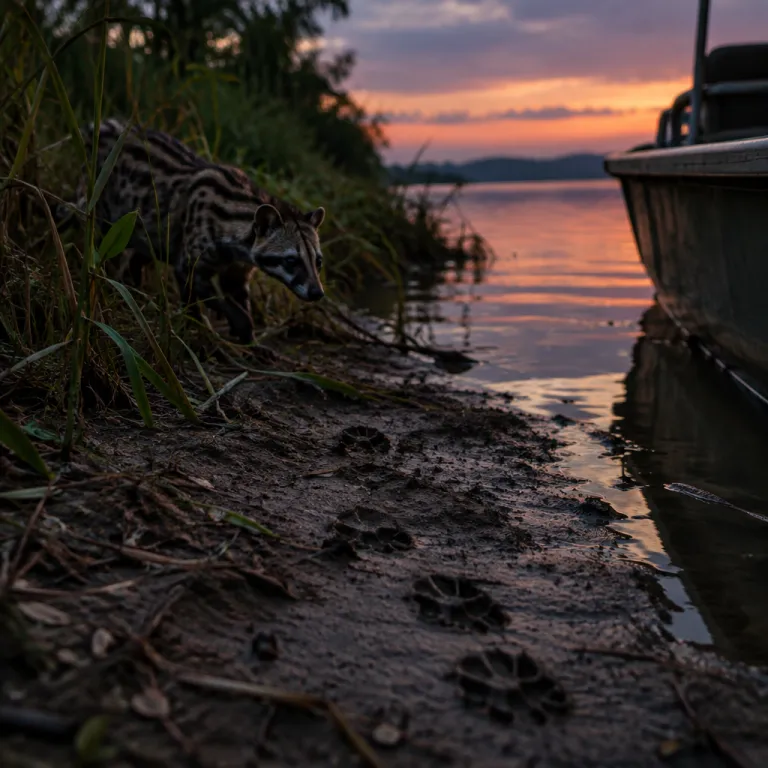
Why Uganda walking safari experiences change how you see the wild
Step out of the vehicle and a Uganda walking safari immediately feels more intimate. On foot in a national park, every rustle in the forest and every track in the dust becomes part of the story you will remember long after the flight home. This is where a luxury African stay in Uganda stops being only about the safari lodge and starts being about how you move through the landscape itself.
Across East Africa, Uganda is unusually well suited to walking safaris because several parks hold rich wildlife without dense numbers of big predators. Lake Mburo National Park and designated sectors of Murchison Falls National Park allow guided walking safaris with armed rangers, so you can study tracks, insects and birds at a pace that vehicle safaris rarely match. Uganda Wildlife Authority (UWA) regulates these walking activities, sets minimum age and group size rules, and provides rangers, which means serious solo travelers can focus on the experience rather than the logistics of safety.
For guests booking premium rooms, the key is choosing a safari lodge that treats a walking safari as a core experience rather than an optional extra. Properties around Lake Mburo, Queen Elizabeth and Murchison Falls national parks now design two or three days and nights where a morning walk, an afternoon boat safari and an evening game drive fit together as one narrative. This multi-layered approach to safaris in Uganda gives you a sense of the park as a living system, not just a backdrop for photographs.
Lake Mburo and Kidepo: where walking safaris come into their own
Lake Mburo is the most versatile park in Uganda for combining walking safaris, boat trips and night drives in a short stay. With large predators relatively scarce in this national park, guided walking safaris with an armed ranger feel calm yet thrilling, and you will often approach zebra, impala and eland on foot while keeping a respectful distance. Uganda Wildlife Authority records list around 315 bird species here, so a slow walk along the lake edge becomes an African safari masterclass in everything from African fish eagles to shy papyrus specialists such as the papyrus gonolek.
Plan at least one or two days and nights at a safari lodge inside or just outside Lake Mburo National Park if you want to balance walking, boating and classic game drives. Morning walks reveal tracks, dung and smaller wildlife that you would miss from a vehicle, while a two-hour boat safari on the lake shows hippos, Nile crocodiles and dense birdlife along the shore. In the evening, night drives using red-filtered spotlights reveal nocturnal species such as bushbabies and hyenas and give you a sense of how the park changes after dark, which is something many Africa safari itineraries overlook.
Further north, Kidepo Valley National Park offers a more remote version of the Uganda walking safari, with vast savannahs framed by mountain ridges and a strong sense of East Africa before mass tourism. Here, walking safaris are usually arranged through your safari lodge in partnership with park authorities and local communities, and they work well for solo travelers who value silence and space. If you are planning refined things to do in Uganda for luxury travellers, this combination of guided walk, evening fire and big-sky views belongs near the top of your list, and you can explore it in more depth through our guide to refined experiences for luxury travellers in Uganda.
Boat safaris on the Kazinga Channel and Victoria Nile: wildlife from the waterline
Where a walking safari brings you eye level with tracks and grasses, a boat safari in Uganda shifts your focus to the waterline. On the Kazinga Channel in Queen Elizabeth National Park, slow boat safaris pass dense pods of hippos, basking crocodiles and elephants that come down to drink, all framed by a backdrop of fishing villages and open savannah. This is one of the best places in Africa to understand how human life and wildlife share the same lake and river systems.
Farther north, the Victoria Nile in Murchison Falls National Park offers a different style of Africa safari from the deck of a small boat. Cruising upriver toward the thunder of Murchison Falls, you will see Rothschild’s giraffes, buffalo and abundant birdlife along the banks, while the cliffs around the falls themselves give a sense of mountain drama without any need for technical trekking. Many luxury African properties here pair an afternoon boat safari with a morning game drive, so your days and nights in the park feel balanced and unhurried.
Solo travelers who enjoy walking and trekking often combine these boat safaris with a day hike to the top of Murchison Falls or with longer mountain walks in the Rwenzori range, which you can approach in comfort using our guide to trekking the Rwenzori without roughing it. This blend of water-based wildlife viewing and highland trekking shows why safari Uganda itineraries can feel richer than a standard African safari elsewhere in East Africa. When you return to your safari lodge after a day split between walk and water, the sense of having read the landscape from several angles is hard to beat.
Night drives, forests and primates: when Uganda’s wildlife changes shift
Once the sun drops, Uganda’s national parks reveal a different cast of wildlife and a different mood. Night drives, always conducted with rangers and red-filtered spotlights, show how predators, small carnivores and nocturnal birds move through the same tracks you walked that morning. As one official answer from Uganda Wildlife Authority puts it, "Are night drives safe? Yes, with rangers in the vehicle; red-filtered lights reduce disturbance."
Lake Mburo again stands out because you can combine a late afternoon walk, a dusk boat safari and a night drive in a single twenty-four-hour window, which is rare in Africa safari destinations. Queen Elizabeth National Park also offers night drives in selected sectors, and the contrast between daytime elephant herds and after-dark sightings of genets, civets and lions on the move is striking. For solo explorers, this rhythm of walk, water and night drive turns a standard safari into a layered experience that feels more like fieldwork than sightseeing.
Forested parks add another dimension, especially when you move from savannah to forest on the same trip. In Kibale National Park, guided forest walks focus on chimpanzees and other primates, while in Bwindi Impenetrable National Park the emphasis is on gorilla trekking through steep slopes and dense vegetation. These are not walking safaris in the classic savannah sense, but they share the same principle that you will understand wildlife best when you move through its habitat on foot.
From gorilla trekking to forest walks: choosing lodges that match your pace
Gorilla trekking in Uganda is the headline experience for many travelers, and it shapes how you should think about your wider Uganda walking safari itinerary. In the Bwindi Impenetrable region, luxury African lodges position themselves along the forest edge so that you can step from your room into the trailhead for mountain gorillas, with armed rangers and trackers leading the way. The impenetrable forest lives up to its name, and the walk can be steep, but the moment you stand quietly among gorillas in a forest clearing reframes every other African safari you will take.
Solo travelers who value walking often pair gorilla trekking in Bwindi with chimpanzee tracking and forest walks in Kibale National Park, where the forest is lower and the paths more defined. Kibale’s mix of primates, birds and butterflies makes it a natural complement to the open savannah of Lake Mburo or Queen Elizabeth, and staying in a safari lodge that offers guided walks on its own concession as well as inside the park works well. This way, your days and nights alternate between structured activities such as gorilla trekking and more spontaneous walks where you set the pace.
On a longer safari Uganda itinerary, consider adding time in the crater lake region near Fort Portal, where gentle walks between villages, tea estates and small lakes offer a softer counterpart to the intensity of the impenetrable forest. Here, the emphasis is less on headline wildlife and more on landscape, culture and the pleasure of returning to a well-run property after a day on foot. For a deeper sense of how these slower experiences fit into a high-end trip, our feature on the Ugandan lodge breakfast and morning rituals shows how even the first meal of the day can become part of your walking rhythm.
Practical planning: how to book lodges and build a ground level itinerary
Designing a Uganda walking safari as a solo traveler starts with choosing the right sequence of parks and the right safari lodge in each. A classic ground-level route might link Lake Mburo, Queen Elizabeth, Kibale National Park and Bwindi Impenetrable, with an optional extension to Murchison Falls for its boat safaris and dramatic gorge. This circuit keeps driving times reasonable while giving you a mix of savannah, forest and lake landscapes, each suited to different styles of walking safaris and boat-based wildlife viewing.
When comparing properties, look beyond room categories and ask very specific questions about walking, night drives and boat access. Some lodges sit inside a national park boundary and can arrange early walking safaris with Uganda Wildlife Authority rangers, while others outside the gate rely on vehicle transfers that eat into your best wildlife hours. Check whether guided walks on private land are included, whether night drives are permitted in that sector and how many guests typically share a vehicle or boat, because these details will shape your experience as much as any design feature.
Packing for safaris in Uganda is straightforward but benefits from a few expert touches. Neutral clothing works well for both walking and vehicle safaris, and avoiding blue or black fabrics helps reduce attention from tsetse flies in some areas. Bring a small daypack for each walk, a warm layer for night drives, and binoculars that you are comfortable carrying, because the more you engage with tracks, birds and distant movement, the more your Africa safari will feel like a personal field journal rather than a packaged tour.
FAQ
Can I walk among big predators in Uganda’s national parks ?
No, you cannot walk among big predators in Uganda, and that is a deliberate safety policy. Guided walking safaris take place in areas of each park where large predators and elephants are scarce or absent, such as sections of Lake Mburo National Park. This allows you to enjoy a walking safari with an armed ranger while keeping risk at an acceptable level.
Are night drives and walking safaris safe for solo travelers ?
Night drives and walking safaris in Uganda are tightly regulated and always led by certified guides and Uganda Wildlife Authority rangers. Vehicles on night drives use red-filtered spotlights to reduce disturbance to wildlife while maintaining visibility for guests. Solo travelers are simply added to small mixed groups, so you benefit from shared expertise without needing your own private guide.
Which park is best for combining walking, boat and night safaris in a short stay ?
Lake Mburo National Park is the most efficient choice if you want walking safaris, boat safaris and night drives in just one or two days and nights. The compact size of the park and the concentration of wildlife around the lake mean you spend less time driving and more time on foot or on the water. Several lodges here specialise in this mix, making it ideal for a first Uganda walking safari.
How does gorilla trekking fit into a wider Uganda walking safari itinerary ?
Gorilla trekking in Bwindi Impenetrable National Park is more strenuous than most savannah walks, but it complements them beautifully. Many travelers start with lighter walking safaris in Lake Mburo or Queen Elizabeth before heading to Bwindi for a day with mountain gorillas in the impenetrable forest. Ending with forest walks in Kibale National Park or the crater lake region gives your legs and senses a gentler finale.
When is the best time of year for walking safaris and boat trips in Uganda ?
Dry seasons generally offer the best conditions for walking safaris and boat safaris in Uganda, because trails are firmer and wildlife concentrates around remaining water sources. Morning walks and late afternoon boat trips are usually scheduled to avoid the hottest hours, which keeps the experience comfortable. Night drives operate year-round, but clear dry-season nights tend to offer better visibility and easier photography.