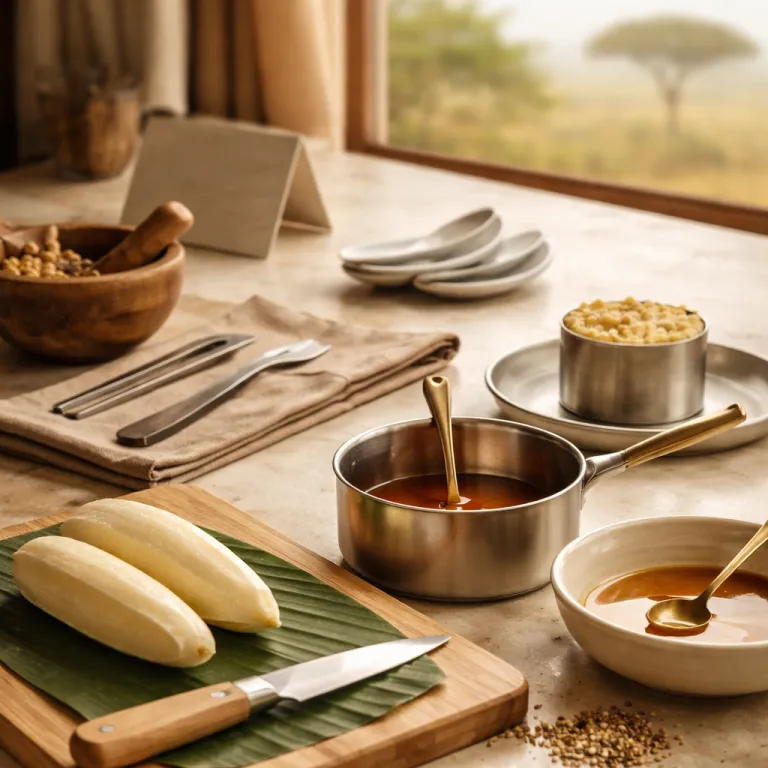
Ugandan luxury cuisine as a reason to extend your stay
Ugandan luxury cuisine is no longer a token nod on hotel menus. In Kampala and across Uganda, food has become a compelling reason to add nights, not just a pleasant dish between meetings and safari transfers. Executives who once defaulted to international dishes now plan itineraries around where the best matoke, luwombo and eshabwe are cooked with precision and served with confidence.
In the capital, a growing cluster of high end restaurants anchors a new wave of Ugandan culinary ambition. Chefs in these dining rooms treat Ugandan cuisine with the same respect they give to imported beef or European sauces, sourcing fresh ingredients from local farmers and plating with modern restraint. At properties such as Kampala Serena Hotel, Latitude 0° Kampala and Sheraton Kampala Hotel, menus now feature carefully described local dishes alongside global classics, creating a culinary language where a national dish like matoke in groundnut sauce can sit beside a dry aged steak without feeling like a themed sideshow.
For business travelers, this shift matters. You might land in Uganda for a board meeting, then stay on for a Uganda safari or gorilla trekking in Bwindi Impenetrable National Park, but it is often the food that persuades you to keep the room for an extra night. When Ugandan food is handled well, every course tells you something about the country, from the banana leaves that wrap a luwombo to the millet bread that carries a silky ghee based sauce.
Matoke and the quiet power of a national dish
Matoke, steamed and mashed green bananas, is widely regarded as a Uganda national emblem on the plate. In luxury hotels, the difference lies in how this national dish is treated, from the quality of the banana varieties to the depth of the accompanying sauce. When matoke is cooked slowly and paired with long simmered beef or beans in groundnut sauce, it becomes the anchor of Ugandan luxury cuisine rather than a filler starch.
Look for kitchens that steam matoke in banana leaves, not in metal trays alone. The leaves trap moisture and infuse a subtle, grassy flavor that connects the dish directly to the plantations of western Uganda and the fertile hills of East Africa. In Kampala’s top dining rooms, including venues like The Pearl of Africa at Kampala Serena Hotel and The Other Side at Latitude 0° Kampala, chefs often finish the mashed matoke with clarified butter or local ghee, then season it with just enough seasoned salt to lift the natural sweetness without masking it.
For a business leisure guest, this is where Uganda food starts to feel genuinely premium. A plate of matoke with slow braised beef and a glossy groundnut sauce can hold its own beside any European main course, especially when the meat is sourced from highland farms in regions such as Ankole and cooked to a tender, spoonable texture. In 2023, a Kampala Serena Hotel chef described their signature matoke as “our quiet luxury dish – simple ingredients, cooked with the same care as a fine steak,” a sentiment that captures how seriously Uganda cuisine is now taken in the city’s best hotels.
Luwombo and banana leaf cooking at fine dining level
Luwombo is the dish that tells you whether a hotel kitchen truly understands Ugandan food. Traditionally, this is meat, chicken, fish or even vegetable stews sealed in banana leaves and slow cooked over charcoal until the sauce thickens and the ingredients almost melt together. In the luxury context, the challenge is to keep that deep, smoky flavor while presenting the dish in a way that suits a tasting menu or a boardroom dinner.
In Kampala’s leading properties, chefs now prepare individual luwombo parcels, each banana leaf bundle sized for one guest. The parcels arrive at the table on warm plates, sometimes opened by the server so the first rush of steam and aroma becomes part of the culinary theatre. Inside, you might find beef cubes in a rich groundnut sauce, or delicate fish cooked with tomatoes, onions and local herbs, each dish layered with flavor but never heavy. Menus at hotels such as Speke Resort Munyonyo and Fairway Hotel & Spa often describe the specific fillings and cooking times, giving guests a clear sense of what to expect.
Handled well, luwombo can be the highlight of Ugandan luxury cuisine for travelers who have just come off a Uganda safari in one of the national parks. After days of grilled meat at a lodge in Queen Elizabeth National Park or Murchison Falls National Park, the gentle, moist heat of banana leaves feels restorative, especially when paired with matoke or millet bread. For executives extending a stay, a well executed luwombo tasting course can be the moment when Uganda culinary traditions feel as sophisticated as any fine dining experience in Africa.
From celebration dish to tasting menu star
Historically, luwombo has been a celebration dish, reserved for weddings, coronations and major family gatherings. Luxury hotels now translate that sense of occasion into multi course menus, using smaller luwombo portions as a centerpiece between lighter starters and modern desserts. The key is balance, because the sauce inside a traditional luwombo can be intensely rich if the chef is not careful.
Watch how the kitchen handles the ratio of ingredients to sauce. In a refined version, the meat or vegetables should be clearly defined, not lost in a pool of oil or over reduced gravy, and the banana leaves should impart aroma without leaving fibrous traces in the dish. Some of the best Uganda cuisine in Kampala now pairs luwombo with crisp local greens or bright vegetable stews, cutting through the richness and showcasing the breadth of Ugandan cuisine on a single plate. In interviews compiled by the Uganda Tourism Board for its culinary promotion campaigns, chefs often highlight this balance as the difference between a nostalgic dish and a modern signature.
For travelers heading to gorilla trekking lodges or a remote national park, this kind of luwombo experience in the capital sets a benchmark. You start to notice which safari properties treat banana leaves as more than a prop and which ones genuinely understand their role in flavor and texture. When a hotel can move luwombo seamlessly from a clay pot in a village kitchen to a white tablecloth dining room, you know you are in the hands of serious culinary experts.
Eshabwe, ghee and the elegance of western Uganda
Eshabwe, a pale, ghee based sauce from western Uganda, is one of the most misunderstood elements of Ugandan cuisine in luxury settings. Many international chefs shy away from it, worried that its richness will overwhelm guests who are used to lighter sauces. In reality, when eshabwe is handled with restraint and paired with the right dishes, it becomes one of the most refined expressions of Ugandan luxury cuisine.
Traditionally, eshabwe is served with millet bread or matoke, allowing the neutral starch to carry the sauce without competition. In Kampala’s high end restaurants, you now see eshabwe used as a delicate drizzle over grilled meat, or as a warm dipping sauce for roasted vegetables, with seasoned salt and local herbs bringing structure to the flavor. The best versions use ghee clarified from fresh local milk sourced from Ankole cattle, giving the sauce a clean, nutty profile rather than a heavy, oily finish.
For the business traveler, this is where Uganda culinary culture starts to feel quietly luxurious. A plate of perfectly cooked beef, a spoon of eshabwe and a side of millet bread can be as memorable as any steakhouse dinner, especially when the ingredients are sourced from farms near the national parks of western Uganda. When a hotel sommelier pairs this with a serious wine or a single estate coffee from regions like Sipi or the Rwenzori Mountains, Ugandan food steps confidently into the global fine dining conversation.
Why ghee deserves more space on luxury menus
The ghee question is simple. Most imported hotel concepts arrive in Uganda with a bias toward olive oil and butter, leaving local ghee and sauces like eshabwe underused. That is a missed opportunity, because ghee carries the aroma of the highland pastures and connects a dish directly to the dairy traditions of East Africa.
Chefs who understand Uganda cuisine are now using ghee not only in eshabwe but also to finish vegetable stews, enrich groundnut sauce and glaze grilled meats. A small spoon of ghee stirred into a pot of beans or a pan of sautéed greens can transform the flavor, giving depth without heaviness when the heat is controlled. In the context of Ugandan luxury cuisine, this kind of detail separates a generic international menu from a truly local, high end culinary experience.
As you compare hotel options, read menus carefully and ask how often ghee and eshabwe appear in the rotation. Properties that invest in training their culinary équipe to handle these sauces with precision usually show the same care in other areas, from coffee programs to room service. In a market where many travelers arrive for a Uganda safari or gorilla trekking, that level of attention to local flavor is a strong indicator of overall hospitality quality.
Street food, coffee culture and the pull of Kampala
The streets of Kampala are where you feel the heartbeat of Ugandan food before you ever sit down in a white linen dining room. On the streets Kampala is famous for the Rolex, a rolled chapati with eggs, tomato and onion that has become a symbol of Uganda food culture. Luxury hotels now reinterpret this street food classic, serving miniature Rolex bites as canapés or late night room service, bridging the gap between everyday life and Ugandan luxury cuisine.
One verified perspective from local food guides captures this shift clearly: when asked, “What is a popular luxury dish in Uganda?” many point to “Luwombo, a traditional stew cooked in banana leaves.” That same logic now applies to elevated street food, where chefs take humble dishes and refine the ingredients, using free range eggs, hand stretched chapati and carefully balanced seasoned salt. When you taste a Rolex in a high end bar after a day of meetings, you are not just eating a snack; you are tasting a city that has learned to move seamlessly between informal and formal culinary spaces.
Coffee culture is undergoing a similar transformation. Uganda is one of the world’s significant coffee producers, and luxury lodges and city hotels are finally treating estate sourcing as seriously as wine lists, offering single origin pours from regions near national parks and western Uganda. At properties such as Latitude 0° Kampala and boutique lodges around Lake Victoria, baristas highlight farm names and processing methods on their menus. For the executive extending a stay, a quiet hour with a meticulously brewed cup and a plate of small Ugandan dishes can be as restorative as any spa treatment.
From streets Kampala to tasting menus
High end restaurants in Kampala now use street food as a creative laboratory. You might see a deconstructed Rolex on a tasting menu, or a refined version of roadside grilled meat served with a glossy groundnut sauce and a side of matoke. The key is respect for the original dish, not a gimmicky reinterpretation that strips away the soul.
When you evaluate hotel dining options, ask how the kitchen engages with the streets Kampala beyond occasional themed nights. Some of the most interesting Uganda culinary programs involve collaborations with street vendors, bringing their techniques into professional kitchens and elevating them with better ingredients and equipment. This approach aligns with the broader movement toward community based luxury experiences in Uganda, where food, villages and national parks are part of one continuous narrative.
If you want to understand how deeply a property is rooted in local culture, look at how it treats street food and coffee. A hotel that can serve an impeccable espresso from a nearby estate, followed by a refined take on a Rolex or grilled meat skewer, is a hotel that understands Uganda cuisine as a living, evolving force. For business travelers, that means every meal can double as a briefing on the country you are investing time and capital in.
Where to book: Kampala hotels that respect Ugandan cuisine
Not every luxury property in Uganda gives its culinary program the attention it deserves. When you are choosing a hotel in Kampala, look for restaurants that clearly position Ugandan cuisine at the center of their offering, not as a token corner of the menu. The most compelling dining rooms treat local dishes as the main narrative, with international options playing a supporting role.
Start by examining how the hotel talks about Uganda food in its materials. Do they mention matoke, luwombo, eshabwe, millet bread and vegetable stews by name, or do they hide behind generic references to African cuisine and safari inspired grills? A serious property will highlight its partnerships with local farmers and food suppliers, its use of fresh ingredients and its commitment to traditional cooking methods presented with modern precision. Hotels such as Kampala Serena Hotel, Latitude 0° Kampala and Speke Resort Munyonyo often reference these details in brochures, menus and Uganda Tourism Board listings.
For travelers combining boardrooms with a Uganda safari, proximity to the city’s culinary hotspots matters. Staying in central Kampala allows you to move easily between hotel restaurants, independent dining rooms and the streets Kampala, building a complete picture of Ugandan food culture. As you plan side trips to national parks or gorilla trekking bases, consider adding a night on either end of your journey specifically to explore Ugandan luxury cuisine in the capital.
How to read a luxury menu in Uganda
When you sit down in a high end restaurant, scan the menu for a few key signals. A strong Uganda cuisine program will feature at least one luwombo, a matoke based main course, a dish using eshabwe or ghee, and a thoughtful selection of local meat and fish. Look for mentions of banana leaves, groundnut sauce and millet bread, all of which indicate a kitchen that understands the building blocks of Ugandan cuisine.
Ask how often the menu changes and how the chefs work with seasonal ingredients from different regions, including western Uganda and areas near major national parks. Properties that rotate dishes based on what is fresh from local farms tend to deliver better flavor and a more authentic sense of place. For a deeper perspective on how food and community intersect at the high end, the analysis of community based tourism in Uganda on myugandastay.com offers valuable context on why the best luxury experiences now run through villages, not around them.
Ultimately, Ugandan luxury cuisine is a lens through which to judge the seriousness of any hotel you are considering. A property that invests in its culinary équipe, respects traditional dishes and uses local ingredients with skill is likely to excel in service, sustainability and guest experience. For the business leisure traveler, that means every plate of Ugandan food is both a pleasure and a reliable indicator that you chose the right place to stay.
FAQ
Do luxury restaurants in Kampala require reservations
Most upscale restaurants in Kampala strongly recommend reservations, especially for dinner. The city now has a compact but busy set of luxury dining establishments, and prime tables fill quickly on weekdays and weekends. For business travelers with tight schedules, booking ahead through your hotel concierge or the restaurant’s reservation line is the safest option.
Can I find vegetarian options in Ugandan luxury cuisine
Yes, vegetarian dishes are widely available in high end restaurants that focus on Ugandan cuisine. Many kitchens offer rich vegetable stews, beans in groundnut sauce, grilled greens and matoke based plates without meat. Always mention your preferences in advance so the culinary équipe can plan a balanced menu.
What should I look for in a hotel if I care about local food
Choose hotels that highlight Uganda food and specific dishes like matoke, luwombo and eshabwe in their restaurant descriptions. Ask whether they source ingredients from local farmers and how they integrate traditional cooking methods such as banana leaf steaming. A strong focus on Uganda cuisine usually signals a deeper commitment to authentic, place driven hospitality.
Is street food safe for business travelers on tight schedules
Many visitors enjoy street food on the streets Kampala without issues, but you should be selective. Look for busy stalls with high turnover, freshly cooked food and visible handwashing or hygiene practices. If you are cautious, ask your hotel to recommend vendors or try refined street food inspired dishes in luxury restaurants.
How does food differ between Kampala and safari lodges
Kampala offers a broader range of Ugandan dishes, from street food to formal tasting menus, often with more experimental presentations. Safari lodges near national parks tend to focus on hearty, cooked meals that suit active days, with grilled meat, stews and simpler versions of local classics. For the most complete view of Ugandan luxury cuisine, combine time in the capital with carefully chosen lodge stays.