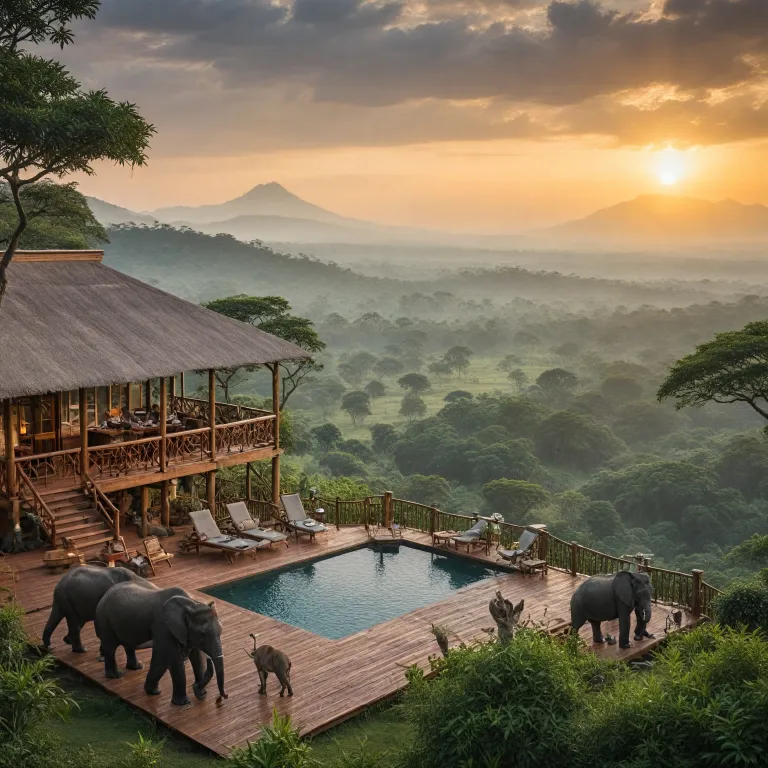
How the best time to visit Uganda shapes luxury travel
Choosing the best time to visit Uganda is the single decision that most shapes a luxury itinerary. For high end travelers, the time you visit determines not only wildlife encounters but also the calibre of lodges, service, and overall comfort. Uganda sits close to the equator in Africa, so temperatures stay relatively stable through the year, yet rainfall patterns and park conditions change dramatically between dry season and rainy season.
For many visitors, the best time is linked to gorilla trekking in Bwindi Impenetrable National Park or Mgahinga, where trail conditions and visibility vary with each time of year. Dry seasons from December to February and June to September usually bring firmer paths, clearer views, and easier logistics for both gorilla trekking and classic savaris in the savannah parks. These same dry seasons are also when national parks such as Queen Elizabeth, Murchison Falls, and Kidepo Valley offer particularly good wildlife viewing, because animals cluster around shrinking water sources.
However, the best time to visit Uganda is not identical for every traveler, and luxury guests often balance comfort, exclusivity, and value. Some prefer quieter times year round, accepting a wetter season in exchange for more personalised service and lower lodge rates. Others want the most reliable conditions for gorilla chimpanzee encounters, choosing peak dry seasons even if that means higher prices and booking premium rooms and permits many months ahead.
Dry seasons, wet seasons, and what they mean for premium safaris
Understanding Uganda’s dry seasons and wet seasons is essential when planning a premium stay in national parks. The main dry season typically runs from December to February, with another dry season from June to September, and these windows are widely considered the best time for game drives and gorilla trekking. During these dry seasons, road conditions improve, trails in the parks reserves are less slippery, and wildlife congregates around rivers and waterholes, making each safari drive more rewarding.
In contrast, the rainy season from March to May and again around October and November brings heavier showers and lush green landscapes. This wet season can be a good time to visit Uganda for photographers who love dramatic skies and rich colours, although trekking conditions in each national park become muddier and more demanding. Luxury lodges respond to these changing conditions with flexible services, such as private vehicles, more attentive guiding, and tailored schedules that work around the most intense rainfall times year after year.
For many guests, the best time to visit Uganda aligns with the driest months, yet the rainy seasons offer compelling advantages. Lodge rates often drop, availability of top suites improves, and there is more space on vehicles and boats for exclusive experiences in parks such as Queen Elizabeth or Murchison Falls. When you choose your time visit carefully, even a wet season stay can feel like a private retreat, with attentive staff and fewer vehicles at key wildlife sightings across the national parks.
Gorilla trekking seasons and timing your luxury permits
For many travelers, the best time to visit Uganda is defined by gorilla trekking in Bwindi or Mgahinga. Gorilla trekking is possible at any time year, but the dry seasons from June to September and December to February usually offer the most comfortable trail conditions. During these dry seasons, paths are less slippery, undergrowth is slightly thinner, and the overall trekking experience feels more manageable, especially for guests staying in luxury lodges perched on steep hillsides.
However, the rainy season can still be a good time for gorilla trekking, particularly for those seeking quieter forests and more flexible permit availability. In the wet season, the forest is at its most atmospheric, with misty mornings and deep green foliage, and gorilla families often stay slightly lower on the slopes because food is abundant. This means that while trails are muddier, trekking times year round can sometimes be shorter than expected, especially when guided by experienced rangers from the Uganda Wildlife Authority.
Because demand is high, especially in the best time windows, luxury travelers should secure gorilla permits four to twelve months in advance. Typical gorilla permit price (foreign non-residents) is 800 USD, and this cost is the same whether you trek in dry season or rainy season. Can I trek gorillas in Uganda any time of year? Yes. Gorilla trekking is possible year-round, but conditions vary: dry seasons (June-Sep, Dec-Feb) have firmer trails and easier access; wet seasons (Mar-May, Oct-Nov) are lush and quieter but muddier and with more afternoon rain.
National parks, wildlife conditions, and choosing your ideal month
Beyond gorillas, the best time to visit Uganda also depends on which national parks you prioritise for wildlife safaris. In Murchison Falls National Park, the dry seasons are particularly good for boat cruises to the base of the falls and for game drives on the northern banks, where wildlife gathers along the Nile. In Queen Elizabeth National Park, the same dry seasons reveal large herds on the Kasenyi plains and excellent predator sightings, while the wet season brings lush channels along the Kazinga, ideal for birdlife.
Kidepo Valley National Park, remote and wild in the northeast, rewards those who plan their time year with care, because road access can be more challenging in the wet season. During the long dry seasons, conditions in this park are superb for extended safaris, with clear views across the valley and reliable wildlife concentrations near permanent water. Luxury lodges in these parks reserves often adjust their activity schedules to the prevailing conditions, offering early morning drives in hotter months and more leisurely boat trips when temperatures are milder.
Across Uganda, temperatures remain relatively stable, yet humidity and rainfall shift between dry and rainy seasons. Travelers who are sensitive to heat may find the shoulder periods around January February and late June particularly comfortable, with warm days and cooler evenings. When you align your time visit with your tolerance for heat, your interest in specific wildlife, and your preferred level of exclusivity, Uganda best reveals its character through carefully curated national parks and thoughtfully timed safaris.
Balancing crowds, costs, and comfort in luxury hotel bookings
For premium travelers, the best time to visit Uganda is not only about weather and wildlife but also about crowds and pricing. Peak periods in the dry seasons, especially around July and August and again near January February, bring higher demand for top suites and private villas in luxury lodges. During these times year after year, the most sought after properties near Bwindi, Queen Elizabeth, and Murchison Falls can sell out months ahead, particularly when combined with gorilla chimpanzee itineraries.
In contrast, the rainy season often offers excellent value for money, with lower nightly rates and attractive long stay offers. This wet season can be a good time for guests who prioritise space, quiet, and personalised service over guaranteed sunshine, because staff have more time to tailor each safari. Weather unpredictability is increasing, so even in classic dry seasons you may encounter occasional showers, making flexible planning and good waterproof gear essential.
When planning a luxury stay, consider how your chosen time visit affects logistics such as internal flights, road transfers, and gorilla trekking permits. High end operators and the Uganda Wildlife Authority coordinate closely to match permit dates with lodge availability, especially in the best time windows. For deeper insight into how chefs and hospitality teams adapt menus and service to different seasons, you can read this guide to exclusive culinary experiences at Uganda luxury hotel chef insights, which complements your planning for both dry seasons and rainy seasons.
Practical climate tips for premium comfort and safe trekking
Even in the best time to visit Uganda, preparation for variable conditions is essential, especially for high end safaris and gorilla trekking. Uganda’s equatorial position keeps daytime temperatures pleasantly warm, yet altitude in gorilla parks and some national parks can make evenings surprisingly cool. Luxury lodges usually provide hot water bottles, thick duvets, and sometimes fireplaces, but packing layers ensures you stay comfortable during early morning game drives and late night dinners.
During the dry season, dust on park tracks can be significant, particularly in Murchison Falls and Kidepo Valley, so light scarves and protective eyewear are useful. In the rainy season, trails in Bwindi and Mgahinga become muddy, making sturdy waterproof boots and gaiters essential for safe gorilla trekking. Travel light but include a compact waterproof jacket, quick drying clothing, and a small daypack, because conditions can shift quickly between sunshine and showers at any time year.
Wildlife conditions also respond to these seasonal shifts, influencing how you plan your time visit and daily schedule. In the hottest dry seasons, animals in parks reserves often rest in shade at midday, so early morning and late afternoon drives are most productive. During wetter months, cloud cover can keep temperatures lower, allowing for slightly longer activities, yet guides will still adjust timings to avoid the heaviest downpours and keep your Uganda best experiences both safe and comfortable.
Designing a personalised seasonal guide to Uganda’s luxury stays
To make the most of the best time to visit Uganda, think of your itinerary as a personalised seasonal guide. Start by deciding whether your priority is gorilla trekking, classic savaris in national parks, or a balanced combination of both experiences. If gorilla trekking is central, align your time year with your fitness level and tolerance for mud, choosing dry seasons for easier trails or rainy seasons for quieter forests and potentially shorter trekking distances.
Next, map your preferred parks, such as Queen Elizabeth, Murchison Falls, and Kidepo Valley, against their typical wildlife conditions in each season. Dry seasons usually deliver the most predictable game viewing, yet shoulder periods around January February and late June can offer a good compromise between crowds, temperatures, and availability. Luxury travelers often work with specialist tour operators who understand how times year influence not only wildlife but also flight schedules, road conditions, and the character of each lodge.
Finally, consider how your chosen time visit affects the rhythm of your days, from sunrise coffee on the deck to nightcaps under the stars. Some guests love the intensity of peak dry seasons, when every national park feels alive with activity, while others prefer the reflective atmosphere of the wet season. When you align your expectations with Uganda’s natural cycles of dry season and rainy season, you create a journey that feels both seamless and deeply attuned to the country’s wildlife, landscapes, and refined hospitality.
Key statistics about the best time to visit Uganda
- Typical gorilla permit price for foreign non residents is around 800 USD per trek, regardless of season.
- Dry seasons generally span December to February and June to September, offering the most reliable trail and road conditions.
- Rainy seasons from March to May and October to November often bring lower lodge rates and better availability in luxury properties.
- Peak demand for gorilla trekking permits and premium suites occurs in July and August and again around December and January.
Questions travelers often ask about the best time to visit Uganda
Can I trek gorillas in Uganda any time of year ?
Yes, you can trek gorillas throughout the year, although conditions vary between dry and rainy seasons. Dry seasons from June to September and December to February usually offer firmer trails, easier access, and more predictable logistics. Rainy seasons from March to May and October to November bring muddier paths but quieter forests, richer vegetation, and often more flexible permit and lodge availability.
What is the most affordable time to visit Uganda for gorilla trekking ?
The most affordable periods are typically during the rainy seasons, when overall travel demand is lower. From March to May and October to November, many lodges reduce rates, and there is usually better availability of both gorilla permits and high end rooms. While you must be prepared for wetter conditions, these months can offer excellent value for luxury travelers who prioritise space, tranquillity, and attentive service.
When is wildlife most visible in Uganda’s national parks besides gorillas ?
Wildlife visibility in savannah parks such as Queen Elizabeth, Murchison Falls, and Kidepo Valley is generally highest in the dry seasons. From June to August and December to February, vegetation is thinner and animals gather around remaining water sources, making them easier to observe on game drives and boat cruises. These months are often considered the best time to visit Uganda for classic safaris, especially for guests staying in premium lodges that overlook key rivers, plains, and wetlands.